New Municipal Sustainable Packaging Rules Impact Foodservice Operators
Cities across North America and Europe enforce ban on single-use PFAS containers, forcing takeout packaging compliance by end of 2026.


Municipal and state regulations restricting single-use plastics and PFAS packaging are forcing foodservice operators to adopt certified compostable and recyclable packaging solutions.
1. What Happened: Escalating Municipal Packaging Mandates
Local and state regulatory bodies across major metropolitan markets have enacted strict mandates restricting traditional expanded polystyrene (Styrofoam), single-use plastic containers, plastic cutlery, and PFAS-coated paper packaging in commercial foodservice. Restaurants, QSR chains, and catering operations face defined compliance timelines to transition all takeout and delivery packaging to certified compostable or curbside-recyclable materials.
2. Why It Matters for Restaurant Supply Chain Costs
Packaging compliance represents a significant operational cost shift for restaurant operators. Molded sugarcane fiber (bagasse), molded bamboo, and PLA bioplastic containers carry a 20% to 45% cost premium over legacy petroleum-based plastic packaging. To protect operating margins, operators are re-evaluating packaging architecture, negotiating volume supplier contracts, and introducing modest eco-packaging surcharges on delivery orders.
3. Industry Context & Regulatory Timelines
Key regulatory mandates impacting commercial foodservice operators include:
- PFAS Chemical Bans: Legislation prohibiting grease-resistant paper wraps and bowls containing per- and polyfluoroalkyl substances (PFAS).
- Single-Use Plastic Phasedowns: Municipal bans on plastic straws, black plastic takeout containers, and polystyrene foam cups.
- Mandatory Accessories-Upon-Request: Ordinances requiring cutlery, napkins, and condiment packets to be provided only when requested by takeout guests.
- Extended Producer Responsibility (EPR): Laws requiring large food service brand operators to contribute to municipal recycling infrastructure funding.
4. Impact on Takeout Food Quality & Temperature Integrity
Transitioning to sustainable packaging requires careful culinary testing. Molded fiber containers must feature adequate grease barriers and ventilation to prevent fried foods from becoming soggy during 30-minute delivery transits. Operators are testing bioplastic lids, sugarcane bowls, and vented paperboard boxes to balance thermal insulation with moisture release.
Testing Grease Barriers & Venting Design for Off-Premise Delivery
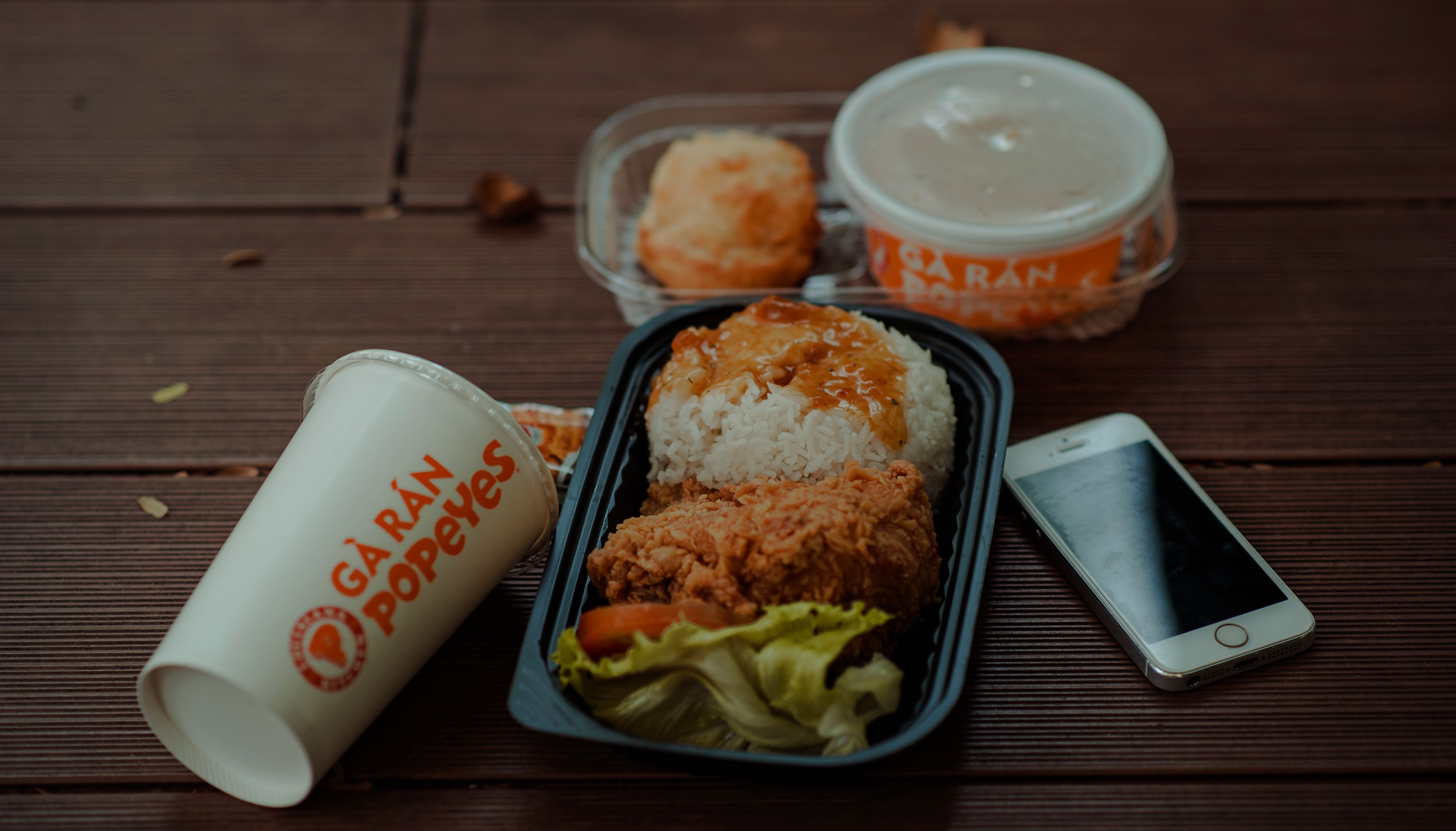
Culinary R&D teams evaluate compostable containers using standardized 30-minute delivery simulation tests. Placing hot, crispy items (such as fried chicken, french fries, and loaded flatbreads) in bio-wax-coated sugarcane containers allows chefs to evaluate moisture buildup, oil absorption, and lid seal security under real delivery conditions. Containers that pass thermal and grease barrier tests prevent customer complaints while maintaining regulatory compliance.
Staff Training on Eco-Packaging Rules & Storage Management
Kitchen staff training is essential to managing eco-packaging costs effectively. Line cooks must be trained to select correct bowl sizes to avoid using oversized containers. Furthermore, storing bioplastic (PLA) lids in cool, dry storage areas prevents heat warping prior to line use, ensuring lid-to-bowl snap fits remain secure during busy packaging shifts.
5. Impact on Consumer Brand Perception & Trust
Consumer survey data reveals that over 70% of diners view eco-friendly packaging as an indicator of restaurant quality. Providing sturdy, eco-certified takeout packaging reinforces corporate sustainability commitments and protects customer satisfaction scores across digital delivery platforms.
6. Supply Chain Availability & Wholesale Sourcing
Surging demand for compostable packaging has occasionally created regional supply shortages for specific lid and bowl sizes. Multi-unit operators are establishing dual-sourcing agreements with packaging manufacturers to ensure uninterrupted supply across regional store networks.
7. Operational Solutions: Accessories-Upon-Request Protocols
Implementing 'Cutlery Upon Request' defaults on online ordering platforms significantly reduces plastic utensil usage, allowing operators to offset higher per-unit container costs through overall packaging volume reduction.
8. Municipal Compliance Audits & Non-Compliance Penalties
Health inspectors and municipal code enforcement officers are actively auditing restaurant takeout packaging, issuing progressive fines for non-compliant single-use plastics.
9. What Happens Next in Eco-Packaging Innovation
Packaging experts expect rapid growth in seaweed-derived water-resistant coatings, mushroom-based thermal insulations, and reusable container deposit return systems across urban dining districts.
Evaluating Bio-Resin Liners & Moisture Control Architecture
Transitioning away from PFAS chemicals requires testing innovative bio-resin coatings made from cornstarch (PLA) or aqueous plant wax. Commercial packaging engineers test these bio-coatings to ensure they withstand hot liquid temperatures and heavy oils without softening or leaking during extended delivery journeys. Choosing high-performance bio-coated containers ensures regulatory compliance while maintaining food presentation standards.
Navigating Regional Packaging Compliance Deadlines
Restaurant operators operating across multiple municipal jurisdictions face varying packaging ban timelines and compliance criteria. Establishing centralized purchasing protocols ensures all regional store locations order certified compostable, PFAS-free containers that meet local environmental regulations, protecting operators from municipal fines and public audit citations.
10. Related FoodColumn Coverage
Review product launch news in Food & Beverage Brands Announce Major Product Launches, explore drive-thru trends in Drive-Thru Only Restaurant Prototypes, check menu trends in Food Trends Shaping 2026, and view tech guide resources in The Essential Restaurant Technology Guide.
Frequently Asked Questions
What packaging materials are restricted under new foodservice regulations?
Regulations ban expanded polystyrene (Styrofoam), single-use plastic bags, black plastic takeout containers, and paper wraps containing PFAS chemicals.
How much more expensive is compostable packaging compared to plastic?
Certified compostable molded sugarcane and bioplastic containers generally cost 20% to 45% more than legacy petroleum plastic packaging.
What does PFAS-free packaging mean?
It means paper wraps and bowls are coated with natural plant waxes or bio-resins rather than synthetic fluorinated chemicals to resist oil and grease.
How can restaurants offset higher eco-packaging costs?
Operators offset costs by enabling 'Cutlery Upon Request' defaults on delivery apps, optimizing box sizes, and adding small eco-packaging surcharges.
How do sugarcane containers perform during delivery?
Molded sugarcane bagasse offers excellent thermal insulation and breathability, keeping hot foods warm while allowing steam to escape so breading stays crisp.