Food & Beverage Brands Announce Major 2026 Product Launches
CPG manufacturers and foodservice suppliers introduce high-protein snacks, regional hot sauces, and shelf-stable functional drinks.


Leading food and beverage manufacturers are introducing innovative product lines tailored specifically for commercial foodservice integration and retail distribution.
1. What Happened: Wave of Product Innovation
Major consumer packaged goods (CPG) food manufacturers and specialty ingredient suppliers have launched major product lines targeting both retail shelves and commercial restaurant supply chains. Recent product reveals emphasize clean-label formulations, functional health benefits, global flavor accents, and labor-saving speed-scratch prep solutions for commercial kitchens.
2. Why It Matters for Commercial Foodservice
Commercial kitchen labor shortages have increased restaurant operator reliance on high-quality speed-scratch ingredients. Pre-marinated global protein cuts, shelf-stable concentrated sauces, and pre-portioned plant-forward bases allow restaurant kitchens to deliver artisan-level menu items without expanding back-of-house prep hours. High-quality manufactured inputs bridge the gap between kitchen labor constraints and consumer expectations for gourmet quality.
3. Industry Context & Key Innovation Pillars
Current food and beverage product development focuses on four central pillars:
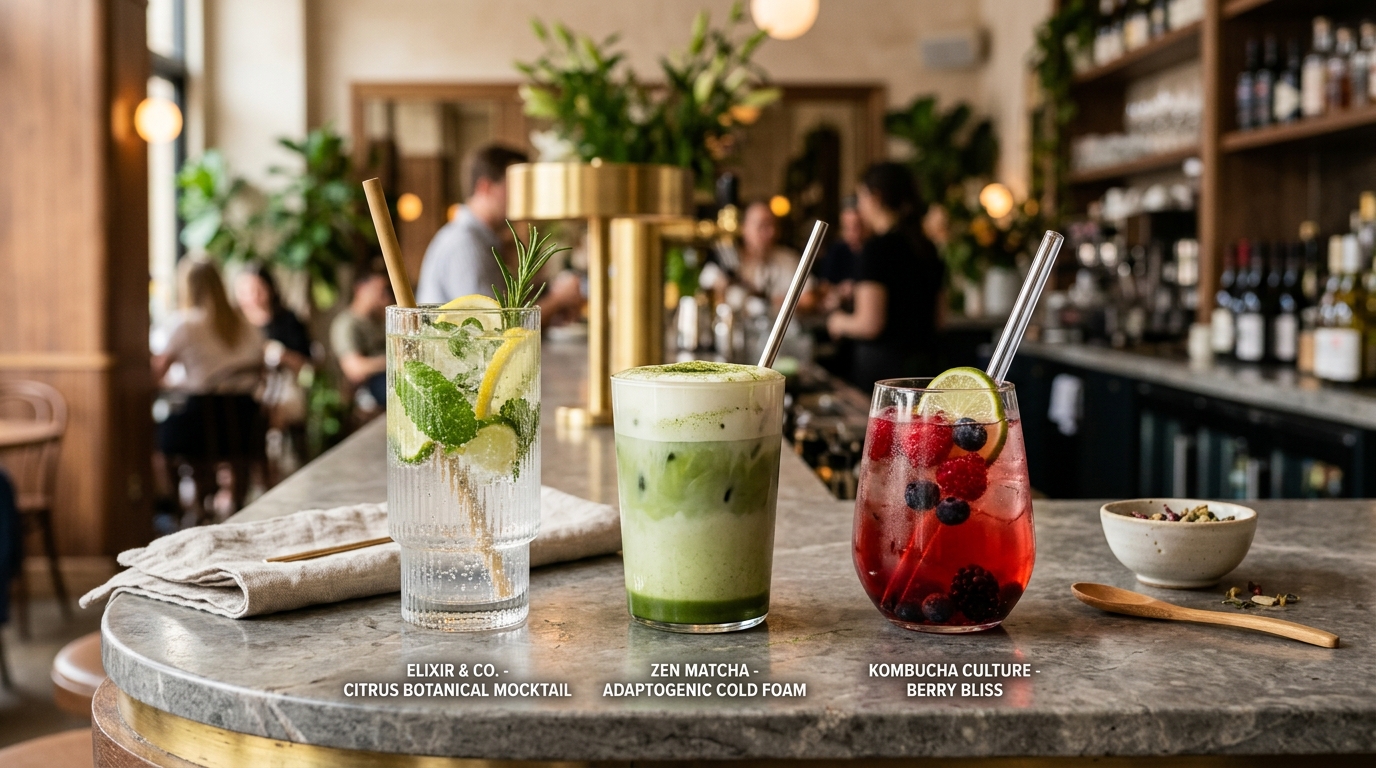
- Functional Health Fortification: Beverages and snacks enriched with adaptogens, prebiotics, and plant proteins.
- Global Sauce & Seasoning Pastes: Authentic yuzu, harissa, gochujang, and suya spice bases ready for commercial kitchen line use.
- Clean-Label Simplification: Reformulated products featuring zero artificial preservatives, clean seed oils, and transparent sourcing.
- Sustainable Eco-Packaging: Compostable, recyclable, and lightweight packaging formats designed to meet municipal environmental mandates.
4. Impact on Restaurant Operators & Menu Planning
For restaurant culinary teams, adopting newly launched commercial ingredients enables rapid menu innovation with minimal prep risk. Purchasing pre-blended global sauces or ready-to-use functional beverage syrups allows operators to launch limited-time offer (LTO) specials quickly, testing consumer appetite before committing to long-term supplier volume contracts.
5. Impact on Consumer Retail & Dining Choice
As new food products launch simultaneously across retail grocery stores and restaurant menus, consumer familiarity with specialty ingredients grows rapidly. Diners who try global chili pastes or prebiotic sodas at fast-casual restaurants actively seek out corresponding products on grocery shelves, creating a mutually reinforcing food innovation ecosystem.
6. Supply Chain Logistics & Distributor Adoption
Foodservice distributors play a critical role in bringing newly launched products to independent and chain restaurant kitchens. Manufacturers are offering distributor incentive programs and operator sampling kits to accelerate wholesale adoption across regional market territories.
Wholesale Trade Shows & Culinary Sampling Acceleration
Industry trade shows and culinary broker showcases serve as primary launching grounds for new commercial ingredients. Manufacturers set up live cooking stations where restaurant operators sample speed-scratch sauce applications firsthand. Experiencing ingredient performance in real-time culinary demonstrations accelerates operator purchase orders and shortens new product market adoption timelines.
Private-Label vs. Branded Product Launches
Distributor private-label lines are competing aggressively with national CPG brands. Broadline food distributors are launching high-quality private-label lines of organic oils, ancient grain blends, and specialty sauces priced 10% to 15% below national branded equivalents, offering restaurant operators cost-effective alternatives for kitchen staples.
7. Co-Branding & Cross-Promotional Marketing Opportunities
Co-branded menu partnerships between established CPG food brands and restaurant chains are surging. Featuring recognized brand names on digital menu boards (e.g., 'Made with Hot Honey Brand Sauce') increases customer order trust and justifies premium price positioning.
8. Regulatory & Nutritional Disclosure Trends
New product launches adhere strictly to evolving nutritional labeling standards, highlighting sodium reduction, non-GMO certification, and allergen transparency to satisfy heightened consumer scrutiny.
9. What Happens Next in Product Innovation
Expect upcoming food product releases to focus heavily on upcycled ingredient utilization, zero-sugar natural sweeteners, and precision-fermented dairy alternatives.
Commercial Ingredient Sampling & Test Kitchen Collaborations
Food manufacturers are increasingly partnering with multi-unit restaurant chains to conduct live test-kitchen product trials. Culinary development teams test new speed-scratch global sauces, pre-marinated proteins, and plant-based bases across select store locations. Gathering direct customer purchasing data and line cook feedback enables manufacturers to refine product formulations prior to launching national wholesale distribution campaigns.
Distributor Sampling Programs & Operator Trial Campaigns
To drive fast commercial adoption of newly launched products, food manufacturers partner with major broadline distributors to provide free operator sample kits. Commercial chefs test new speed-scratch sauces and pre-portioned protein bases directly in their own kitchen lines, evaluating taste performance, prep labor savings, and food cost benefits before placing recurring wholesale volume orders.
10. Related FoodColumn Content
Explore flavor trends in Global Flavors on Restaurant Menus, examine trend analysis in Functional Beverages & Wellness Drinks, review packaging news in New Sustainable Packaging Rules Impact Foodservice, and check research in Food Trends 2026 Research Report.
Frequently Asked Questions
What key features define top food product launches in 2026?
Clean-label formulations, functional health benefits (prebiotics, adaptogens), authentic global flavor profiles, and speed-scratch commercial prep convenience.
How do speed-scratch products help commercial restaurant kitchens?
Speed-scratch ingredients like pre-made global sauces or portioned protein bases reduce back-of-house labor hours while maintaining high culinary quality and batch consistency.
Why are co-branded menu partnerships popular in foodservice?
Featuring recognized consumer food brands on restaurant menus builds instant customer order trust and supports premium menu pricing.
How do food manufacturers test new products before full retail rollout?
Brands frequently partner with fast-casual restaurant chains to run regional LTO trials, gathering real consumer feedback before committing to mass retail production.
What role does sustainable packaging play in new product launches?
Manufacturers are transitioning to compostable, recyclable, and reduced-plastic packaging to meet municipal regulations and appeal to eco-conscious buyers.