Food Trends 2026: Macro Shifts Shaping Consumer Dining & Menus
An editorial overview of macro economic, cultural, and technological forces reshaping consumer food preferences, menu engineering, and restaurant operations in 2026.

The foodservice landscape in 2026 is defined by a convergence of heightened consumer expectations around value, a deliberate shift toward functional nutrient density, and accelerated back-of-house technology adoption. Rather than reflecting fleeting internet novelties, current dining behavior points to foundational structural changes in how food is produced, menu engineered, and consumed.
1. The Satiety & Protein-First Consumer Shift
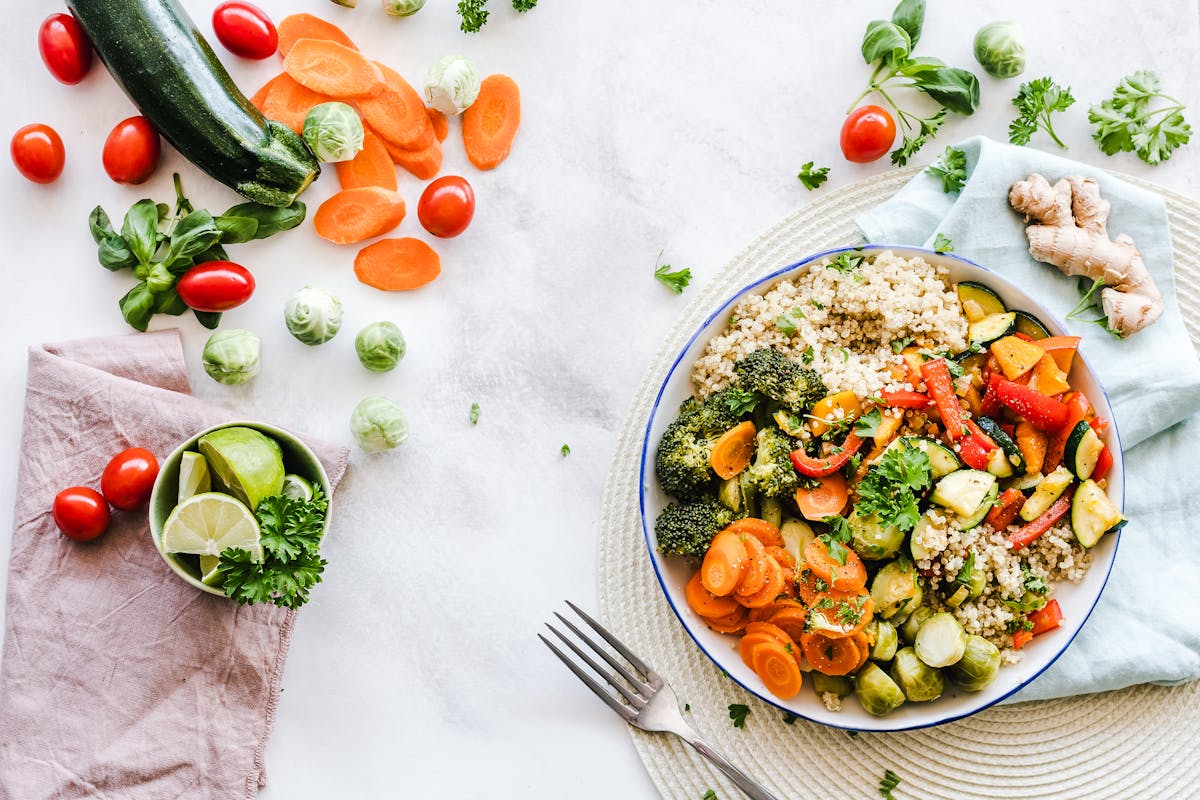
Across both retail grocery aisles and foodservice dining rooms, health-conscious consumers are prioritizing nutrient-dense, protein-forward meal solutions. According to findings from the IFIC Food & Health Survey, protein remains the most sought-after macro-nutrient among wellness-oriented consumers. Diners actively seek out dishes built around lean poultry, wild-caught seafood, legumes, and high-protein dairy bases. Restaurant operators are responding by highlighting protein gram counts on digital menus and introducing dedicated protein-centric sections, as analyzed in our deep dive on consumer demand for high-protein foods.
2. Mainstream Integration of Regional Spice & Flavor Systems
Culinary globalization has shifted from generalized fusion concepts toward highly specific regional authenticity. Ingredients that were once confined to niche specialty markets—such as Japanese yuzu kosho, North African harissa, Korean gochujang, and West African suya spice—are now established staples on national chain menus. According to foodservice industry tracking from Technomic Foodservice Industry Forecasts, diners increasingly expect complex, multi-layered flavor profiles combining heat, acidity, and umami. For a complete analysis of flavor adoption, explore our pillar guide on global flavors on restaurant menus.
3. Menu Simplification & Operational Efficiency
Persisting labor costs and wholesale commodity price fluctuations have forced restaurant operators to re-evaluate expansive menu lineups. In 2026, leading brands are embracing menu simplification and SKU rationalization—reducing total inventory items while maximizing cross-utilization across multiple dishes. Market research from Circana CREST highlights that operators who focus on core signature items while rotating seasonal Limited-Time Offers (LTOs) protect gross margins and streamline kitchen throughput. Read more in our strategic overview on restaurant menu engineering and pricing.
4. Technology-Enabled Hospitality & Smart Kitchens
Technology is no longer an optional add-on in commercial foodservice; it is integral to front-of-house guest interaction and back-of-house execution. Voice AI ordering in drive-thrus, automated self-ordering kiosks, and connected Kitchen Display Systems (KDS) are helping operators maintain fulfillment speed and order precision. Data published in the National Restaurant Association State of the Restaurant Industry Report highlights that digital integration remains a primary capital expenditure priority for restaurant executives in 2026.
Macro Trends Summary for Foodservice Leaders
Navigating 2026 requires balancing culinary innovation with operational discipline. Operators who succeed will align menu development with guest health priorities, leverage regional flavor profiles strategically, streamline back-of-house workflows, and adopt targeted technology that enhances guest satisfaction. For additional operational benchmarks, consult our Restaurant Industry Outlook 2026 Report and explore trending foods and viral menu items.
Frequently Asked Questions
What are the primary food trends shaping 2026?
Primary food trends in 2026 center on protein-focused nutrition, regional global flavor systems (such as yuzu and harissa), menu simplification for cost management, and technology-driven guest experiences.
How are rising ingredient costs influencing restaurant menus in 2026?
Restaurants are responding to wholesale cost pressures by streamlining raw ingredient SKUs, cross-utilizing ingredients across multiple dishes, and launching limited-time offers (LTOs) to protect gross margins.
Why is protein prioritization leading consumer dining choices?
Consumers actively seek satiety, active lifestyle support, and functional nutrition from everyday meals, leading both packaged food manufacturers and restaurant operators to emphasize protein content.
What role does social media play in food trend adoption?
Social media platforms accelerate culinary discovery, allowing regional street foods and viral flavor combinations to move rapidly from digital feeds to commercial restaurant menus.