 AI IN RESTAURANTS
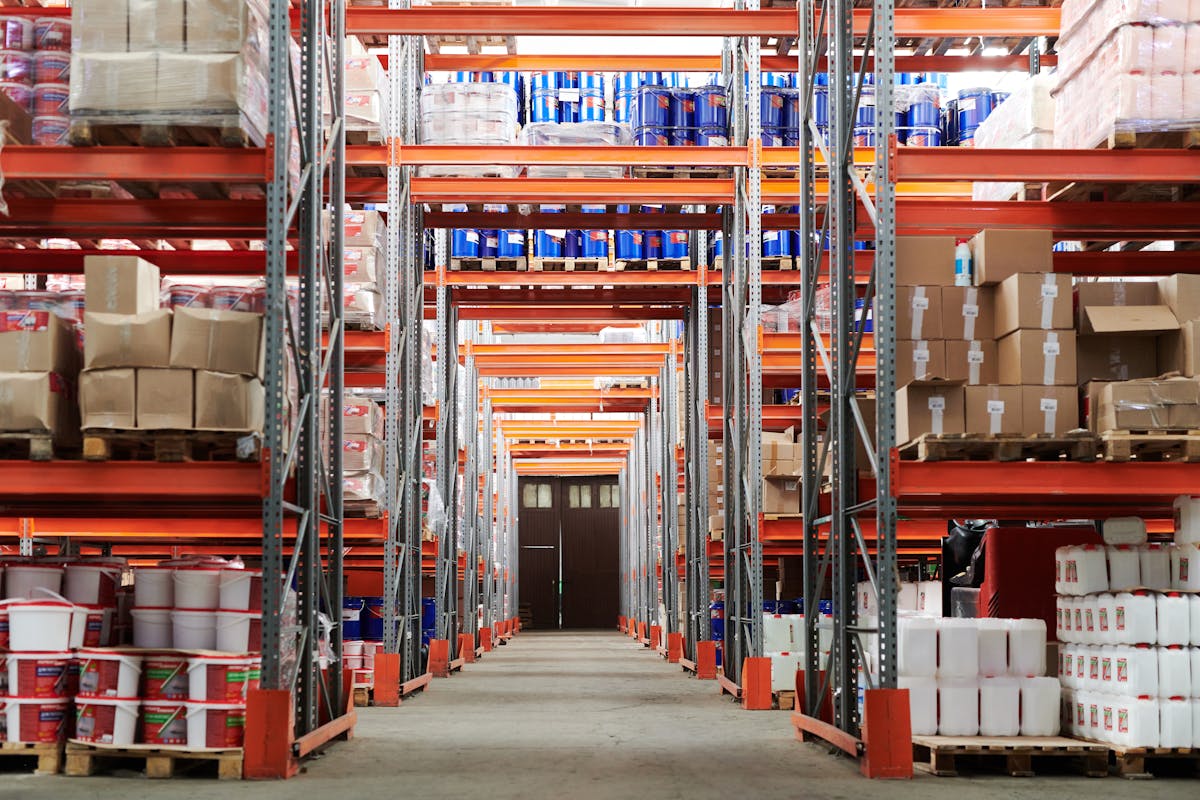
AI Demand Forecasting & Automated Restaurant Inventory
Predictive algorithms analyze sales patterns and weather to automate daily prep lists.
Discover how artificial intelligence, autonomous robotics, cloud POS platforms, kitchen display systems, self-ordering kiosks, and predictive inventory analytics are transforming commercial restaurant operations.
AI IN RESTAURANTS
Predictive algorithms analyze sales patterns and weather to automate daily prep lists.
 RESTAURANT AUTOMATION
Articulated robotic arms manage fryers and grill patties during peak hours.
 ORDERING TECH
QR-code ordering and mobile bill splitting increase server efficiency and table turns.
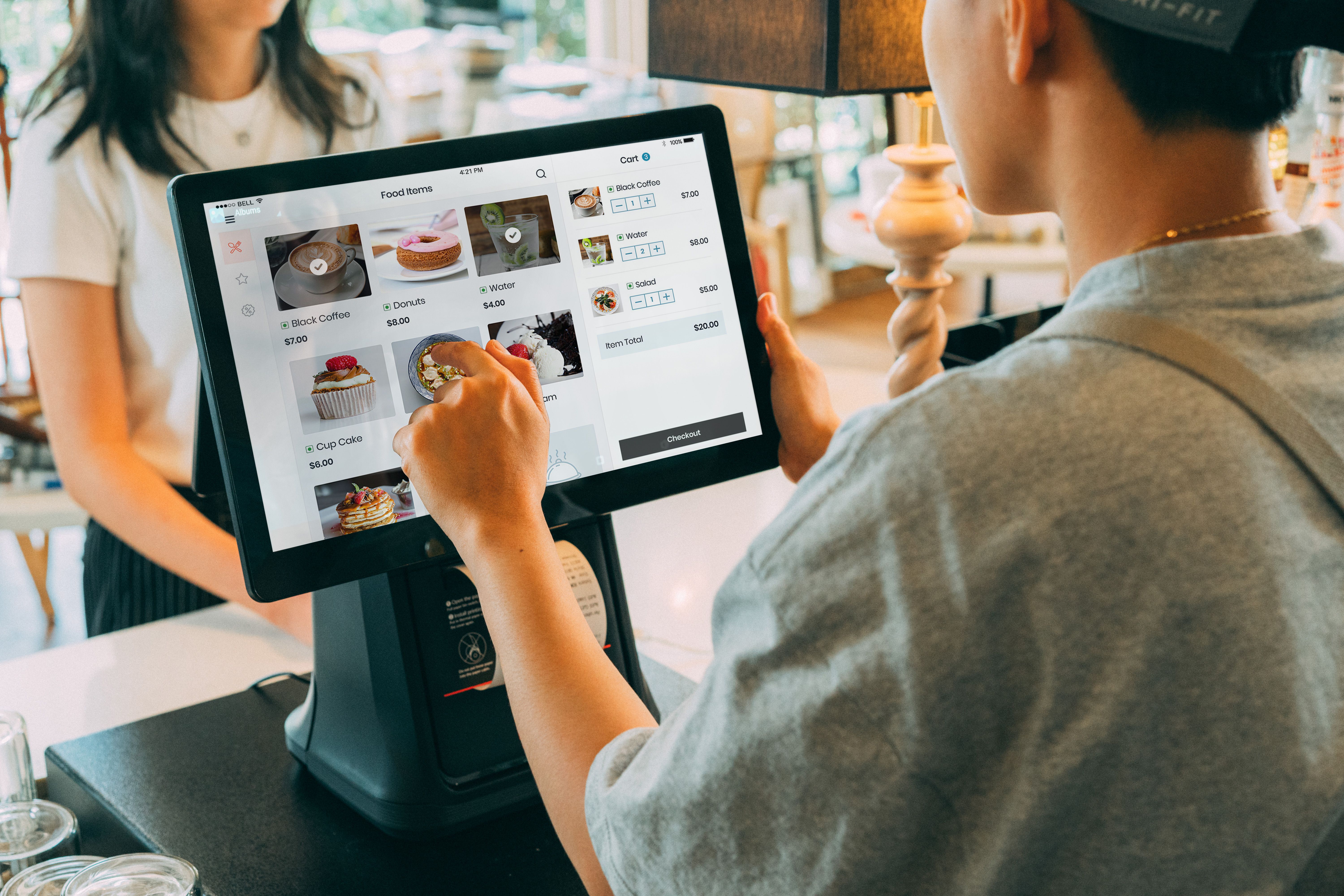 POS & PAYMENTS
Why legacy server POS hardware is giving way to cloud-native restaurant platforms.
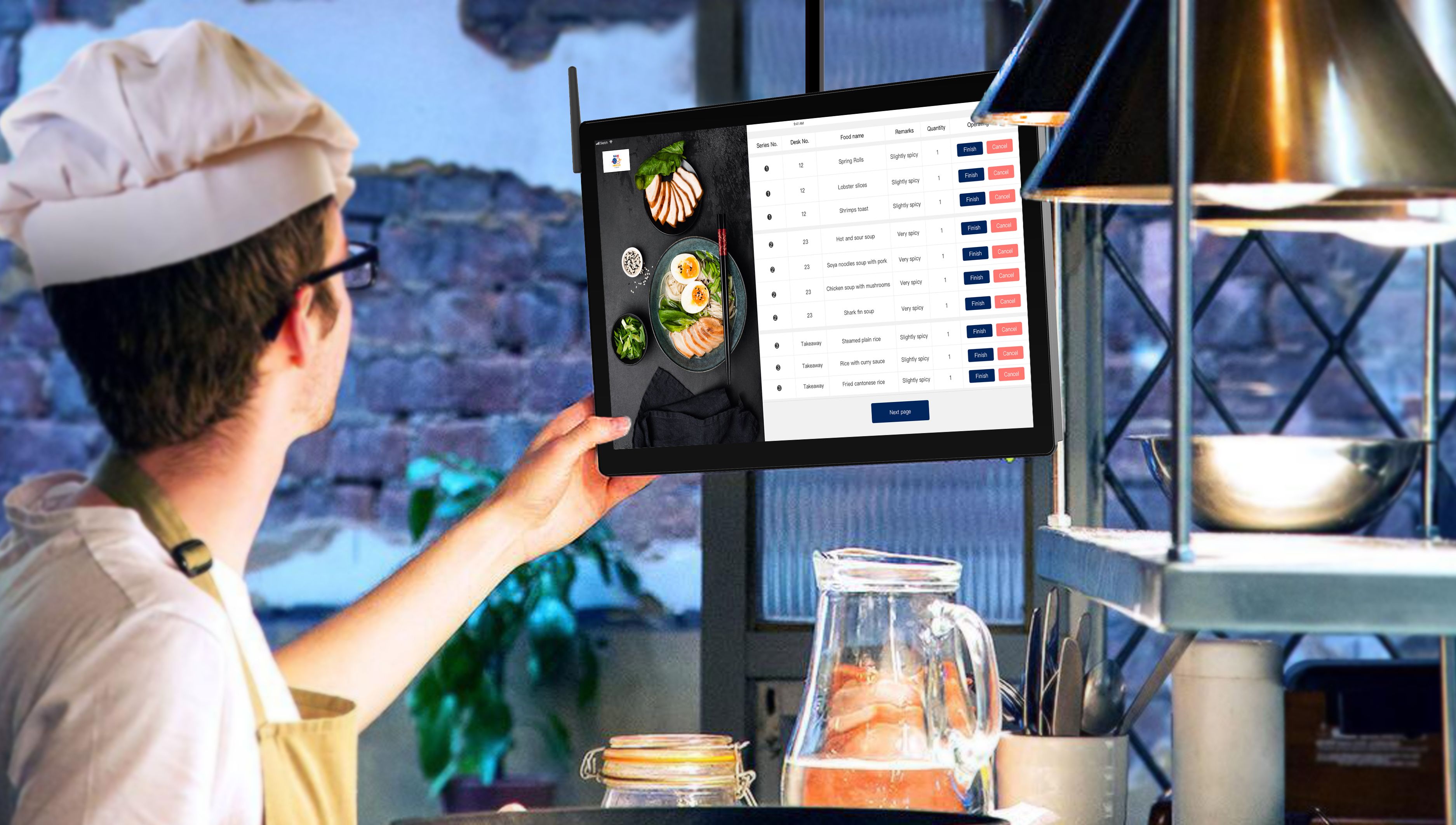 SMART KITCHENS
Digital screens replace paper tickets, routing orders by station prep time.
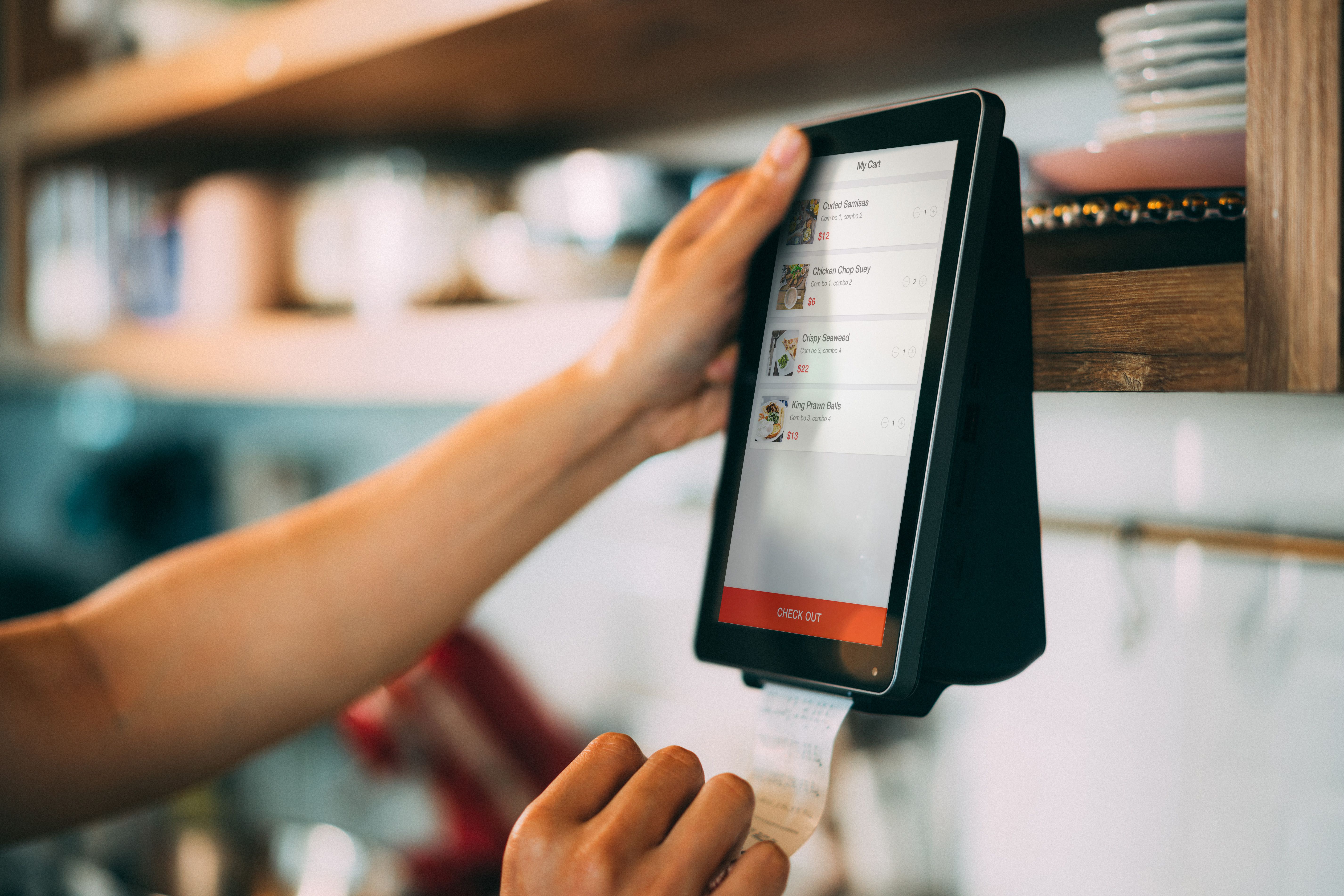 RESTAURANT KIOSKS
Self-service touchscreens increase average check size through AI upsell prompts.
SMART KITCHENS
Connected fryers and IoT temperature sensors lower utility costs and log HACCP data.
 DELIVERY TECH
Sidewalk delivery rovers navigate college campuses and urban centers for low-cost meal delivery.
 LOYALTY TECH
Tiered rewards and AI push notifications boost repeat customer visit frequency.
Evaluating POS platforms, KDS screens, automated ordering, and inventory analytics.
BENCHMARK DATAKey performance metrics and ROI timelines for restaurant hardware and software.
RESEARCHConsumer sentiment study on self-ordering kiosks, voice AI, and QR payments.
The FoodColumn Food Tech section serves as a practical resource for evaluating commercial kitchen technology, cloud point-of-sale systems, kitchen display screens (KDS), AI demand forecasting, and robotic fry stations. Our evergreen guides help operators optimize line throughput, reduce food waste, and manage labor costs through smart technology adoption.
Modern restaurant tech stacks rely on open APIs that connect cloud POS platforms directly to kitchen display screens and inventory modules. Unifying store data streams speeds up order line execution and provides managers with real-time prime cost visibility.
From automated voice AI drive-thru ordering to IoT walk-in cooler temperature monitoring and demand-controlled ventilation, smart kitchen equipment reduces energy expenses, prevents food spoilage, and optimizes line cook productivity.