Artisanal Fermentation: Kimchi, Pickled Accents & Umami Depth
Chefs utilize house-made ferments, black garlic, kombucha reductions, and pickled condiments to deliver complex umami profiles.
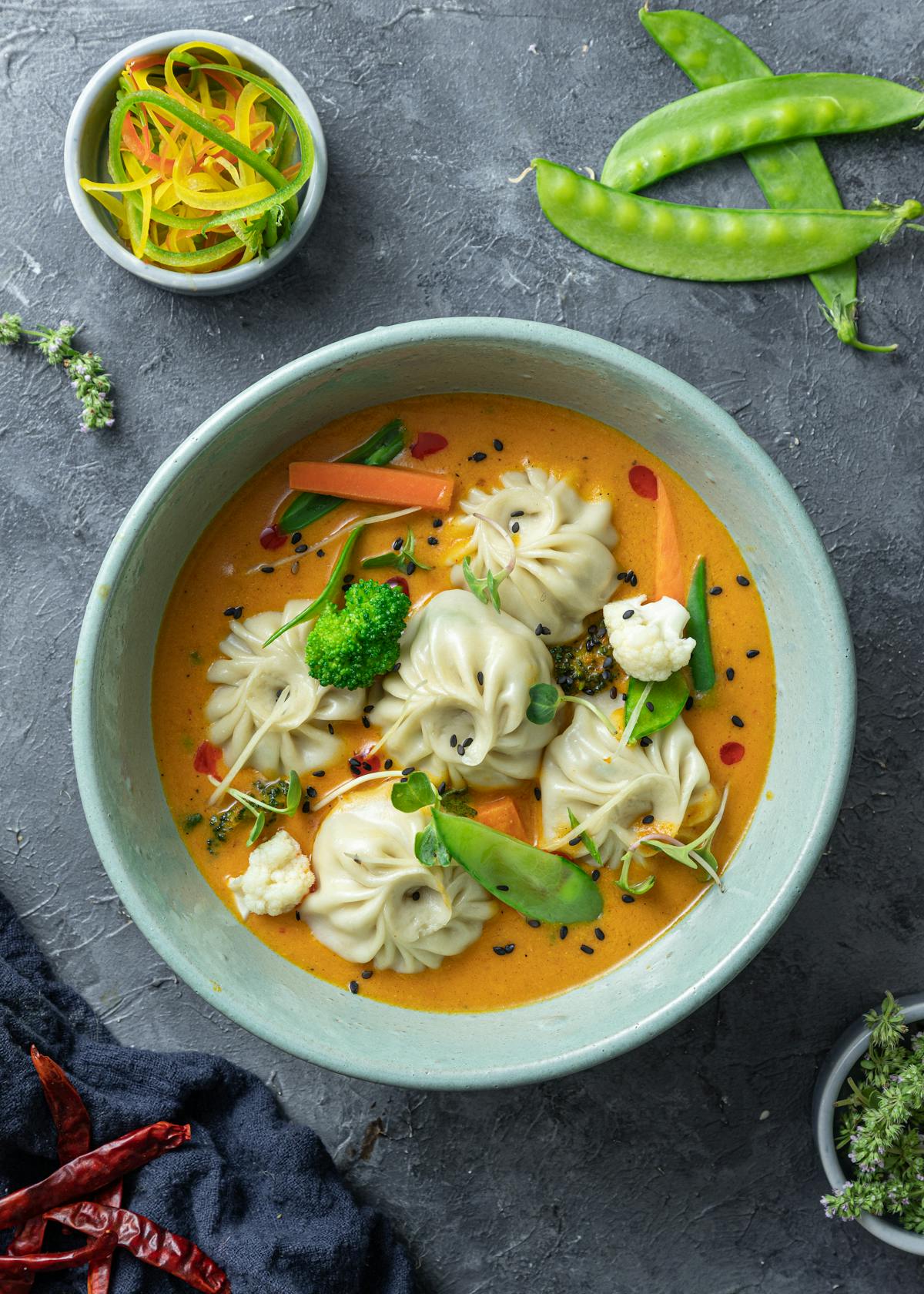
Artisanal fermentation techniques—from house-made kimchi and kojis to pickled onion accents and fermented hot sauces—are adding complex umami depth and acidity across modern restaurant menus.
1. The Rise of Fermented & Pickled Menu Accents
Fermentation is no longer restricted to traditional preservation work. Chefs across fast-casual, upscale, and casual dining segments are actively utilizing koji curing, lacto-fermentation, and quick-pickling to introduce layered savory undertones, gut-friendly probiotics, and crisp acidity to everyday dishes. This culinary movement elevates simple menu items into memorable signature offerings.
2. Why Diners Gravitate Toward Ferment Flavor Profiles
Fermentation creates naturally occurring glutamates that produce rich umami flavor without heavy fats or added sodium. Pickled garnishes and fermented condiments provide instant palate-cleansing contrast to rich meats, fried appetizers, and creamy sauces, creating a balanced and multi-dimensional eating experience that keeps guests returning.
3. Key Factors Driving Fermentation Growth
Main catalysts supporting artisanal fermentation adoption include:
- Gut Health Consciousness: Diners recognize living fermented foods support digestive microflora and overall gut health.
- Zero-Waste Kitchen Practices: Pickling vegetable stems, trims, and surplus produce extends pantry shelf life while significantly lowering kitchen food waste.
- Culinary Signature Identity: House-fermented hot sauces and lacto-pickled vegetables provide distinct brand differentiation that competitors cannot easily copy.
- Flavor Intensity & COGS: Concentrated fermented condiments require small portion sizes to deliver powerful taste impact, keeping food costs low.
4. Restaurant & Menu Application Strategies
Kitchens are using fermented accents as versatile toppings, marinades, and dipping condiments. Lacto-fermented red onions bring vibrant magenta color and sharp acidity to grain bowls, while koji-aged steaks achieve remarkable tenderness and savory complexity in a fraction of traditional dry-aging times, improving kitchen operational efficiency.
5. Popular Fermented Ingredients Across Concepts
Core fermented ingredients winning space on modern commercial menus include:
- House-Made Kimchi & Sauerkraut: Spicing up burgers, tacos, grilled cheese, and warm rice bowls.
- Koji Ferments & Miso Pastes: Elevating glazes, compound butters, marinades, and salad dressings with deep umami notes.
- Lacto-Fermented Chilies: Creating complex, tangy hot sauces superior to basic vinegary commercial condiments.
- Pickled Mustard Seeds & Onions: Providing pop-in-the-mouth texture and sharp acidity to fatty meats and charcuterie.
6. Consumer Taste Acceptance & Dining Metrics
Consumer survey data shows over 60% of diners enjoy tangy, pickled garnishes on handheld sandwiches and bowls. Featuring pickled house specialties allows operators to highlight artisan craftsmanship without incurring excessive labor costs, driving positive brand perception and higher repeat visits.
7. Operational Safety & Batch Consistency
Proper HACCP (Hazard Analysis Critical Control Point) protocols ensure fermentation safety in commercial kitchens. Standardizing pH thresholds, salt percentages, and temperature control guarantees safe, repeatable batch production across kitchen shifts.
8. Food Waste Reduction & Margin ROI
Fermentation allows kitchens to upcycle surplus produce into high-value condiments, directly improving food cost ratios and kitchen yield efficiency while supporting corporate sustainability goals.
Quality Control & Standardized Brine Metrics
Commercial kitchen fermentation relies on strict measurement precision to maintain flavor consistency across large batches. Culinary teams utilize digital refractometers and calibrated pH meters to verify that brines achieve target acidity thresholds (below 4.6 pH) prior to refrigeration. Documenting batch logs and salinity percentages ensures that house kimchi, sauerkraut, and pickled accents deliver identical crispness and flavor profile every time.
Pairing Fermentation with High-Fat Entrees
Strategic menu pairing maximizes the sensory impact of fermented garnishes. Placing vibrant lacto-pickled jalapenos or spicy kimchi alongside rich pork belly, fried chicken, or butter-heavy flatbreads cuts through heavy lipids, refreshing the palate and encouraging guests to finish their entire meal. This complementary pairing dynamic drives higher customer satisfaction scores and positive dish reviews.
9. What to Watch Next in Culinary Fermentation
Look for fermented fruit hot honey sauces, fermented black garlic glazes, and garum-style savory reductions made from mushroom trimmings over upcoming seasonal menu releases.
Kitchen Staff Sanitation & Fermentation Vessel Protocols
Maintaining rigid sanitation standards is paramount for commercial fermentation programs. Kitchens utilize dedicated food-grade fermentation crocks, glass carboys, or stainless steel tanks with one-way airlock valves to prevent wild mold contamination. Staff members receive specialized training on sanitizing prep equipment, measuring sea salt percentages accurately (typically 2% to 2.5% dry salt weight for vegetable lacto-fermentation), and maintaining consistent ambient fermentation room temperatures between 65°F and 72°F for optimal flavor development.
Fermented Condiment Menu Upselling & Side Pairings
Featuring house-fermented condiments as dedicated menu add-ons generates incremental revenue while highlighting culinary craftsmanship. Offering a 'House Lacto-Fermented Kimchi Side' for $3.00 or a 'Pickled Jalapeño & Mustard Seed Sampler' for $2.50 encourages guest flavor exploration. Front-of-house staff suggest these tangy garnishes to accompany fatty grilled meats, rich flatbreads, and fried appetizers, enhancing meal complexity and guest satisfaction.
10. Related FoodColumn Editorial
Explore global seasonings in Global Spices & Street Food Culture, examine menu innovation in Global Flavors on Restaurant Menus, compare menu dynamics in How Restaurant Menus Are Changing, and view operational research in The Essential Restaurant Technology Guide.
Frequently Asked Questions
Why are restaurants using lacto-fermentation?
Lacto-fermentation develops rich umami flavor, crisp texture, and natural probiotic acidity using simple salt and vegetable starch reactions.
Does fermentation help reduce food waste?
Yes. Pickling and fermenting surplus produce trimmings extends shelf life and transforms potential kitchen waste into premium condiments.
What is koji and how do chefs use it?
Koji is grain inoculated with Aspergillus oryzae, used to accelerate meat tenderization, make miso, and build deep savory glazes.
Are special permits required for commercial kitchen fermentation?
Most health departments require a standard HACCP plan monitoring pH levels and temperature controls for house fermentation programs.
How long do house-pickled vegetables remain fresh?
Lacto-fermented and quick-pickled vegetables remain crisp and fresh in commercial refrigeration for several weeks to months when stored properly.