Global Food Trends: Regional Flavors & Spices Changing Restaurant Menus
An industry analysis of global flavor migration, exploring how regional spices, fermented sauces, and authentic condiments move from specialized dining into mainstream restaurant menus.

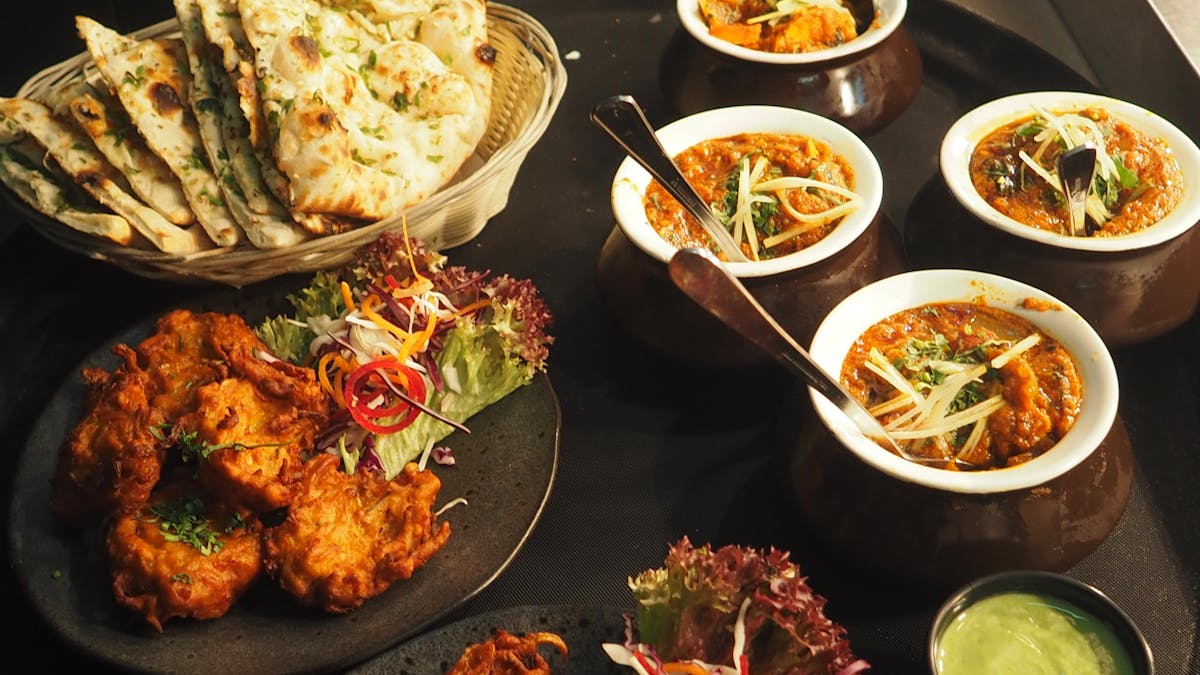
Culinary globalization in commercial foodservice has evolved from generic fusion concepts toward nuanced regional authenticity. In 2026, restaurant diners actively seek out hyper-specific ingredients, fermented condiments, and regional spice blends that deliver bold flavor, complexity, and cultural storytelling.
1. The Migration Pathway of Regional Flavors
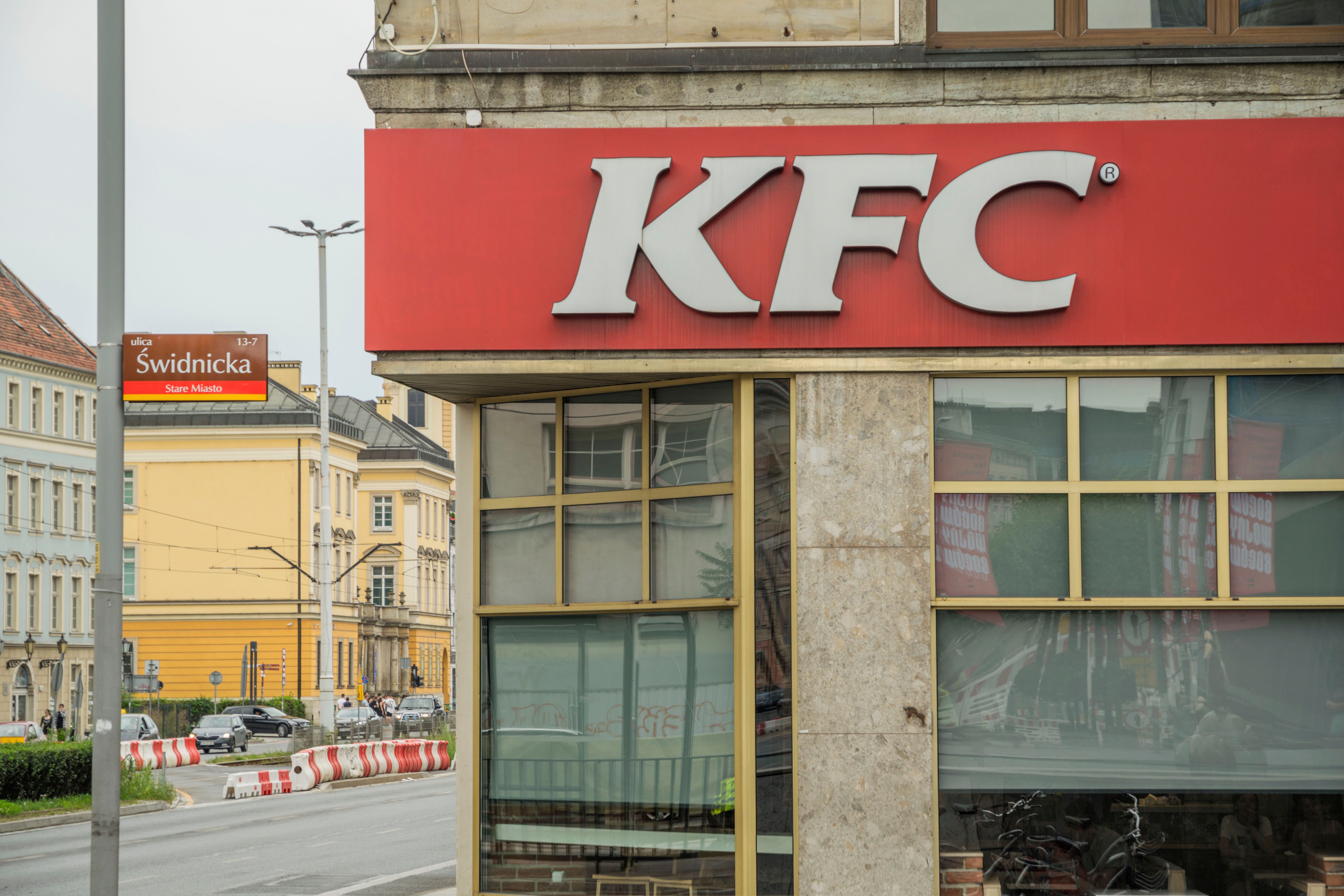
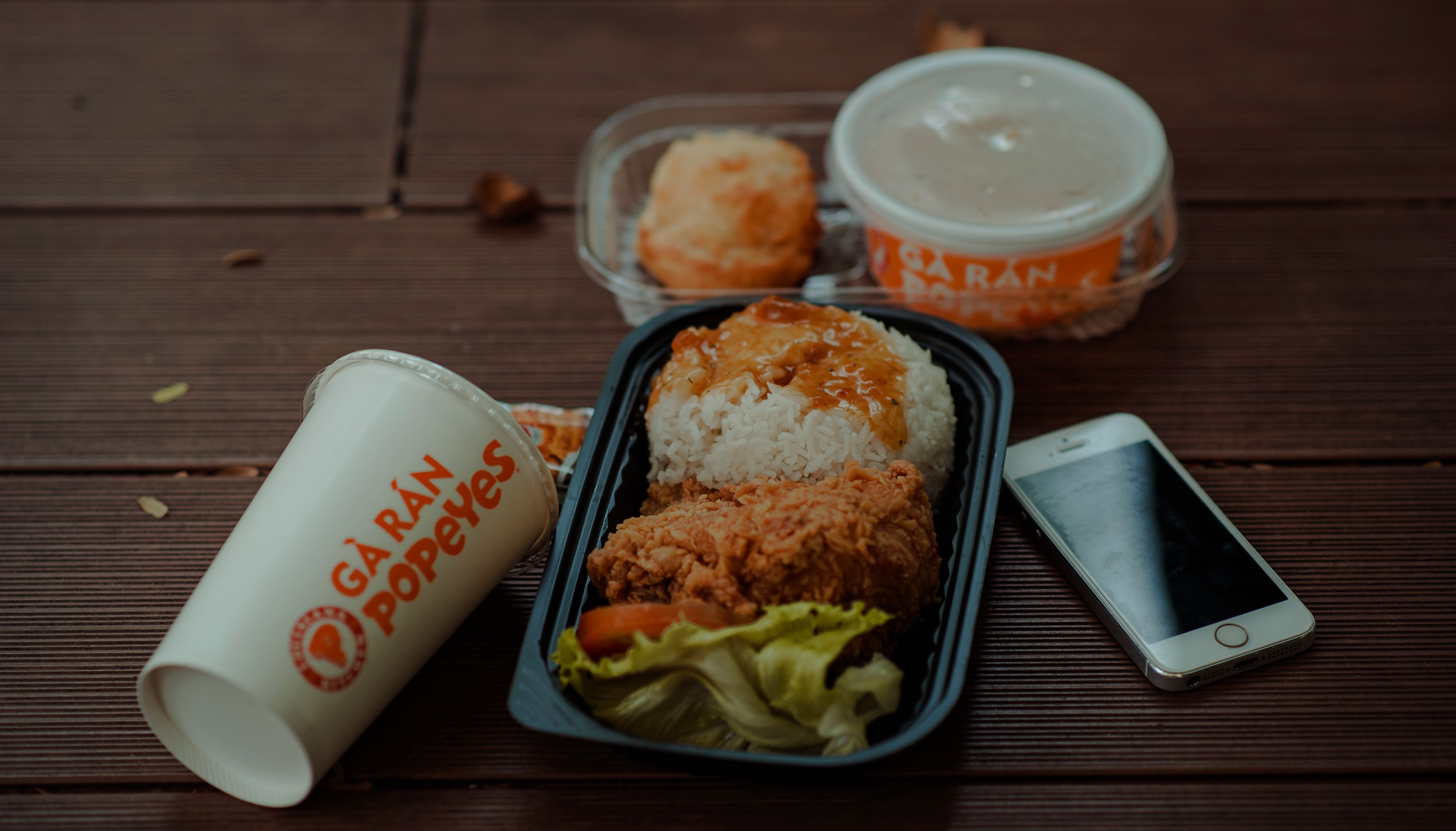
According to flavor tracking research from the Datassential Food & Flavor Database, global ingredients typically follow a predictable multi-stage adoption curve: originating in independent immigrant-owned dining spots, expanding into urban fine dining, appearing in specialty food retail, and ultimately landing on national fast-casual and QSR limited-time offer (LTO) menus. Understanding this pipeline allows culinary directors to introduce new flavor profiles at the exact moment of peak guest curiosity.
2. Core Regional Flavors Defining 2026 Menus
Five key regional flavor systems are currently experiencing rapid adoption across commercial restaurant menus:
Yuzu & Yuzu Kosho (Japan)
Yuzu, a fragrant East Asian citrus fruit offering notes of grapefruit and mandarin, adds bright acidity to seafood, dressings, and craft beverages. Its fermented condiment variation, Yuzu Kosho (pairing yuzu peel, chili peppers, and salt), adds savory citrus heat to grilled meats and ramen broths.
Harissa (North Africa)
A spicy, aromatic paste made from roasted red peppers, baklouti peppers, garlic, cumin, and coriander. Harissa has become a fast-casual staple at concepts like CAVA and Nando's, serving as a marinade for grilled chicken or blended into creamy tahini dressings.
Gochujang & Korean Chili Pastes (Korea)
This savory, sweet, and spicy fermented red chili paste provides deep umami flavor. National brands like Shake Shack have featured Gochujang Glazed Fried Chicken Sandwiches, demonstrating its broad mainstream commercial appeal.
Suya Spice Blend (West Africa)
A nutty, spicy Nigerian street food seasoning crafted from ground roasted peanuts, cayenne, ginger, paprika, and onion powder. Suya is increasingly featured on grilled skewers, roasted wings, and bowl glazes.
Chili Crisp & Crunchy Oils (China)
Infused vegetable oil packed with crispy fried garlic, shallots, Sichuan peppercorns, and chili flakes. Chili crisp offers crunch and numbing heat, cross-utilized across noodles, fried eggs, burgers, and even soft-serve ice cream.
3. Pairing Novel Flavors with Familiar Formats
As highlighted in the National Restaurant Association State of the Restaurant Industry Report, successful commercial menu engineering relies on the "flavor bridge" principle: introducing a novel regional condiment alongside a familiar, comfort-food vessel. For example, pairing harissa with buttermilk ranch on a chicken tender or layering gochujang sauce on a classic smash burger reduces ordering hesitation while delivering an upgraded taste experience.
4. Respectful Terminology & Authenticity
Modern culinary marketing avoids vague terms like "exotic spices" in favor of precise regional identification. Industry reporting from the Specialty Food Association emphasizes that highlighting specific origin stories, traditional preparation techniques, and exact ingredient names builds trust with educated diners and reinforces brand authenticity.
Strategic Summary for Culinary Directors
Incorporating regional flavors provides high culinary impact with minimal inventory complexity when sauces and rubs are cross-utilized effectively. Connect global flavor strategy with macro food trends shaping 2026, explore 15 trending foods and viral menu items, review global spices influencing dining, manage cost of goods sold for specialty ingredients, and consult our Food Trend Research Data.
Frequently Asked Questions
What are the fastest-growing global flavors on restaurant menus in 2026?
Fastest-growing regional flavors include yuzu (Japanese citrus), harissa (North African chili paste), gochujang (Korean fermented chili paste), suya (West African peanut-spice blend), and chili crisp.
How do mainstream restaurant chains introduce regional global flavors to broad audiences?
Mainstream chains introduce regional flavors by pairing them with familiar menu items, such as offering a Gochujang Glazed Chicken Sandwich or a Harissa Ranch dressing.
Why is authentic cultural terminology preferred over generic terms like "exotic"?
Modern food culture emphasizes cultural respect and specificity; naming exact regional ingredients (e.g., Yuzu Kosho or Calabrian Chili) builds credibility with educated diners.
How do global sauces affect kitchen food cost and ingredient cross-utilization?
Signature regional sauces (like chili crisp or harissa mayo) can be cross-utilized across burgers, bowls, wraps, and appetizer dipping sauces, boosting flavor without expanding raw ingredient SKUs.