How Global Spices and Street Food Culture Are Transforming Menus
Exploring the cultural roots and culinary adoption of regional Asian, African, and Latin American spice blends across modern restaurants.

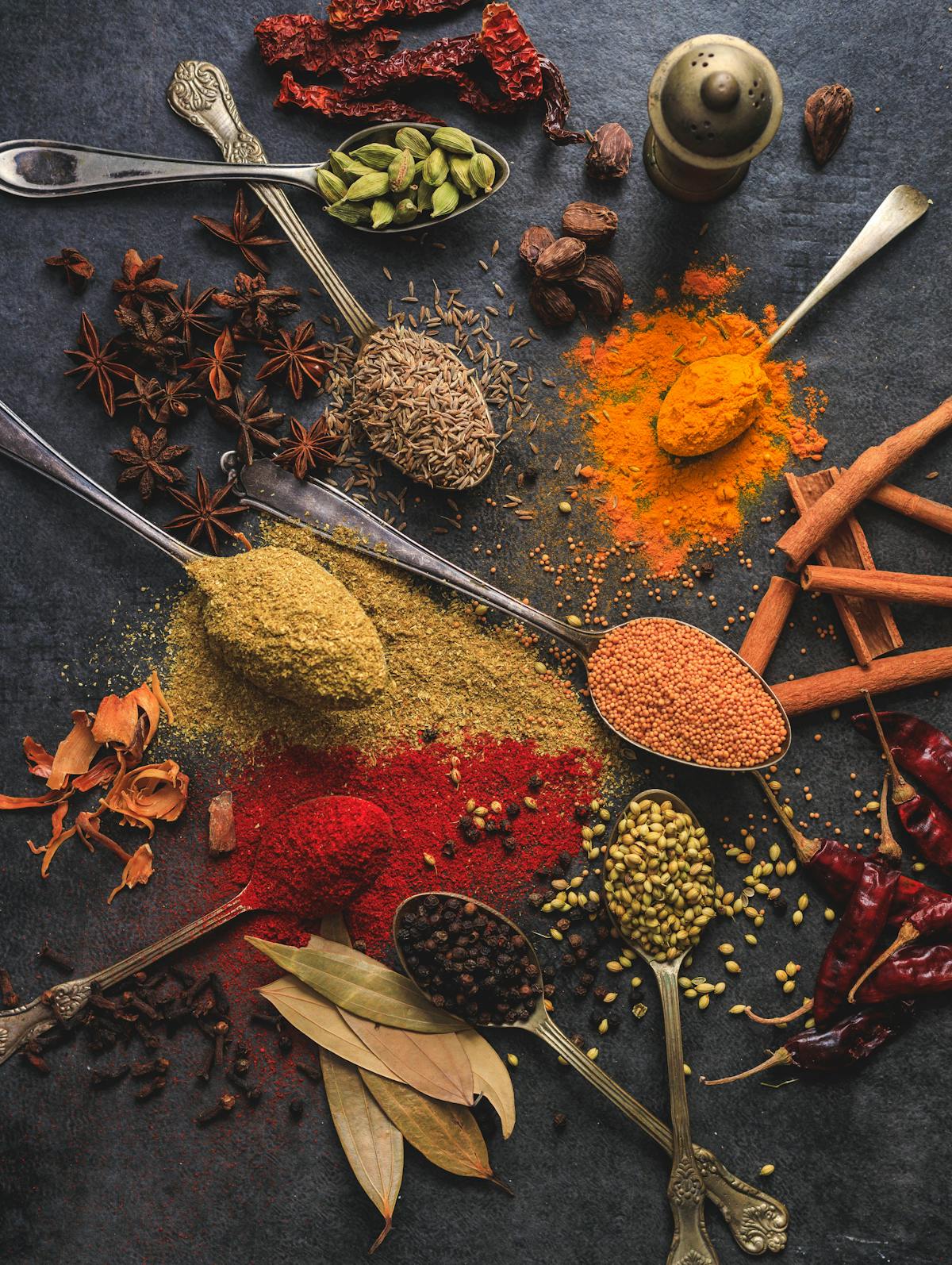
Global spices, fermentations, and regional street food accents are rapidly redefining modern menu flavor profiles as adventurous diners demand authentic, complex culinary experiences.
1. What the Global Flavor Transformation Entails
Rather than domesticating international recipes into generic fusion dishes, contemporary chefs are featuring hyper-regional ingredients with pride. Flavors like West African suya spice, Japanese yuzu kosho, North African harissa paste, and Korean gochujang are integrated into sandwiches, wings, glazes, and dipping sauces across mainstream dining categories. This evolution marks a shift from broad regional labels like 'Asian' or 'Latin' toward precise provenance-driven storytelling that celebrates specific cultural traditions.
2. Why Consumer Taste Profiles Are Evolving
Diners are increasingly widely traveled, digitally connected, and culturally curious. Exposure to international food culture via travel shows, food documentaries, and social media platforms has fostered a widespread appreciation for layered acidity, fermented heat, and aromatic botanical notes over conventional one-dimensional spicy condiments. Younger consumers view exploring vibrant global food traditions as an accessible form of daily adventure and self-expression.
3. Key Drivers Behind Global Flavor Growth
Several cultural, demographic, and culinary catalysts support this rapid flavor shift:
- Demographic Diversity: Gen Z and Millennial diners demand authentic regional flavors, diverse ethnic cuisines, and transparent culinary sourcing.
- Low-Risk Flavor Exploration: Diners view menu trial via sauces and condiments as an affordable, low-risk way to experience new taste profiles.
- Cross-Category Versatility: Concentrated chili pastes and citrus preserves seamlessly elevate drinks, proteins, sides, and appetizers.
- Social Media Exposure: Street food content creators popularize regional street food techniques, generating immediate consumer curiosity.
4. Restaurant & Menu Operational Adaptations
Chain restaurants are incorporating global flavors as LTOs (Limited Time Offers) to test consumer appetite before making permanent menu commitments. A classic fried chicken sandwich drizzled with sweet-spicy gochujang glaze or harissa aioli allows operators to offer exciting culinary updates without altering core line workflows. Kitchens can maintain standard assembly lines while introducing signature house sauces that dramatically differentiate their brand positioning.
5. Trending Global Ingredients to Benchmark
Leading culinary research spotlights several high-growth flavor catalysts currently transforming commercial menus:
- Yuzu & Citrus Kosho: Japanese yuzu fruit juice and salt-cured chili paste adding bright floral acidity and complex heat to glazes and dressings.
- Harissa Paste & Sauces: North African roasted red pepper and chili blend bringing smoky, earthy heat to roasted vegetables and meats.
- Suya Spice Rubs: West African peanut, ginger, and chili blend elevating grilled chicken skewers and roasted potatoes.
- Gochujang Ferments: Korean savory, sweet, and spicy fermented chili condiment elevating marinades, wing glazes, and dipping sauces.
6. Consumer Dining Behavior & Preference Patterns
Research shows that over 65% of consumers report being more likely to visit a restaurant that introduces unique, global spicy-sweet sauce options. Diners actively seek out multi-sensory flavor combinations that offer complex heat combined with citrus or floral top notes. Furthermore, guests are willing to pay premium prices for house-made artisanal sauces that highlight authentic regional preparation methods.
7. Social Media & Culinary Content Influence
Visual platforms drive rapid consumer familiarity with regional street food preparation. Eye-catching street food clips showcasing vibrant marinades, fiery wok tosses, and aromatic spice grinding create immediate demand at local restaurant concepts. Operators who showcase the craftsmanship behind their global spice blends gain strong engagement on social channels.
8. Business & Margin Considerations for Kitchens
Global spice pastes and concentrated chili purees are highly potent, meaning small prep volumes deliver massive flavor impact. Utilizing house-made specialty sauces allows restaurants to charge a $1.50 to $2.50 flavor upgrade fee with minimal incremental food cost. This margin structure makes global sauce additions one of the most profitable menu enhancement strategies available to operators.
Authenticity vs. Approachability in Mass Market Menus
Balancing genuine culinary authenticity with broad consumer approachability is a primary challenge for culinary development teams. Leading multi-unit brands achieve this balance by using familiar carrier vehicles—such as burgers, wings, chicken sandwiches, and crispy fries—drizzled with authentic regional spice glazes. This allows mainstream guests to experience bold global flavors like yuzu kosho or harissa without feeling intimidated by unfamiliar menu terminology.
Cross-Utilization & Inventory Efficiency
To prevent ingredient clutter, efficient kitchens cross-utilize global spice pastes across multiple menu categories. A signature gochujang or harissa paste can simultaneously serve as a wing glaze, a dipping sauce for appetizers, a spread for breakfast handhelds, and a marinade for grilled proteins. This multi-purpose application maximizes pantry turn rates, lowers food waste, and simplifies line cook training.
9. What to Watch Next in Global Flavor Trends
Look for Southeast Asian calamansi citrus dressings, Middle Eastern black lime seasonings, Central American smoked chili rubs, and Indian chaat masala accents to make major inroads across casual dining and QSR menus over the coming seasons.
10. Related FoodColumn Insights
Explore detailed global menu analyses in our deep-dive pillar guide Global Flavors on Restaurant Menus, compare menu innovation in How Restaurant Menus Are Changing, review broader menu shifts in Food Trends Shaping 2026, and view benchmark data in Food Trends 2026 Research Report.
Frequently Asked Questions
What is driving the popularity of global spices like harissa and yuzu?
Diners desire authentic, layered heat and botanical acidity over simple generic spiciness, encouraging chefs to introduce regional chili and citrus elements.
How can mainstream QSRs incorporate complex global seasonings?
The easiest operational entry point is offering global flavor glazes, aiolis, or dipping sauces on existing core menu items like wings, tenders, and burgers.
What is yuzu kosho and how is it used?
Yuzu kosho is a Japanese condiment made from salt-cured chili peppers, yuzu zest, and juice, providing aromatic citrus notes and zesty heat to meats and dressings.
Are global flavor LTOs profitable for fast casuals?
Yes. Highly concentrated spice pastes offer strong flavor output with low prep labor, driving premium add-on charges and limited-time urgency.
What is suya spice and which dishes does it complement?
Suya spice is a West African rub made from ground peanuts, ginger, chili, and garlic, perfectly complementing grilled meats, poultry, and roasted vegetables.