Kitchen Display Systems (KDS): Optimizing Line Speed & Ticket Accuracy
Digital kitchen screens replace paper tickets, routing orders by station prep time and reducing kitchen bottlenecks.

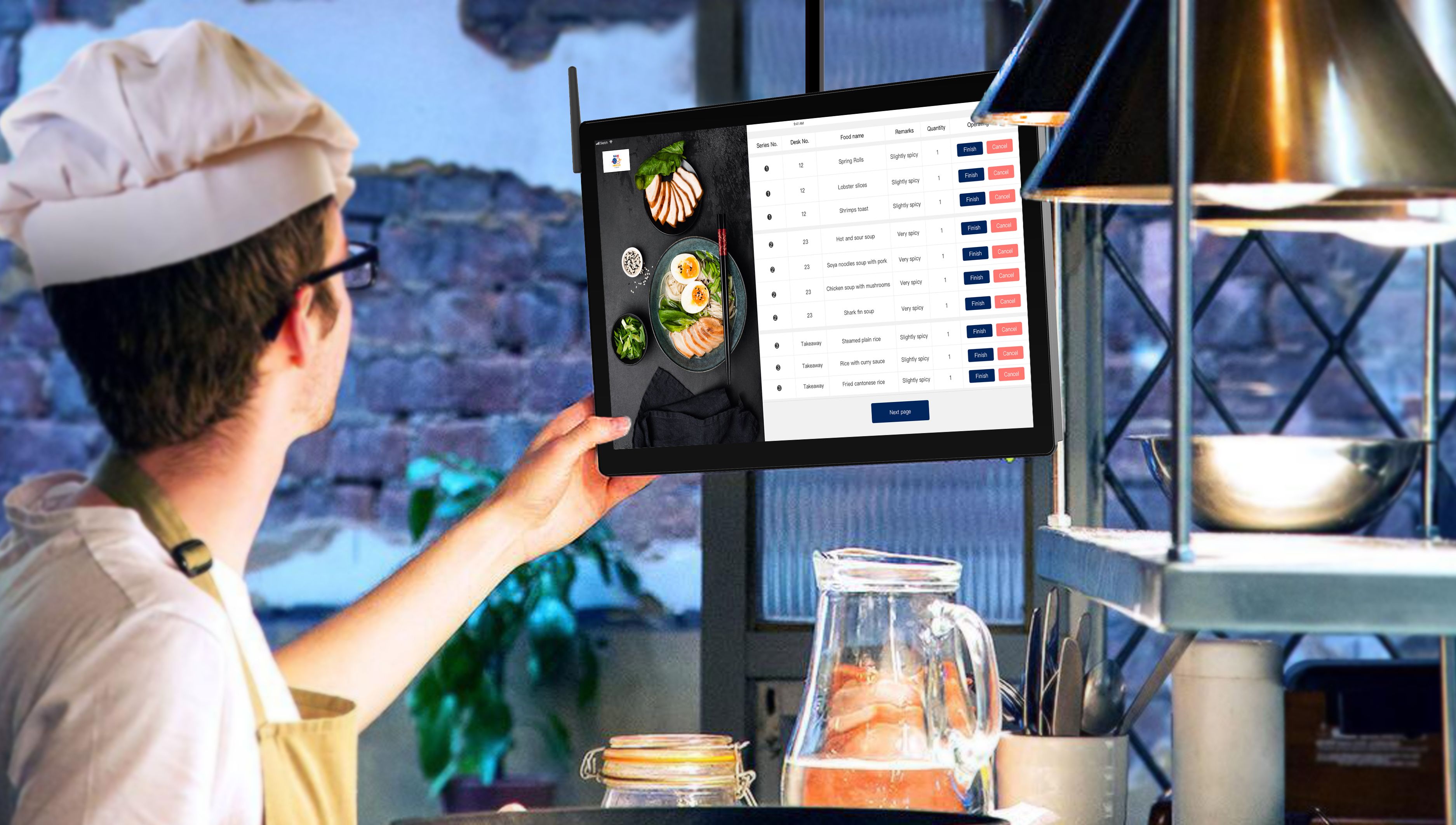
Kitchen Display Systems (KDS) have replaced paper tickets with digital order routing, real-time ticket timer tracking, and line cook workflow optimization.
Introduction: The Evolution of Commercial Kitchen Operations
In traditional restaurant kitchens, paper tickets printed from noisy impact printers were physically transferred along cook lines, creating ticket clutter, lost orders, and miscommunications between front-of-house servers and line cooks. Modern Kitchen Display Systems (KDS) replace paper tickets with durable, high-visibility digital screens positioned at prep stations, revolutionizing kitchen workflow efficiency, order accuracy, and meal cook timing.
What Is a Kitchen Display System (KDS)?
A Kitchen Display System is a specialized hardware and software system that receives order data directly from POS terminals, mobile apps, self-service kiosks, and third-party delivery platforms. It organizes and displays order items on digital screens across specific kitchen prep stations (e.g., grill, fry, salad, packing), guiding cooks through item preparation with color-coded timers and recipe guidelines.
How KDS Technology Works in Commercial Kitchens
When an order is placed anywhere in the restaurant system, the KDS breaks down the ticket into station-specific items. The grill screen displays steak temperatures, the fry screen displays side items, and the expeditor screen tracks overall order completion. Integrated ticket timing software staggers cook start times—ensuring that a 12-minute steak and a 3-minute salad finish cooking at the exact same moment for seamless packing.
Key Features of Enterprise KDS Platforms
Modern KDS platforms provide robust features designed for high-volume commercial kitchens:
- Station-Specific Order Routing: Directing appetizers, entrees, and beverages automatically to dedicated prep monitors.
- Color-Coded Elapsed Timers: Highlighting ticket age dynamically (green to yellow to red) to keep kitchen staff focused on service speed targets.
- Cook-Time Pacing & Staggering: Sequencing prep tasks so all order components complete simultaneously, preventing food from cooling under heat lamps.
- Delivery App Order Aggregation: Consolidating third-party delivery orders onto expeditor screens alongside in-house dining tickets.
- Historical Cook-Time Analytics: Logging precise prep times per item to help managers identify station bottlenecks and staff training needs.
Benefits for Restaurant Kitchen Operations
Deploying a KDS yields immediate operational improvements:
- Line Speed & Order Accuracy: Digital displays eliminate lost paper tickets, misread handwriting, and verbal shouting match errors across cook lines.
- Reduced Kitchen Stress & Noise: Replacing impact printers with quiet digital monitors creates a calmer, more focused working environment for kitchen crews.
- Labor & Paper Cost Savings: Eliminating paper ticket rolls saves thousands of dollars annually in thermal paper supplies while improving prep efficiency.
- Data Transparency for Management: Real-time manager dashboards track average cook times, ticket age spikes, and station bottlenecks continuously.
Challenges and Implementation Limitations
Transitioning from paper tickets to KDS screens requires structured kitchen change management. Veteran line cooks accustomed to paper tickets require initial training to adapt to bump bar controls or touchscreen monitors. Kitchen managers must ensure screens are housed in heat-resistant, grease-proof enclosures with commercial-grade bump bars capable of withstanding harsh kitchen environments.
Implementation Considerations for Kitchen Managers
Before installing KDS hardware, operators should analyze kitchen station layouts, line-of-sight angles, and mounting locations. Configuring item routing rules properly—ensuring side dishes route to fry stations while burgers route to grill monitors—is critical during initial software setup to avoid cook line confusion.
Cost / ROI Considerations for Restaurant Operators
KDS deployment costs include commercial monitor hardware, bump bar controllers, mounting brackets, network cabling, and software licensing. Operators realize rapid return on investment through paper roll savings, reduced food re-fires from order entry errors, faster drive-thru throughput, and optimized labor productivity.
Best Use Cases Across Foodservice Concepts
KDS technology is indispensable for QSR drive-thrus processing high ticket volumes, fast-casual bowl assembly lines requiring custom toppings, and high-volume casual dining kitchens managing complex multi-course dinner service.
Future Outlook: AI-Driven Smart Kitchen Routing
Future KDS platforms will integrate computer vision cameras and AI predictive analytics to automatically monitor prep line food quality, detect order packing errors before bag closure, and dynamically adjust prep priorities based on delivery driver ETA data.
Analyzing Historical Cook-Time Analytics for Station Optimization
Beyond live line management, KDS platforms store detailed historical prep data for every menu item. Kitchen managers utilize analytics dashboards to track average cook times per station, ticket lag spikes during peak shifts, and individual line cook productivity. Identifying prep bottlenecks allows managers to adjust station staffing, re-sequence prep workflows, and improve store throughput.
Improving Expedition Line Speed & Handoff Accuracy
Positioning primary KDS screens at the master expeditor station streamlines final order assembly and packaging. Expeditor monitors display complete order summaries, special customer instructions, and delivery driver assignment tags, allowing packing staff to verify every dish before closure, reducing order bag errors to under 1% across high-volume shifts.
Hardware Mounting Ergonomic Standards & Cable Protection
Installing KDS hardware requires careful ergonomic planning. Mounting monitors at a 15-degree downward angle at eye level (58 to 62 inches above floor height) reduces neck strain for line cooks working extended shifts. Protecting commercial power cords and ethernet lines inside stainless steel conduit prevents grease buildup, moisture intrusion, and accidental line snags during high-speed prep shifts.
Expeditor Screen Priority Tagging for Delivery Orders
Managing off-premise delivery timing on expeditor monitors relies on dynamic priority tagging. The KDS color-codes delivery tickets based on delivery driver proximity (GPS geofencing), prioritizing orders whose courier is within 3 minutes of store arrival. Smart order tagging ensures food is packed piping hot without sitting under heat lamps or congesting pickup shelves.
Related FoodColumn Tech Guides
Explore POS platforms in Cloud POS Systems Migration Guide, examine kitchen automation in Kitchen Robotics & Fast Food Automation, analyze AI trends in AI Changing the Restaurant Industry, and review comprehensive tech resources in The Essential Restaurant Technology Guide.
Frequently Asked Questions
What is a KDS bump bar?
A bump bar is a ruggedized metal keyboard device with durable buttons that line cooks use to clear ('bump') finished items off KDS screens in hot, greasy kitchen environments.
How does a KDS improve meal prep timing?
KDS software automatically staggers item fire times based on target cook durations, ensuring long-cook entrees and quick side dishes complete cooking simultaneously.
Can a KDS integrate with third-party delivery apps?
Yes. Modern KDS platforms aggregate delivery orders from DoorDash, Uber Eats, and Grubhub onto expeditor monitors alongside in-house dining tickets.
How much money can a restaurant save by replacing paper tickets with KDS?
Restaurants save thousands of dollars annually on thermal paper rolls while reducing food waste from misread paper tickets and re-fire errors.
Are KDS screens durable enough for hot kitchen lines?
Commercial KDS hardware features heat-resistant, moisture-sealed enclosures and shatterproof glass designed specifically to withstand grease, steam, and high kitchen temperatures.