Cloud POS Systems: Features, Benefits & Migration Considerations
Legacy legacy server-based POS systems are being phased out in favor of cloud-native platforms with real-time API integrations.

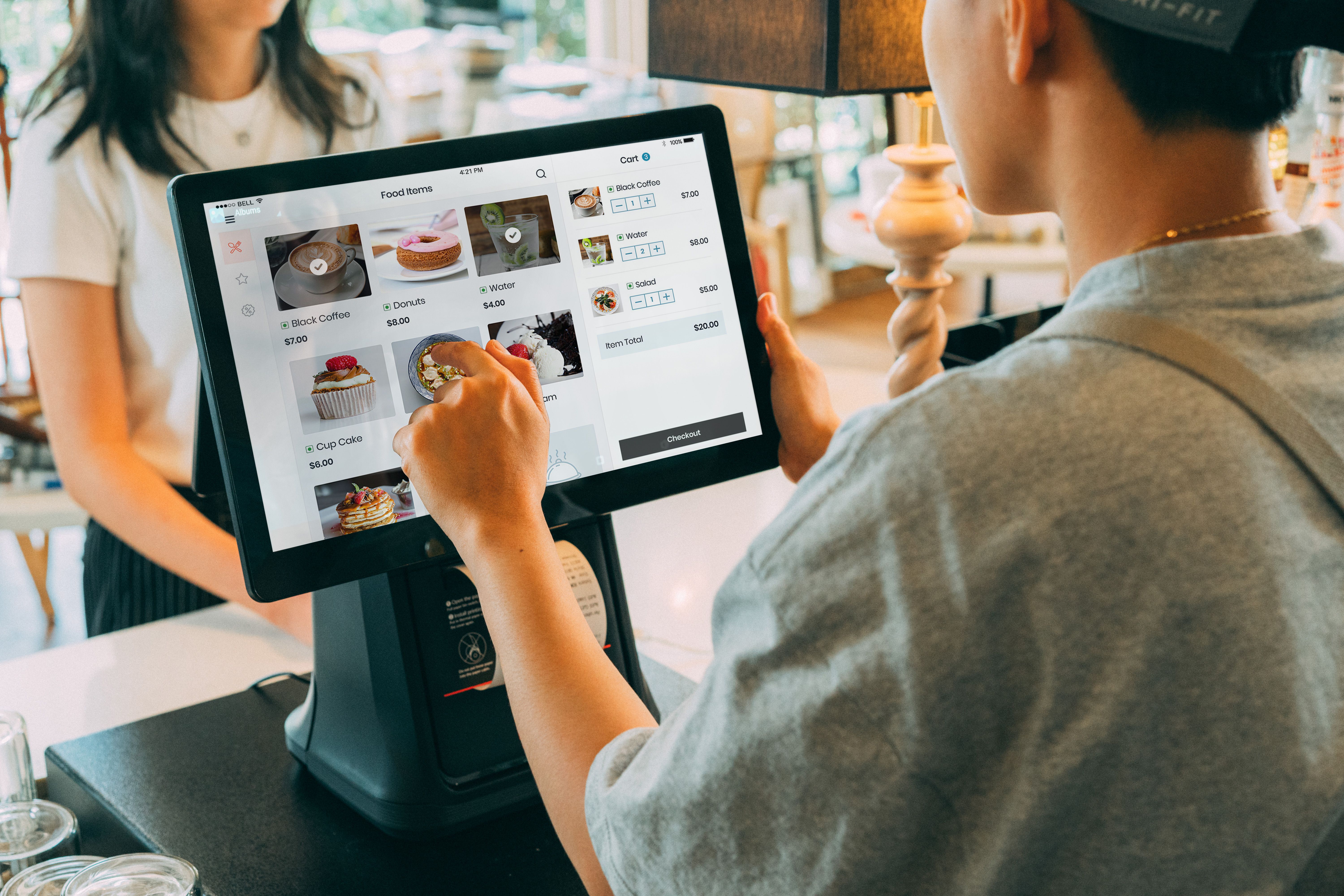
Legacy server-based point-of-sale (POS) systems are rapidly giving way to cloud-native platforms that provide real-time data synchronization, open API integrations, and FOH/BOH operational agility.
Introduction: The Shift to Cloud POS Architectures
The modern restaurant point-of-sale system has evolved from a basic cash register into the central digital operating system for front-of-house service, kitchen prep lines, accounting workflows, and guest loyalty management. Legacy on-premise POS systems—plagued by expensive local server maintenance, manual software updates, and clunky third-party integrations—are being phased out across single-unit and enterprise chain operations in favor of flexible cloud POS architectures.
What Is a Cloud Restaurant POS System?
A cloud POS system is a software-as-a-service (SaaS) platform where transactional data, menu configurations, inventory levels, and customer profiles are processed and stored securely in cloud servers rather than on local physical hard drives. Store terminals (typically tablet-based or handheld mobile devices) connect via secure internet protocols, enabling real-time access to operational data from any device, anywhere in the world.
How Cloud POS Technology Works in Daily Operations
When a server takes an order on a mobile handheld terminal or a customer places an order via a self-service kiosk, the order data streams instantly to the cloud back-end and routes simultaneously to kitchen display screens (KDS) and bar printers. Inventory levels decrement automatically, payment processing tokenizes securely, and accounting records update in real time without requiring end-of-day manual server syncs.
Key Features of Modern Cloud POS Platforms
Commercial restaurant operators should evaluate platforms based on several core technological capabilities:
- Offline Order Buffering: Local terminal caching that processes payments and stores order tickets seamlessly during temporary internet outages.
- Open API Ecosystem: Seamless integration with third-party delivery apps, labor scheduling tools, inventory management software, and accounting platforms.
- Centralized Multi-Unit Management: Instant remote menu updates, price adjustments, and promotional launches across hundreds of store locations simultaneously.
- Mobile Tableside Ordering & Payments: Handheld terminal support allowing servers to send orders line-side and take contact-free payments at the table.
- Real-Time Enterprise Analytics: Live sales dashboards tracking labor cost percentages, hourly sales volume, and ingredient usage across store networks.
Benefits for Restaurant Operators
Migrating to a cloud POS architecture yields substantial operational and financial benefits:
- Operational Speed & Line Throughput: Mobile handheld ordering eliminates server travel time between tables and stationary terminals, speeding up table turns by 15% to 20%.
- Labor Efficiency & Cost Reduction: Automated order routing reduces front-of-house staffing requirements while minimizing order entry errors.
- Enhanced Customer Experience: Guests enjoy faster service, item-level split checks, and frictionless mobile wallet payment options at the table.
- Scalability & Lower Capital Expenses: Adding new terminals or opening new store units requires minimal hardware investment compared to traditional server installations.
Challenges and Migration Limitations
While cloud POS platforms offer immense advantages, operators must manage specific migration challenges during rollout. Network redundancy is critical; relying on a single consumer internet connection can cause line bottlenecks if network outages occur without local offline caching. Staff retraining, legacy credit card terminal upgrades, and data migration from legacy databases require structured project management to avoid operational disruptions during peak meal shifts.
Implementation Considerations for Operations
Prior to selecting a cloud POS vendor, restaurant operators should audit existing network infrastructure, ensure dedicated commercial Wi-Fi coverage across all dining areas, and verify that payment processing gateway fees align with operational transaction volumes. Conducting pilot migrations at a single high-volume store allows IT teams to refine menu matrix setups and staff training modules before enterprise-wide deployment.
Cost / ROI Considerations for Restaurant Owners
Evaluating cloud POS economics requires analyzing recurring software subscription fees (SaaS model), credit card processing rates, hardware lease costs, and implementation services. Rather than paying large upfront licensing fees for legacy servers, cloud POS systems shift expense structures to predictable monthly operating expenditures (OpEx). Return on investment is realized rapidly through reduced server hardware maintenance, lower labor hours, higher table turns, and reduced food order entry errors.
Best Use Cases Across Restaurant Formats
Cloud POS platforms excel across diverse foodservice formats. Fast-casual concepts leverage cloud POS for rapid kiosk integration and delivery app order aggregation; full-service restaurants utilize mobile handheld terminals to accelerate tableside service; multi-unit franchises rely on cloud dashboards to execute centralized menu pricing across regional territories.
Future Outlook: AI & Predictive POS Systems
Next-generation cloud POS platforms will incorporate conversational AI order assistants, predictive labor scheduling based on weather forecasts, and automated re-order triggers for inventory items, transforming point-of-sale from a transaction engine into an autonomous store management co-pilot.
Real-Time Enterprise Multi-Unit Synchronization
For multi-unit franchise operators, cloud POS platforms eliminate the administrative headache of updating store menus individually. Corporate culinary teams can push new menu prices, seasonal LTO items, and promotional discounts to hundreds of store terminals simultaneously with a single click. Centralized cloud data architecture ensures absolute brand consistency across regional franchise territories.
Hardware Standardization & Terminal Scalability
Cloud POS migration enables operators to standardize commercial hardware across all store locations. iPad or Android-based touchscreen terminals, compact receipt printers, and wireless handheld card readers lower hardware acquisition costs compared to bulky legacy registers. Scalable cloud architecture allows managers to deploy temporary pop-up terminals during outdoor festival events or peak holiday rushes within minutes.
Related FoodColumn Coverage & Research
For deeper insights into restaurant technology integration, explore Kitchen Display Systems (KDS) Efficiency, examine automation news in AI Ordering Kiosks & Smart Kitchen Automation, analyze broader industry shifts in AI Changing the Restaurant Industry, and review comprehensive operator benchmarks in The Essential Restaurant Technology Guide.
Frequently Asked Questions
What is the main difference between legacy POS and cloud POS?
Legacy POS systems store data on local physical servers in the restaurant, requiring manual updates, whereas cloud POS systems process and back up data automatically on cloud servers accessible from anywhere.
What happens to a cloud POS system if the restaurant internet goes down?
Modern cloud POS systems feature offline mode caching, allowing terminals to take orders and accept credit card payments locally, automatically syncing data once internet connectivity resumes.
How do mobile handheld POS terminals increase restaurant revenue?
Handheld POS terminals allow servers to take orders and process payments tableside, reducing order delivery times, speeding up table turns by 15-20%, and boosting tip averages.
How long does it take to migrate a restaurant to a cloud POS?
Single-unit migrations typically take 1 to 3 days for hardware setup and staff training, while multi-unit enterprise rollouts are staged over several weeks.
Can cloud POS systems integrate directly with third-party delivery apps?
Yes. Cloud POS platforms utilize open APIs to aggregate orders from DoorDash, Uber Eats, and Grubhub directly into the kitchen display system, eliminating extra tablet clutter.