Virtual Host Kitchens: How Restaurants Can Unlock New Revenue From Idle Line Capacity
Brick-and-mortar restaurant operators partner with virtual brand networks to monetize underutilized kitchen shifts without capital expenditure.

A restaurant's commercial kitchen may run at near-capacity during lunch and dinner rushes, but sit relatively quiet during off-peak morning and mid-afternoon hours. The cooking equipment is already installed, the rent is being paid, salaried supervisors are on-site, and supplier accounts are active. Yet the facility's physical capacity is underutilized for substantial portions of the operating week.
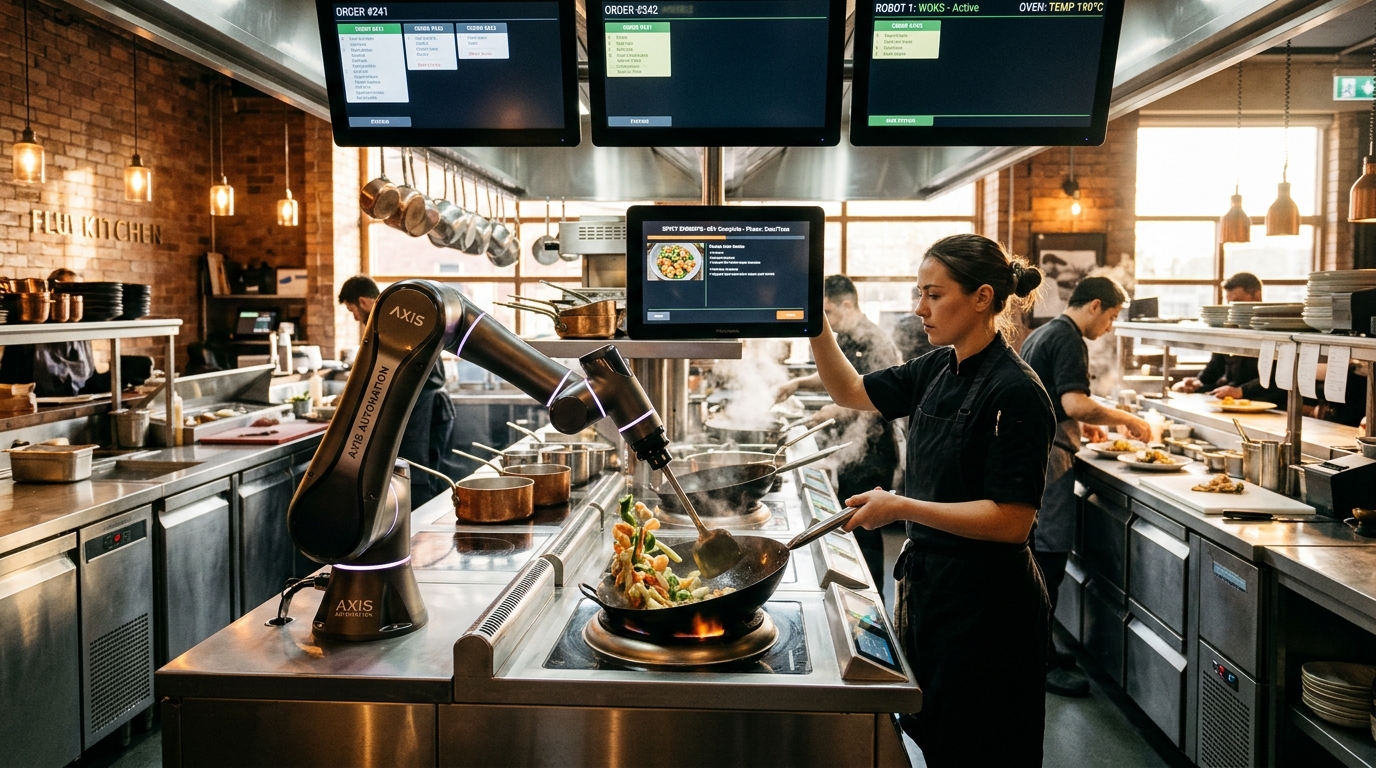
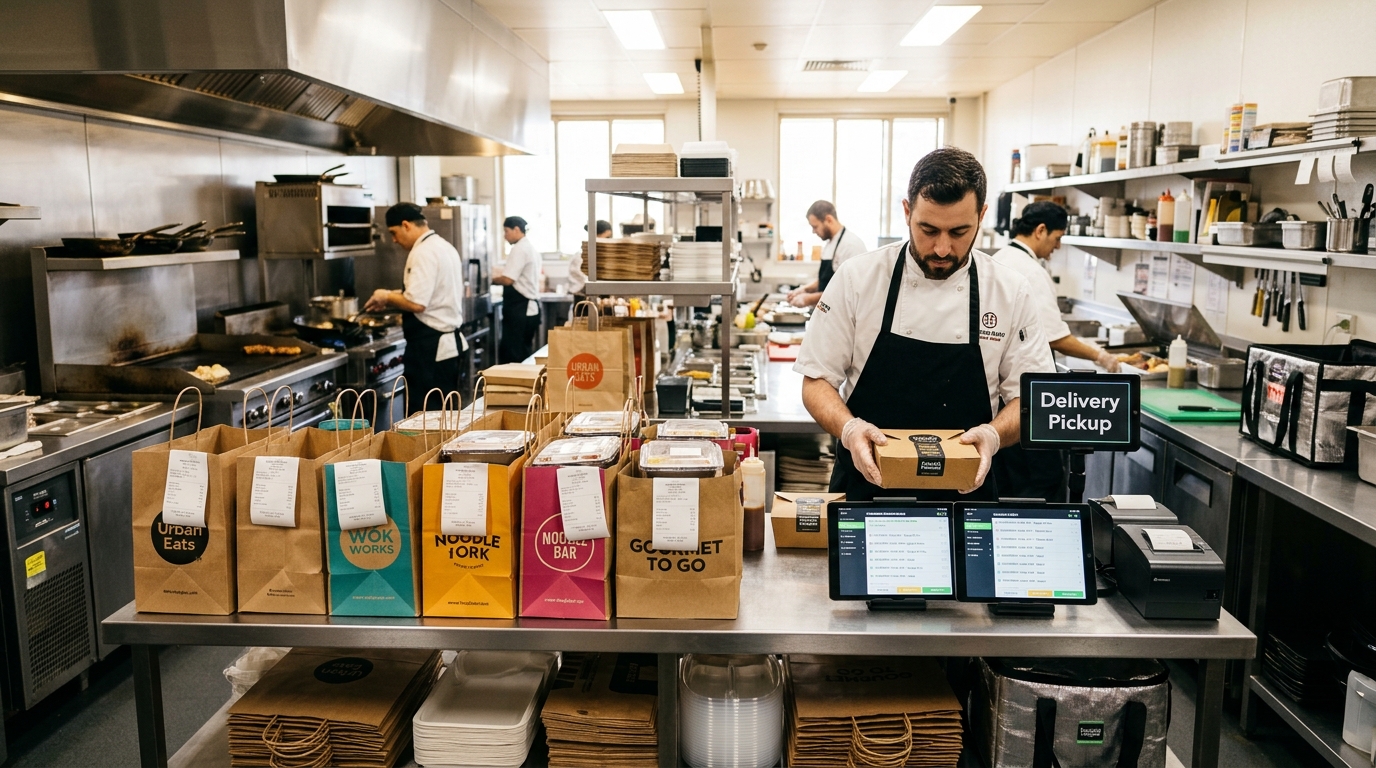
This idle infrastructure has given rise to one of the most compelling business models in modern foodservice: Virtual Host Kitchens. Rather than signing expensive leases to open additional brick-and-mortar storefronts, established restaurant operators are using their existing cooking lines, storage, and staff to prepare delivery-only menus for secondary digital brands. For broader operational context, explore our curated Food Tech Hub.
However, producing multiple menus from a single kitchen is far from free money. Each virtual brand introduces packaging requirements, third-party marketplace fees, inventory complexities, and potential kitchen line congestion. Understanding the financial mechanics and operational guardrails of host kitchens is essential before launching a digital brand.
1. What Is a Virtual Host Kitchen?
A virtual host kitchen is an operating, brick-and-mortar restaurant that prepares food for one or more separate delivery-focused brands out of its existing kitchen facility. The original restaurant maintains its traditional dine-in and takeout identity, while the back-of-house team fulfills orders placed through digital delivery apps under a completely distinct brand name.
For example, a casual grill restaurant with unused griddle capacity during evening hours can launch a digital-only smashburger brand. Online diners discover the smashburger brand on DoorDash or Deliveroo, completely unaware that their order is being assembled on the commercial line of an established neighbourhood bistro.
2. Host Kitchens vs. Ghost Kitchens vs. Virtual Brands
To evaluate opportunities cleanly, operators must understand the distinctions across delivery models:
The Food World, Delivered.
Discover what's cooking around the world. Get the latest food trends, restaurant industry insights, emerging food technologies, and fascinating food statistics delivered straight to your inbox.
| Delivery Model | Physical Facility | Primary Revenue Mechanism |
|---|---|---|
| Ghost Kitchen (Commissary) | Dedicated warehouse facility subdivided into delivery pods with no dining room. | Rent paid to facility landlords; high dependency on 100% delivery sales. (See our analysis of Ghost Kitchen Market Consolidation). |
| Virtual Brand | A digital menu concept existing purely on delivery apps with no physical dining room. | Fulfillment outsourced to host kitchens or ghost facilities. |
| Virtual Host Kitchen | An established, operating restaurant with dining room, staff, and kitchen equipment. | Monetizing spare equipment capacity and labor hours to generate incremental gross profit. |
3. Why Restaurant Operators Are Exploring Host Kitchens
Rising commercial rents and wholesale commodity inflation have made physical multi-unit expansion capital-intensive. Virtual host kitchens offer an agile alternative for several strategic reasons:
- Monetizing Idle Dayparts: A breakfast cafe closing at 2:00 PM can operate a virtual chicken wing or slider concept during late-afternoon and dinner delivery peaks without paying additional base rent.
- Testing Concepts with Low Capital Risk: Developing a delivery menu requires no architecture fees, buildout loans, or multi-year leases. If a concept fails to gain traction, it can be delisted without capital loss.
- Pantry Cross-Utilization: Successful operators design virtual brands around ingredients already stocked in high volume (e.g., chicken breasts, rice, cheeses, sauces), boosting wholesale volume discounts.
- Reaching New Demographic Segments: A traditional Italian trattoria can capture younger Gen Z delivery orders by launching a late-night loaded mac-and-cheese concept without confusing its loyal in-person clientele.
4. The Real Economics: Understanding Incremental Contribution
While host kitchens eliminate base occupancy overhead, additional delivery orders incur variable costs that must be rigorously modeled against industry figures in Restaurant Industry Statistics 2026 and Restaurant Industry Benchmarks:
- Third-Party Delivery Commissions: Marketplaces charge 15% to 30% of gross order totals.
- Packaging Costs: Sturdy, tamper-evident, insulated containers cost $0.60 to $1.20 per order.
- In-App Marketing: Sponsored placement and promotional discounts required to gain algorithm visibility.
- Incremental Prep Labor: Peak order rushes may require an extra prep cook or line expediter.
Illustrative Host Kitchen Economics Model
Disclaimer: The following financial breakdown illustrates hypothetical incremental economics for a restaurant handling 20 additional virtual orders per day. It demonstrates contribution modeling and does not represent guaranteed performance.
| Monthly Operating Metric (30 Days) | Illustrative Amount |
|---|---|
| Average Order Value (AOV) | $18.00 |
| Daily Virtual Brand Orders (20 Orders/Day) | 600 Orders/Mo |
| Gross Monthly Virtual Brand Revenue | $10,800 |
| Wholesale Ingredients & Food COGS (30%) | −$3,240 |
| Specialty Delivery Packaging ($0.90/order) | −$540 |
| Delivery Marketplace Commissions & Merchant Processing (20%) | −$2,160 |
| Incremental Labor (Part-time prep support) | −$1,800 |
| Digital In-App Promotions & Photography Allocation | −$600 |
| Utilities, Cleaning & Waste Allocation | −$450 |
| Monthly Net Contribution (Before Corporate Tax & Depreciation) | +$2,010 |
In this scenario, generating $2,010 in monthly net profit produces $24,120 annually in incremental cash flow—without adding a penny to base building rent. However, if third-party marketplace fees climb to 30% or packaging costs surge, that contribution margin can quickly vanish.
5. Operational Guardrails: Avoiding Kitchen Congestion
The biggest risk of operating a virtual host kitchen is cannibalizing or degrading the core restaurant experience. Operators must enforce strict operational boundaries:
- Keep Virtual Menus Compact: Limit the digital menu to 6 to 10 high-margin, easy-to-prep items that utilize existing equipment lines.
- Throttle Orders During Peak In-House Rushes: Use delivery platform tablets to temporarily pause digital incoming orders on Friday and Saturday evenings when in-person dining rooms are full.
- Test Food Travel Integrity: Ensure fried foods stay crisp and hot dishes maintain internal temperature after 30 minutes in transit.
- Separate Pickup Logistics: Create a designated counter or side door for delivery drivers to prevent couriers from crowding the main dining room host stand.
For detailed insights into menu engineering and consumer dining preferences, read our industry reports on How Restaurant Menus Are Changing and the Food Tech Platform Hub.
The Food World, Delivered.
Discover what's cooking around the world. Get the latest food trends, restaurant industry insights, emerging food technologies, and fascinating food statistics delivered straight to your inbox.
Free newsletter. Useful insights. No spam. Unsubscribe anytime.
Frequently Asked Questions
What is a virtual host kitchen?
A virtual host kitchen is an existing commercial restaurant kitchen that prepares food for an additional delivery-only brand using its available cooking equipment, staff, and storage without opening another physical location.
How is a virtual host kitchen different from a ghost kitchen?
A ghost kitchen is typically a dedicated commissary kitchen facility without a customer dining room. A virtual host kitchen is an existing dine-in restaurant monetizing its spare cooking capacity to fulfill delivery orders for secondary brands.
Can an existing restaurant operate multiple virtual brands simultaneously?
Yes, provided its kitchen line, inventory space, and staff can support the order volume without delaying in-house guest service. However, each additional brand increases operational complexity, so starting with a single focused concept is strongly recommended.
Do virtual host kitchens need separate business or health licences?
Regulatory requirements depend on local municipal health codes. Generally, the host restaurant must notify the local health department of additional brand names operated from the facility and ensure all menu allergen disclosures and food handling standards are strictly met.
Are virtual host kitchens profitable for restaurant operators?
They can generate healthy incremental profit because base rent and core equipment are already paid for. However, profitability depends on keeping food costs under 32%, managing packaging expenses, and controlling third-party delivery marketplace commissions.
What is the biggest operational risk of launching a virtual brand?
The greatest risk is overwhelming the kitchen cook line during peak dining hours, leading to delayed tickets, food quality mistakes, staff burnout, and poor reviews for both the core restaurant and the virtual brand.