UK Restaurant and Pub Closures Accelerate as Licensed Premises Fall Below 100,000
Britain's licensed hospitality market has fallen below 100,000 venues, with 977 net closures recorded in the year to September 2026. Rising costs and weak consumer confidence continue to challenge pubs, restaurants and bars.

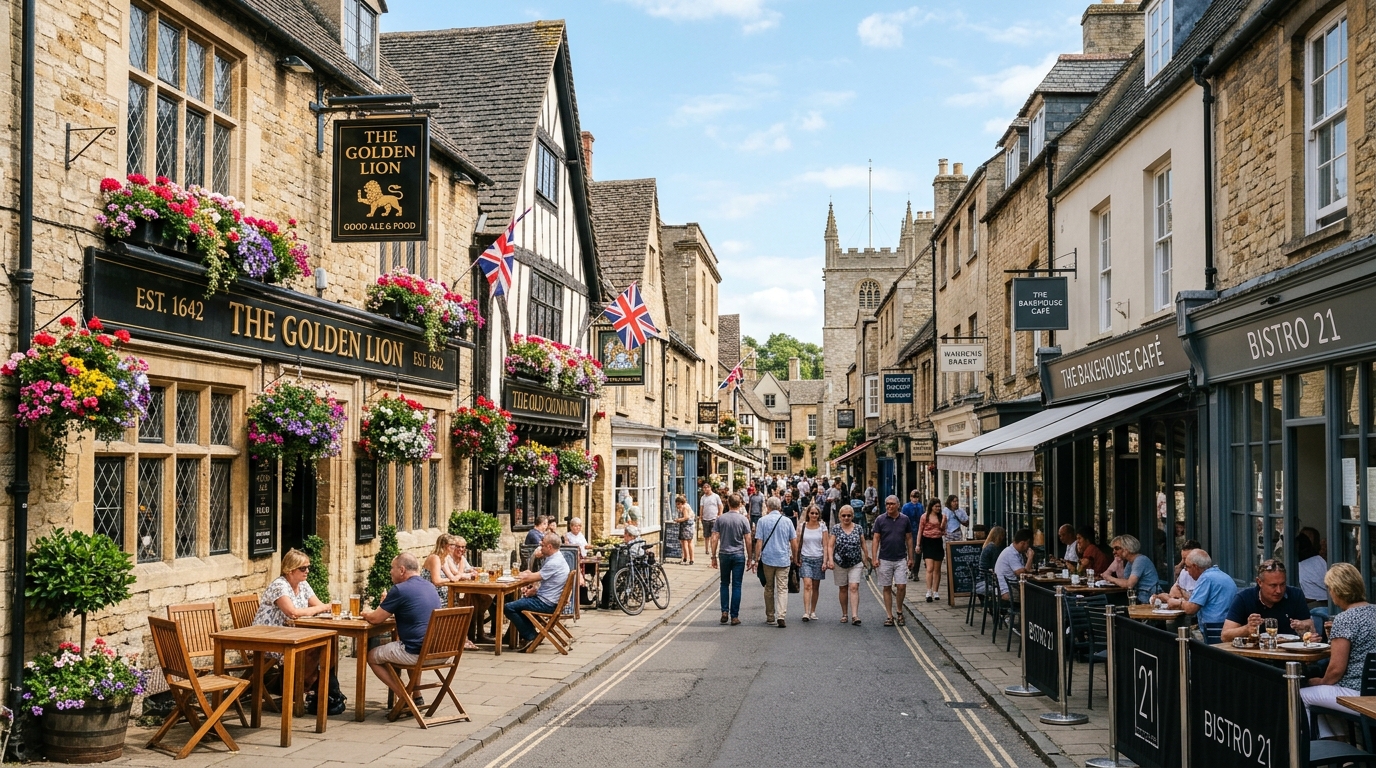
Britain's hospitality industry is facing renewed pressure after the total number of licensed pubs, restaurants, bars, and leisure venues fell below 100,000 for the first time in official industry figures. Data from NIQ's Hospitality Market Monitor reveals that the United Kingdom had 98,319 licensed hospitality premises in September 2026, down 977 from the previous year. The 1.0% annual contraction represents a net loss of nearly 19 licensed venues every single week.
The figures, released on October 30, 2026, highlight the compounding operational challenges confronting hospitality business owners as they approach the crucial Christmas trading season. While high consumer inflation has moderated, sustained increases in labor costs, property rates, and wholesale food supplies continue to squeeze operator margins across the sector.
Nearly 1,000 Net Venues Lost in One Year
The latest market analysis demonstrates a continuing structural imbalance between venue closures and new store openings. Between September 2025 and September 2026, Britain recorded 977 net closures across the licensed hospitality sector.
Market churn was especially pronounced during the third quarter of 2026. Between July and September 2026 alone, 2,436 licensed premises closed their doors, while 2,191 new venues opened. This churn resulted in a net quarterly reduction of 245 establishments.
- Total Licensed Premises: 98,319 venues (down from 99,296 in September 2025).
- Annual Net Reduction: 977 venues lost (a net decline of ~19 sites per week).
- Q3 2026 Gross Churn: 2,436 closures vs. 2,191 openings (net decline of 245 sites).
- Casual Dining Trend: Down 2.2% year-on-year (-23.4% since 2020).
- Sub-Sector Growth: Licensed hotels (+0.2%) and holiday/caravan parks (+0.7%) recorded modest net gains.
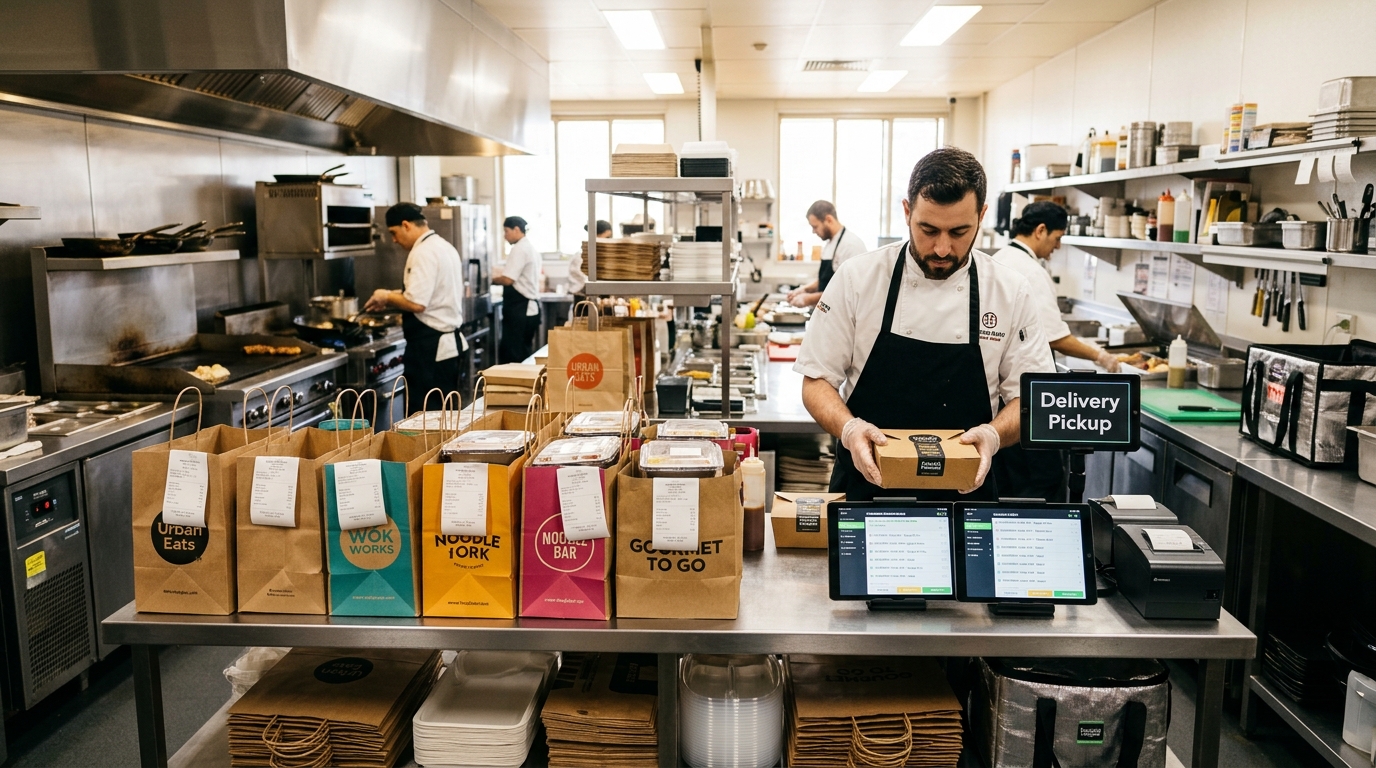
Crucially, industry analysts emphasize that these figures encompass the entire licensed sector—including casual dining restaurants, independent pubs, nightclub venues, hotel bars, and private social clubs. They should not be interpreted as pub closures exclusively, nor do they imply that every closing venue represents a permanent commercial loss. In many urban centers, vacated units are gradually re-leased and repurposed by emerging fast-casual and food-to-go operators.
Casual Dining Faces Continued Pressure
Among all hospitality categories, full-service casual dining continues to weather the steepest contraction. According to NIQ's market data, the number of casual dining restaurants declined by 2.2% year-on-year in the 12 months to September 2026.
When viewed over a longer timeframe, the contraction is even more stark: Britain's casual dining segment has shrunk by 23.4% since the onset of the COVID-19 pandemic in early 2020. This protracted decline reflects the severe difficulty of balancing full-service front-of-house payroll, kitchen prep labor, commercial lease commitments, and ingredient procurement against diners who have grown increasingly sensitive to check averages.
Wider managed hospitality chains have also experienced steady pressure on sales growth. NIQ's RSM Hospitality Business Tracker revealed that managed group sales increases remained below inflation for 16 consecutive months, demonstrating that top-line headline revenue growth has frequently failed to cover escalating unit-level operating expenses. For deeper data on foodservice financial metrics, consult our Restaurant Industry Statistics 2026 and Restaurant Industry Benchmarks.
Rising Costs and Subdued Consumer Confidence Weigh on Operators
Operating a hospitality business in Britain requires navigating an array of simultaneous cost increases. The combination of higher minimum wage rates, elevated business property taxes, employer national insurance contributions, and energy overheads has narrowed gross operating margins.
The Food World, Delivered.
Discover what's cooking around the world. Get the latest food trends, restaurant industry insights, emerging food technologies, and fascinating food statistics delivered straight to your inbox.
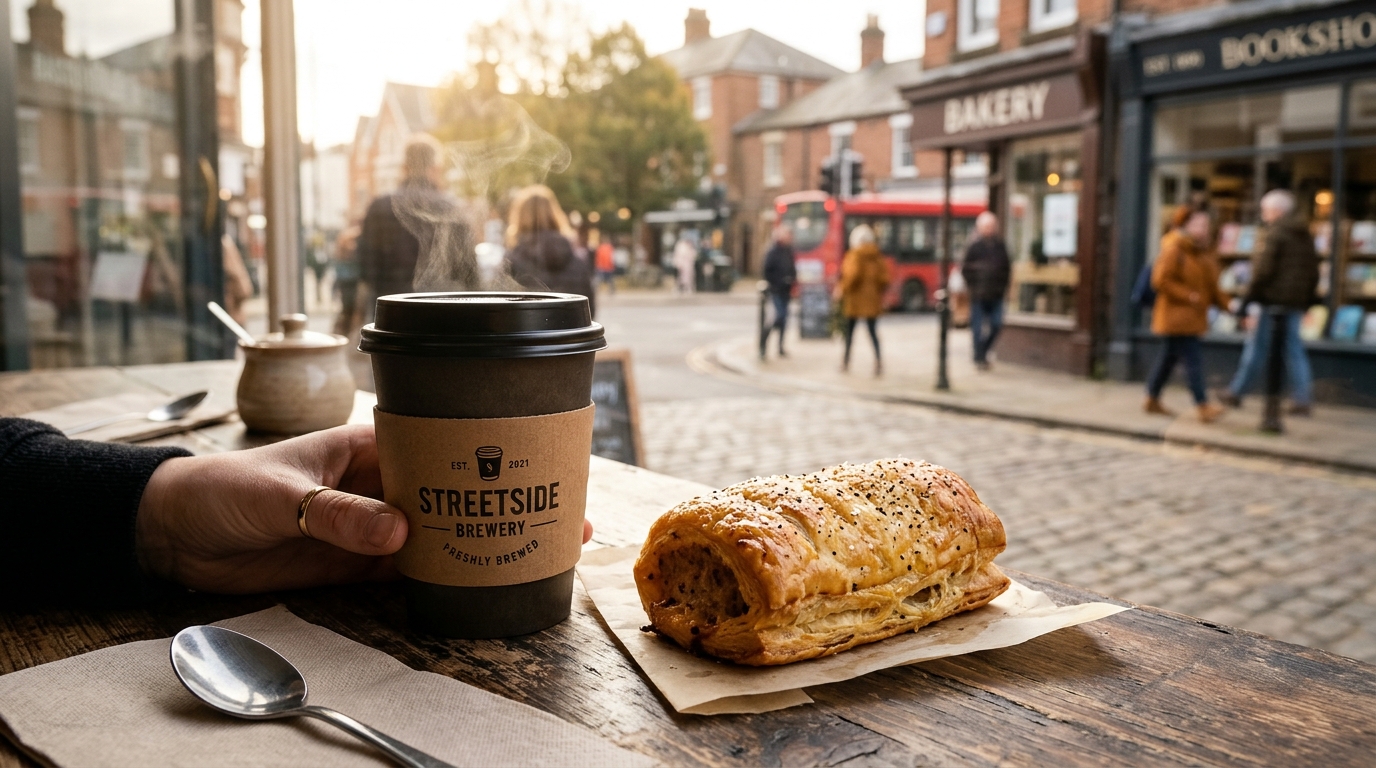
While operators previously attempted to offset cost pressures by adjusting menu prices, consumer elasticity has made further price hikes risky. Many diners are actively managing household budgets by skipping appetizers, substituting alcoholic drinks for tap water, or opting for quick-service alternatives like Greggs food-to-go meal deals rather than sit-down dining.
Consequently, business confidence across the sector remains depressed. NIQ's latest Business Confidence Survey, conducted in partnership with hospitality technology firm Zonal, found that only 37% of hospitality leaders felt optimistic about their business prospects over the next 12 months. This marked lack of optimism underlines the cautious stance taken by restaurant executives, franchisees, and independent pub landlords alike.
Not Every Hospitality Segment Is Declining
Despite the broad contraction across wet-led bars and casual dining restaurants, the NIQ dataset highlights clear pockets of resilience where operators have achieved net expansion.
Licensed hotel venues expanded by 0.2% year-on-year to September 2026, benefiting from consistent international inbound tourism, corporate business travel, and premium staycations. Similarly, the holiday and caravan park hospitality segment registered a 0.7% net increase in licensed sites, reflecting steady domestic leisure demand.
These divergent performances underscore that hospitality is not experiencing a uniform collapse. Rather, capital and consumer spend are gravitating toward experiential leisure, convenient breakfast-and-lunch formats, and travel destinations, while traditional mid-market dining rooms face the sharpest headwinds.
What This Means for Restaurants and Food Businesses
The contraction of licensed hospitality below the 100,000 threshold represents a pivotal shift in the unit economics of British dining. For operators navigating this environment, several strategic priorities are emerging:
- Rigorous Menu Engineering: Rather than expanding menu complexity, leading operators are trimming low-margin dishes, streamlining inventory waste, and emphasizing core signature items that deliver high kitchen throughput.
- Prudent Footprint Rationalization: Multi-unit groups are actively shedding marginal, underperforming city-center units to focus capital expenditure on high-density suburban and drive-thru formats. Notably, quick-service chains like Popeyes UK continue rapid expansion with record turnover by focusing on accessible price points and off-premise convenience.
- Direct Digital Loyalty & Retention: With customer acquisition costs climbing, restaurants are investing in proprietary mobile loyalty programs and direct ordering to preserve guest frequency without surrendering high third-party delivery commissions.
- Site Re-letting Opportunities: Because 2,191 new venues opened during Q3 2026 despite 2,436 closures, enterprising operators with lean overhead models can secure fitted hospitality premises with reduced initial fit-out capital expenditure.
The Christmas Trading Season Will Be an Important Test
The impending festive trading quarter represents the most critical revenue period of the entire year for British pubs, bars, and restaurants. For many independent operators, fourth-quarter profitability determines whether cash reserves remain sufficient to endure the traditionally slow trading weeks of January and February.
Corporate party bookings and social gatherings will provide essential cash influxes, but operators will need to manage labor scheduling and inventory holding costs tightly. A strong top-line holiday season will not automatically insulate businesses from structural inflation if margins remain eroded.
FoodColumn Takeaway: Britain's licensed hospitality sector falling below 100,000 venues marks a historic inflection point. Yet the figures describe a market experiencing rigorous reallocation rather than simple decline. While full-service casual dining contracts, agile operators with strong value propositions, disciplined inventory control, and optimized labor models continue to open new doors. The defining challenge of 2026 is no longer just attracting footfall—it is building an operating structure that remains profitable in a high-cost environment.
Sources and Methodology
This report is based on verified data from the NIQ Hospitality Market Monitor covering the 12-month period from September 2025 to September 2026 (published October 30, 2026). The figures measure net changes in licensed premises across England, Scotland, and Wales. Supplementary business confidence data is sourced from the NIQ / Zonal Hospitality Business Confidence Survey, and sales performance data references the NIQ RSM Hospitality Business Tracker. Closure statistics describe net reductions across the licensed sector and do not differentiate between temporary venue pauses, lease transitions, and permanent site liquidations.
The Food World, Delivered.
Discover what's cooking around the world. Get the latest food trends, restaurant industry insights, emerging food technologies, and fascinating food statistics delivered straight to your inbox.
Free newsletter. Useful insights. No spam. Unsubscribe anytime.
Frequently Asked Questions
What is the total number of licensed hospitality premises in the UK?
According to NIQ's Hospitality Market Monitor for September 2026, Britain had 98,319 licensed premises across pubs, bars, restaurants, licensed hotels, and leisure venues, dropping below the 100,000 milestone for the first time.
How many net hospitality venues closed in Britain over the past year?
Britain recorded 977 net closures of licensed hospitality venues between September 2025 and September 2026, representing an average net loss of nearly 19 premises every week (a 1.0% annual contraction).
What were the quarterly venue closures and openings in Q3 2026?
In the third quarter of 2026 (July to September), Britain recorded 2,436 venue closures and 2,191 new openings, resulting in a net quarterly reduction of 245 establishments.
Does this closure data represent pub closures alone?
No. The NIQ Hospitality Market Monitor tracks all licensed premises in England, Scotland, and Wales. This includes casual dining restaurants, independent pubs, bars, hotel venues, and social clubs.
How significantly has the casual dining sector contracted?
Casual dining venues declined by 2.2% year-on-year in the 12 months to September 2026, and the sector has contracted by 23.4% since the start of the COVID-19 pandemic in early 2020.
Did any UK hospitality segments experience growth?
Yes. Licensed hotel venues recorded a 0.2% increase in the year to September 2026, while holiday and caravan parks grew by 0.7%, demonstrating resilience in domestic leisure and tourism accommodation.
What is the current business confidence level among UK hospitality leaders?
The NIQ / Zonal Business Confidence Survey found that only 37% of UK hospitality leaders felt optimistic about their business prospects over the next 12 months, reflecting persistent cost and margin pressures.