
Tripe is the edible muscular lining harvested from the stomach chambers of ruminant animals—most commonly cattle (beef tripe). Known as a traditional form of offal, tripe is celebrated across international cuisines for its distinctive texture, high collagen content, and remarkable ability to absorb complex aromatics, herbs, and broths.
Tripe at a Glance
Offal / Specialty Meat Cut
Edible stomach lining of ruminants
Cattle (beef), sheep, lamb, goat
Firm, velvety, chewy; tender when slow-cooked
Mild, neutral, earthy; absorbs surrounding broths
Blanket, Honeycomb, Omasum (Book), Reed
What Is Tripe?
Tripe refers to the edible muscular tissue lining the multi-chambered digestive systems of ruminant farm animals. Unlike glandular organ meats such as liver or kidney, tripe consists primarily of muscular stomach walls and connective tissue rich in natural collagen.
While raw tripe requires meticulous cleaning and extended cooking to reach ideal tenderness, it has served as an affordable, nutrient-rich staple in traditional food cultures for centuries. Today, it remains a featured ingredient in high-profile regional dishes across Latin America, Asia, Europe, and Africa.
What Animal Does Tripe Come From?
Tripe is harvested from ruminant animals—herbivores equipped with specialized four-chambered stomachs designed to ferment and digest plant cellulose:
- Cattle (Beef Tripe): Beef tripe is by far the most widely produced and culinarily prominent variety in global retail markets and restaurant menus. Its large size yields thick, sturdy stomach walls ideal for braising.
- Sheep & Lamb Tripe: Highly valued in traditional European dishes such as Scottish haggis, Greek patsas, and Middle Eastern offal preparations.
- Goat & Pork Tripe: Utilized in specific regional East Asian soups, dim sum dishes, and Latin American braises.
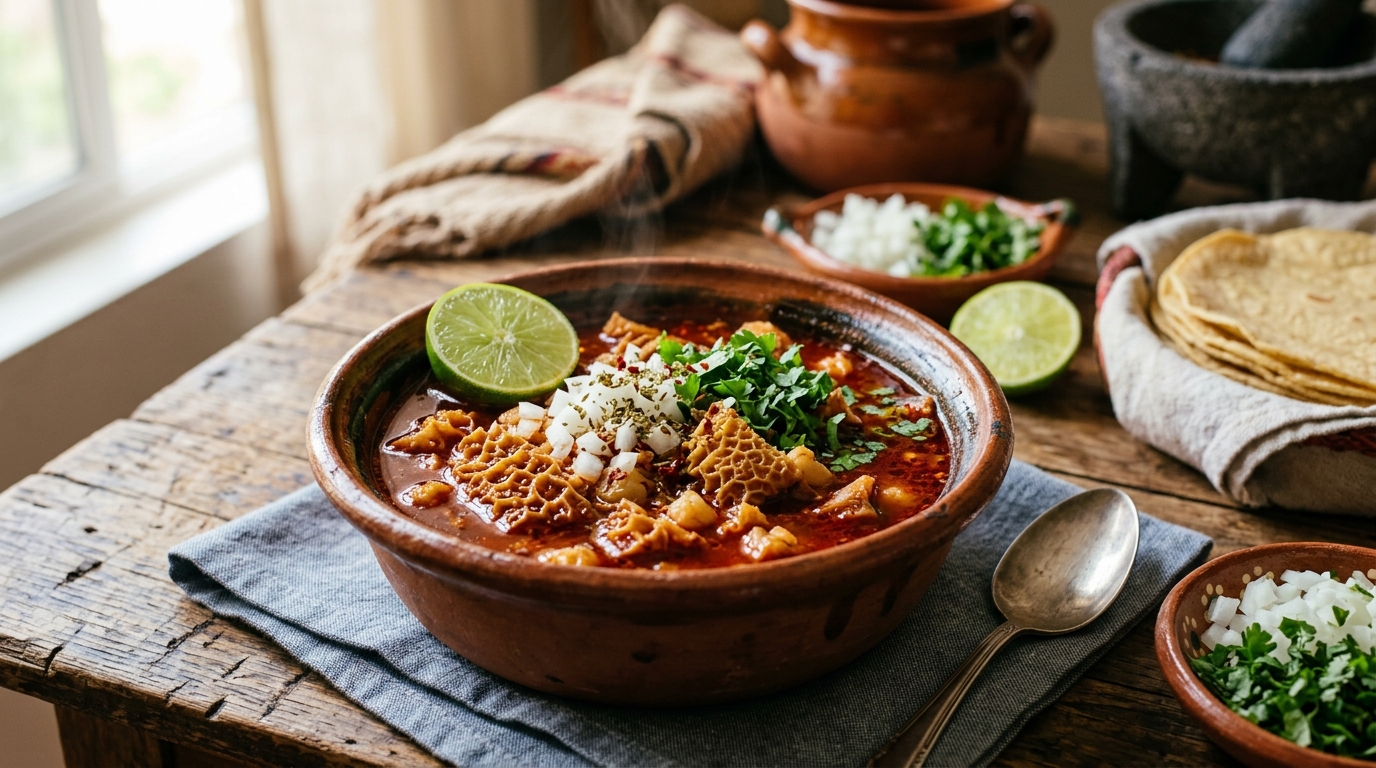
What Does Tripe Look Like?
The visual appearance of tripe varies significantly depending on whether it is fresh or commercially dressed, as well as which stomach chamber it originates from:
- Uncleaned ("Green") Tripe: Untreated stomach lining that retains natural digestive pigments, appearing brownish-green or greyish-black. It is primarily used in raw pet nutrition and requires heavy scrubbing and parboiling before human consumption.
- Cleaned & Bleached Tripe: Commercial tripe sold at butchers and supermarkets is thoroughly washed, scalded, and bleached (typically with hydrogen peroxide or lime solution), giving it a clean, creamy white or pale yellowish color.
- Surface Patterns: Depending on the stomach chamber, tripe ranges from smooth flat sheets to intricate raised honeycomb grids or tightly layered book-like folds.
What Does Tripe Taste Like?
Tripe has a remarkably mild, subtle, and neutral flavor profile with faint earthy and savory undertones. Because it does not possess a strong metallic or iron taste like liver, tripe functions as a culinary sponge. It absorbs the complex flavors of garlic, chilies, onion, citrus, red wine, tomatoes, and aromatic broths during long simmering sessions.
What Is the Texture of Tripe?
Texture is tripe's defining culinary characteristic. When raw or undercooked, tripe is dense, tough, and rubbery. However, when slow-simmered over low heat for 2 to 4 hours, the dense collagen fibers soften into a tender, velvety, and satisfyingly chewy mouthfeel. As it cooks, natural gelatin dissolves into the surrounding liquid, giving soups and stews a rich, luxurious body.
Types of Tripe (The Four Stomach Chambers)
Ruminant animals possess a four-chamber stomach system. Each chamber produces a distinct type of beef tripe with unique structural features and culinary uses:
1 Blanket Tripe (Flat / Smooth Tripe — Rumen)
Harvested from the first stomach chamber (rumen), blanket tripe is flat, smooth, and forms the thickest muscular sheet. Because its smooth surface lacks ridges or pockets to trap sauce, blanket tripe is less porous. It is commonly used in commercial sausage manufacturing, pet foods, or long-simmered stews where it is sliced into thin strips.
2 Honeycomb Tripe (Reticulum)
Derived from the second stomach chamber (reticulum), honeycomb tripe is the most tender and culinarily prized variety. Its inner wall features a geometric raised grid pattern resembling a honey bee comb. These raised pockets trap broths, sauces, and spices, making honeycomb tripe the preferred cut for premium soups like Mexican menudo and Italian trippa.
3 Omasum Tripe (Book / Leaf Tripe)
Sourced from the third stomach chamber (omasum), book tripe consists of thin, parallel folds or leaves reminiscent of book pages. Omasum tripe cooks quickly and offers a lighter, crunchier texture. It is extremely popular in East Asian cuisines, featured in Cantonese dim sum, Sichuan hot pots, and traditional Vietnamese Pho noodle soups.
4 Reed Tripe (Abomasum)
Originating from the fourth chamber (abomasum), which is the true acid-secreting stomach, reed tripe has a softer, smoother, and slightly glandular structure. It is famous in Italian culinary tradition as the core ingredient in Florence's iconic lampredotto street food sandwiches.
Tripe Around the World
Across Latin America, Asia, Europe, and Africa, tripe has inspired iconic comfort food dishes that celebrate traditional nose-to-tail culinary heritage:
| Cuisine / Region | Dish Name | Culinary Preparation & Characteristics |
|---|---|---|
| Mexico | Menudo | Honeycomb tripe slow-cooked in a red guajillo chili broth with hominy, oregano, lime, and fresh cilantro. |
| Vietnam | Phở (Phở Sách) | Thinly sliced crunchy omasum (book) tripe served alongside beef brisket in aromatic star anise bone broth. |
| Spain | Callos a la Madrileña | Madrid-style stew of beef tripe braised with spicy chorizo, blood sausage, chickpeas, and paprika. |
| Italy (Florence) | Lampredotto | Simmered reed tripe served inside a crusty bun dipped in savory broth and topped with green herb sauce (salsa verde). |
| Italy (Rome) | Trippa alla Romana | Beef tripe braised with peeled tomatoes, white wine, fresh mint leaves, and finished with grated Pecorino Romano. |
| China (Cantonese) | Dim Sum Book Tripe | Steamed omasum tripe tossed with ginger, scallions, sesame oil, and light soy sauce. |
| France (Normandy) | Tripes à la Mode de Caen | Normandy stew of all four stomach chambers braised for hours with apple cider, Calvados brandy, and root vegetables. |
How Tripe Is Prepared and Cooked
Proper preparation is critical to achieving clean flavor and ideal tender texture when cooking tripe:
- Rinsing & Cleaning: Butcher-bought tripe is pre-washed, but home cooks should rinse it thoroughly under cold running water and trim off excess surface fat or impurities.
- Parboiling / Blanching: Tripe is placed in a pot of cold water with vinegar, lemon juice, or salt, brought to a boil for 10–15 minutes, and then drained. This step neutralizes residual aromas and opens muscle fibers.
- Slow Cooking: Tripe must be simmered gently in broth, wine, or tomato sauce over low heat for 2 to 4 hours (or pressure-cooked for 45–60 minutes) until tender to the fork.
What Is Tripe Used For?
Beyond home cooking, tripe plays a functional role in global foodservice and food manufacturing:
- Soups & Broths: Adds gelatinous body and texture to chili-based stews and noodle soups.
- Street Food & Sandwiches: Served as a featured specialty meat filling in regional sandwiches (like Italian lampredotto or Mexican tacos de tripa).
- Commercial Food Production: Used in sausage casing production, canned specialty stews, and high-protein pet nutrition.
Tripe vs. Intestine: What Is the Difference?
Though tripe and intestine are both classified as digestive offal, they come from entirely different anatomical organs and exhibit distinct culinary properties:
| Feature | Tripe | Intestine |
|---|---|---|
| Anatomical Source | Stomach wall lining (rumen, reticulum, omasum, abomasum) | Lower gastrointestinal tract (small or large intestine) |
| Physical Structure | Flat, honeycombed, or layered muscular tissue sheets | Hollow, tubular casing with interior fat lining |
| Flavor Profile | Very mild, neutral, subtle earthy notes | Stronger, more mineral, fatty, and savory flavor |
| Common Dishes | Menudo, Pho, Callos, Lampredotto, Trippa alla Romana | Chitterlings (chitlins), Korean Gopchang, Sausage casings |
Tripe vs. Other Offal Cuts
Offal refers to organ meats and non-skeletal muscle cuts. Understanding where tripe fits helps contextualize its culinary role alongside other specialty meats:
- Tripe: Stomach wall muscle; neutral flavor, highly collagenous, gelatinous when braised.
- Liver: Glandular organ; dense, metallic, iron-rich, strong distinct flavor.
- Kidney: Glandular organ; firm texture, pungent mineral profile.
- Heart & Tongue: Pure skeletal muscle tissue; dense, lean, and deeply beefy.
How Tripe Is Used in Food & Cooking
Tripe is used across traditional home cooking, restaurant broth preparations, and commercial food manufacturing. It is primarily simmered in slow-cooked stews, soups, and hot pots where its gelatinous texture enhances broth consistency and absorbs aromatics.
Nutrition & Dietary Profile
Tripe is a lean source of protein rich in natural collagen, zinc, phosphorus, and vitamin B12. Consult standard food composition databases for exact dietary profiles.
Cultural & Culinary Context
Tripe reflects a rich global heritage of nose-to-tail cooking. From Mexican weekend menudo gatherings to Florentine street-side lampredotto kiosks and Cantonese dim sum parlors, tripe represents sustainable, culturally significant culinary traditions.
Common Examples & Dishes
Frequently Asked Questions
What is tripe made from?
Tripe is made from the muscular stomach lining of ruminant farm animals, most commonly cattle (beef tripe).
Is tripe beef?
While beef tripe from cattle is the most widely produced variety, tripe can also come from sheep, lamb, goat, or pork.
What does tripe taste like?
Tripe has a very mild, neutral, and slightly earthy taste. It readily absorbs the flavors of the broths, herbs, and spices in which it is simmered.
Is tripe the same as intestine?
No. Tripe comes specifically from the stomach lining of ruminant animals, whereas intestine comes from the lower gastrointestinal tract.
What is honeycomb tripe?
Honeycomb tripe originates from the second stomach chamber (reticulum) of cattle. It is named for its geometric grid pattern resembling a honey bee comb and is prized for holding rich sauces.
How long does tripe take to cook?
Tripe is typically cleaned, blanched, and then slow-simmered in soups or stews for 2 to 4 hours until tender.