Food Trends 2026 Research Report: Macro Consumer Shifts
A deep research report analyzing emerging ingredient growth, flavor adoption lifecycles, and menu innovation data across North America.

Executive research report highlighting macro consumer shifts, ingredient signals, culinary flavor innovations, and restaurant menu adoption forecasts for 2026.
Executive Summary
Culinary trends in 2026 are anchored in functional nutrition, hyper-regional flavor provenance, whole-food vegetable transformation, and sensory dining experiences. As consumers prioritize protein-dense satiety, gut health, and clean label transparency, culinary development teams across QSR, fast-casual, and upscale dining are re-engineering menus to showcase bold global seasonings, house fermentations, adaptogenic drinks, and artisan small plates.
Macro Consumer Shifts
Four foundational consumer macro shifts drive culinary innovation in 2026:
1. Satiety & High-Protein Macro Transparency
Driven by GLP-1 weight-loss medications and active macro-tracking lifestyles, diners seek meals offering 30g to 50g of protein per serving. Restaurants highlighting protein metrics directly on menus experience higher order conversion and customer loyalty.
2. Hyper-Regional Flavor Authenticity
Generic 'Asian' or 'Latin' flavor labels have been replaced by precise regional sourcing. Flavors like West African suya spice rub, Japanese yuzu kosho, North African harissa, and Korean gochujang lead menu expansion across handhelds and wings.
3. Whole-Food Plant-Forward Innovation
Diners prefer whole vegetables, specialty mushrooms, and heirloom grains over lab-processed ultra-processed meat analogs. Techniques like wood-firing, charring, and koji curing transform vegetables into centerpiece main courses.
4. Zero-Proof & Functional Beverage Pairing
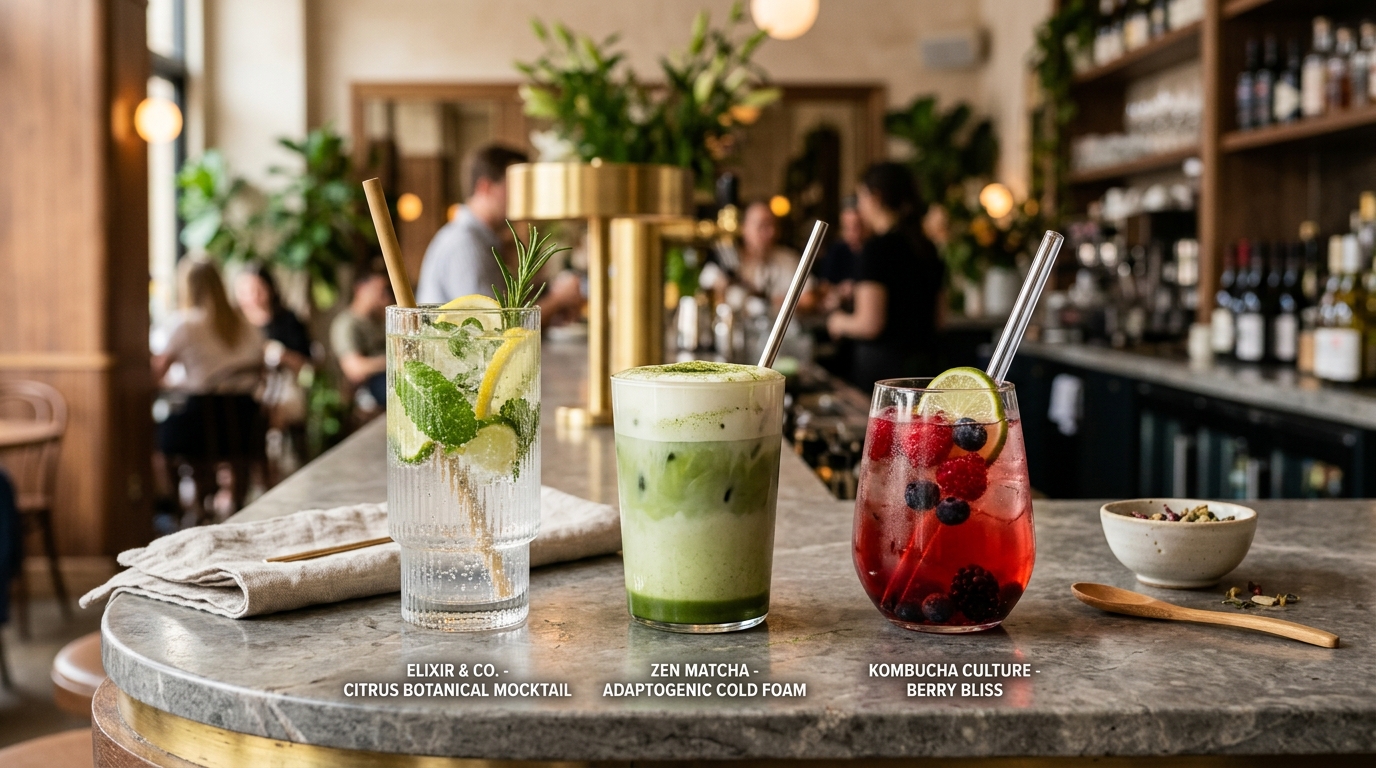
Wellness awareness fuels rapid demand for mixology-grade zero-proof mocktails, adaptogen cold brews, and prebiotic sparkling sodas, transforming drink menus into high-margin revenue drivers.
Consumer Signals & Market Indicators
Social media analytics and POS ordering data confirm strong consumer signals:
- Spicy-Sweet Glaze Surge: Menu items featuring 'Hot Honey' or 'Spicy Sweet Glaze' experience 28% higher order frequency.
- Artisanal Fermentation Interest: 60%+ of surveyed diners enjoy tangy lacto-pickled garnishes and kimchi accents on bowls and burgers.
- Snackification Growth: 42% of consumers replace traditional structured lunches with mid-afternoon mini meals or small plate samplers.
- Clean-Label Ingredient Scrutiny: Over 70% of diners prioritize recognizable ingredients with minimal processing and zero synthetic additives.
Ingredient & Category Trend Forecast
Top-performing culinary ingredients categorized by menu application:
- Proteins & Dairy: Cottage cheese spreads, Greek yogurt bases, braised turkey carnitas, edamame wraps, and bone broth rice.
- Citrus & Seasonings: Yuzu Kosho, black lime, calamansi, harissa paste, suya spice, and smoked sea salt.
- Produce & Mushrooms: Lion's mane, maitake, wood-fired brassicas, heirloom grains, and sprouted legumes.
- Beverages: Adaptogenic cold foam matcha, sparkling prebiotic fruit sodas, and zero-proof botanical spirits.
Restaurant Business & Operational Implications
Culinary teams must balance trend adoption with line prep efficiency. The most profitable trend execution strategies utilize concentrated spice pastes, house-pickled garnishes, and functional beverage syrups that cross-utilize existing pantry SKUs without creating kitchen line bottlenecks.
Agile LTO Launch Strategies for Menu Testing
Testing emerging food trends via 6-to-8 week Limited Time Offers (LTOs) minimizes supply chain commitment risks while generating promotional buzz. Featuring LTOs exclusively on mobile app ordering channels drives digital downloads and loyalty member engagement while providing culinary teams with real purchasing data before making permanent menu commitments.
Packaging & Presentation Architecture for Delivery
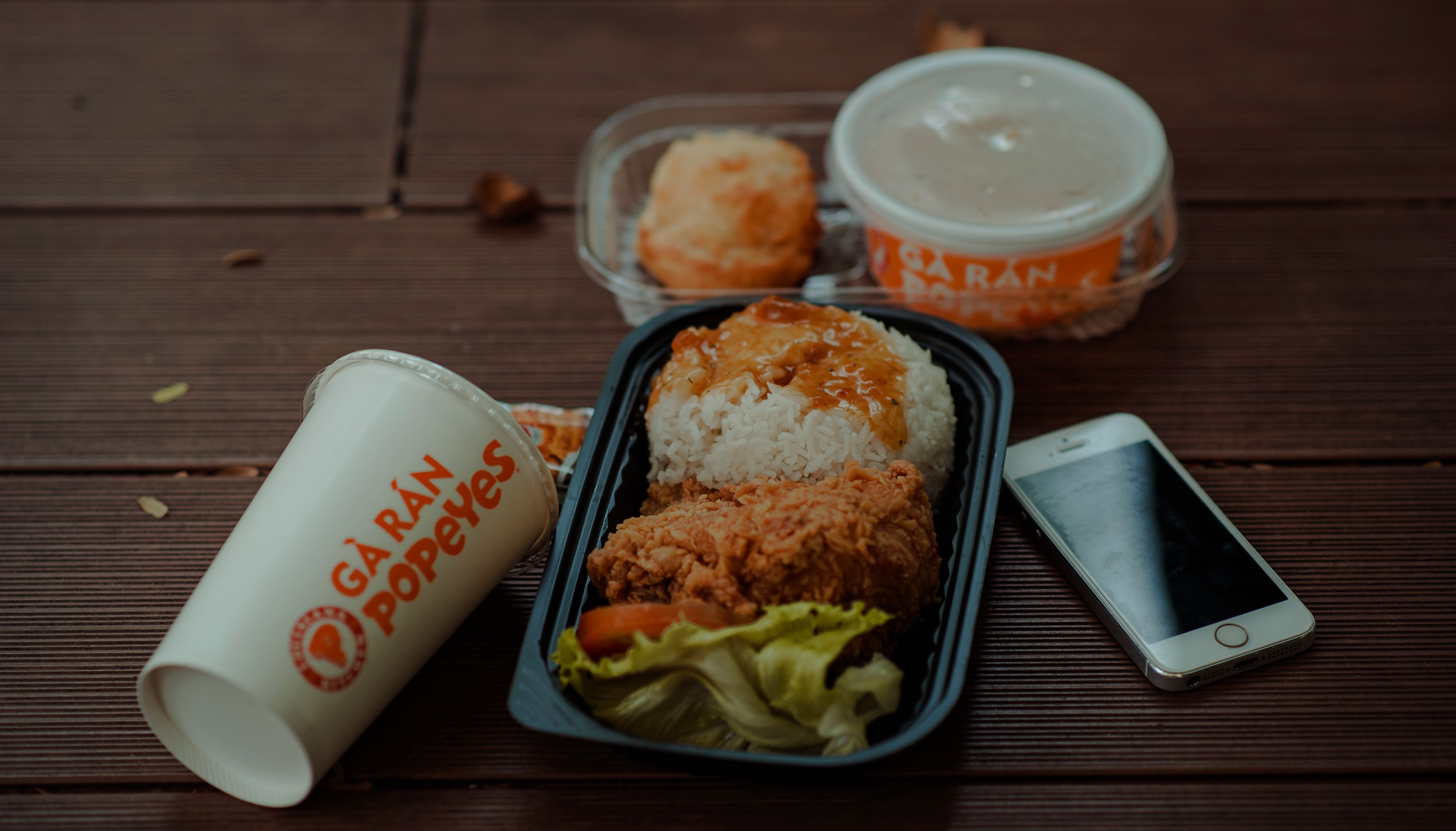
Translating trend items to delivery requires robust eco-friendly packaging. Utilizing ventilated sugarcane containers and separate side sauce cups ensures that crispy textures, glistening glazes, and visual layers arrive intact, protecting digital review ratings across third-party delivery marketplaces.
What to Watch in Upcoming Culinary Cycles
Watch for sea vegetable integration (kelp, sea lettuce), spicy-sweet applications entering the dessert category, and automated AI recipe customization across fast-casual ordering kiosks.
Culinary Provenance & Sourcing Storytelling on Menus
Modern diners respond strongly to transparent ingredient origin stories. Menus that highlight specific regional provenance—such as 'Single-Origin Japanese Yuzu', 'West African Suya Spice', or 'Local Wildflower Hot Honey'—achieve 18% higher order conversion and support premium price positioning compared to generic menu terms.
The Expansion of Global Spice Accents in Breakfast Dayparts
Global seasonings are expanding rapidly beyond lunch and dinner into morning breakfast menus. QSR and fast-casual concepts are introducing harissa-spiced egg wraps, gochujang-glazed bacon biscuits, and spicy chai botanical lattes, capturing high-margin morning breakfast sales through bold flavor differentiation.
Translating Macro Food Trends into Operational Menu Items
Successful trend execution relies on introducing novel flavor profiles via low-risk, versatile menu vehicles such as sauce glazes, dipping cups, or seasonal drink specials. Culinary teams can capture high consumer interest for global seasonings and functional beverages while keeping kitchen line prep simple and food costs controlled.
Transparent Sourcing & Regional Culinary Provenance
Consumer research confirms that clear ingredient provenance boosts order conversion. Highlighting regional origin details—such as 'Single-Origin Japanese Yuzu', 'West African Suya Spice', or 'Local Wildflower Hot Honey'—increases dish order conversion by 18% and supports premium menu price positioning.
Global Flavor Expansion into Morning Dayparts
Global seasonings are expanding rapidly beyond lunch and dinner into morning breakfast menus. QSR and fast-casual concepts are introducing harissa-spiced egg wraps, gochujang bacon biscuits, and spicy chai botanical lates, capturing high-margin morning breakfast sales through bold flavor differentiation.
Integrating Trend Insights into Quarterly Menu Engineering
Commercial culinary development teams utilize trend research data to plan quarterly menu rotations. Evaluating emerging ingredient signals allows chefs to design limited-time offers (LTOs) that feature trending seasonings and functional drinks, capturing guest enthusiasm while optimizing kitchen food cost ratios.
Related FoodColumn Trends & Analysis
Read our deep-dive pillar guide in Food Trends Shaping 2026, analyze global flavor trends in Global Flavors on Restaurant Menus, check protein trends in The Rise of High-Protein Foods, examine menu shifts in How Restaurant Menus Are Changing, and view consumer research in Restaurant Consumer Trends Research 2026.
Frequently Asked Questions
What is the biggest food trend shaping restaurant menus in 2026?
Satiety-driven high-protein dining, accompanied by hyper-regional flavor provenance (yuzu, harissa, gochujang, suya spice), leads consumer menu demand.
Why are consumers preferring whole vegetables over fake meat substitutes?
Diners prefer clean-label ingredients, recognizable whole foods, and natural roasting techniques over complex ultra-processed industrial food binders.
How can restaurants test new food trends with minimal risk?
By launching 6-to-8 week Limited Time Offers (LTOs) using concentrated sauces or glazes that cross-utilize existing kitchen pantry ingredients.
Which beverage category is experiencing highest menu growth?
Functional beverages—including prebiotic sparkling sodas, adaptogenic cold brews, and mixology-grade zero-proof mocktails—lead beverage growth.
What is 'snackification' and how does it affect restaurant menus?
Snackification is the shift toward eating smaller, flexible mini meals throughout the day, driving demand for all-day small plates, sliders, and protein snack boxes.