Food & Restaurant Industry Outlook Report 2026
An executive summary of macro economics, consumer dining frequency, technology investments, and operational margins across commercial foodservice.


The Food & Restaurant Industry Outlook 2026 provides a comprehensive analysis of macroeconomic shifts, consumer spending patterns, labor dynamics, technology adoption, and operational strategies across commercial foodservice.
Executive Summary
The restaurant industry in 2026 is defined by margin optimization, digital channel consolidation, and value-driven consumer behavior. While top-line sales continue to grow driven by off-premise demand and strategic price adjustments, operating margins remain under pressure from wholesale food costs, commercial rents, and labor expenses. Success in 2026 requires operators to master kitchen technology, streamline menu offerings, and optimize off-premise fulfillment infrastructure.
Key Findings & Industry Indicators
Our comprehensive evaluation of commercial foodservice data highlights six core industry shifts:
- Digital Sales Share Stability: Digital ordering (mobile apps, web portals, kiosks, third-party delivery) accounts for 38% to 52% of total QSR and fast-casual revenue.
- Value-Driven Consumer Mindset: Guests are scrutinizing check totals, prioritizing satisfying portions, high-protein macro value, and loyalty rewards.
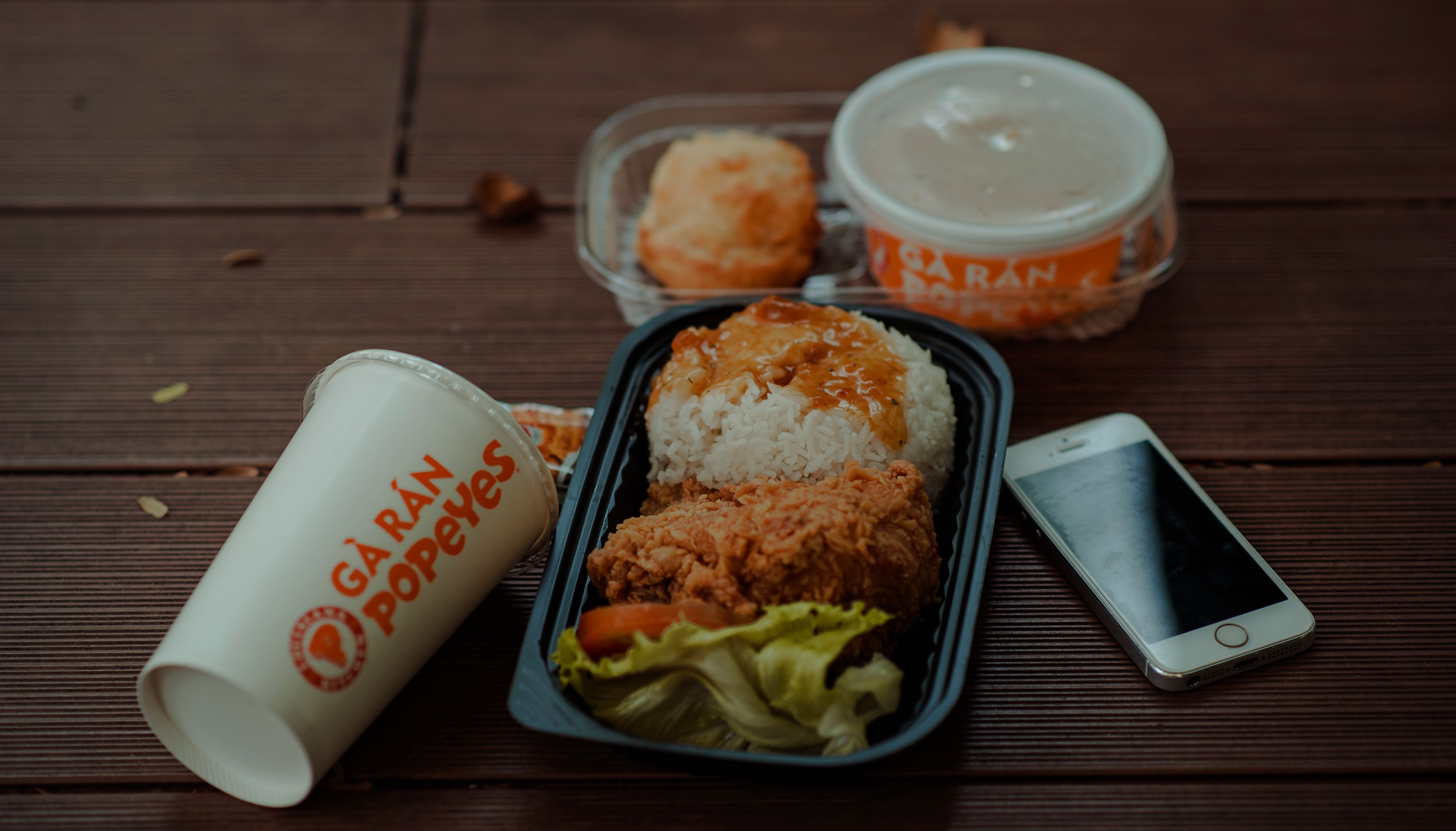
- Off-Premise Infrastructure Focus: Operators are investing in dual-lane drive-thrus, mobile pickup windows, and optimized takeout packaging.
- Automation & AI Adoption: Conversational voice AI, kitchen display systems (KDS), and predictive inventory software are transitioning from competitive advantages into operational standards.
- Suburban Trade Area Dominance: Suburban fast-casual and QSR locations continue to outperform traditional central business district store formats.
- Menu Engineering Streamlining: Chains are reducing core menu item counts by 15% to 20% to cut prep labor and inventory waste while introducing rotation-based LTOs.
Market Context & Economic Environment
Commercial restaurant operators are navigating a stabilized yet highly competitive economic landscape. While post-pandemic inflation spikes have moderated, cumulative cost increases across prime beef, poultry, dairy, and energy have established a higher baseline operating cost structure. To protect gross margins, operators are turning away from aggressive menu price hikes—which risk alienating price-sensitive diners—and focusing instead on internal operational efficiencies, food waste reduction, and intelligent labor scheduling.
Major Trends Shaping 2026 Foodservice
Four primary macro trends define restaurant strategy across QSR, fast-casual, and casual dining segments:
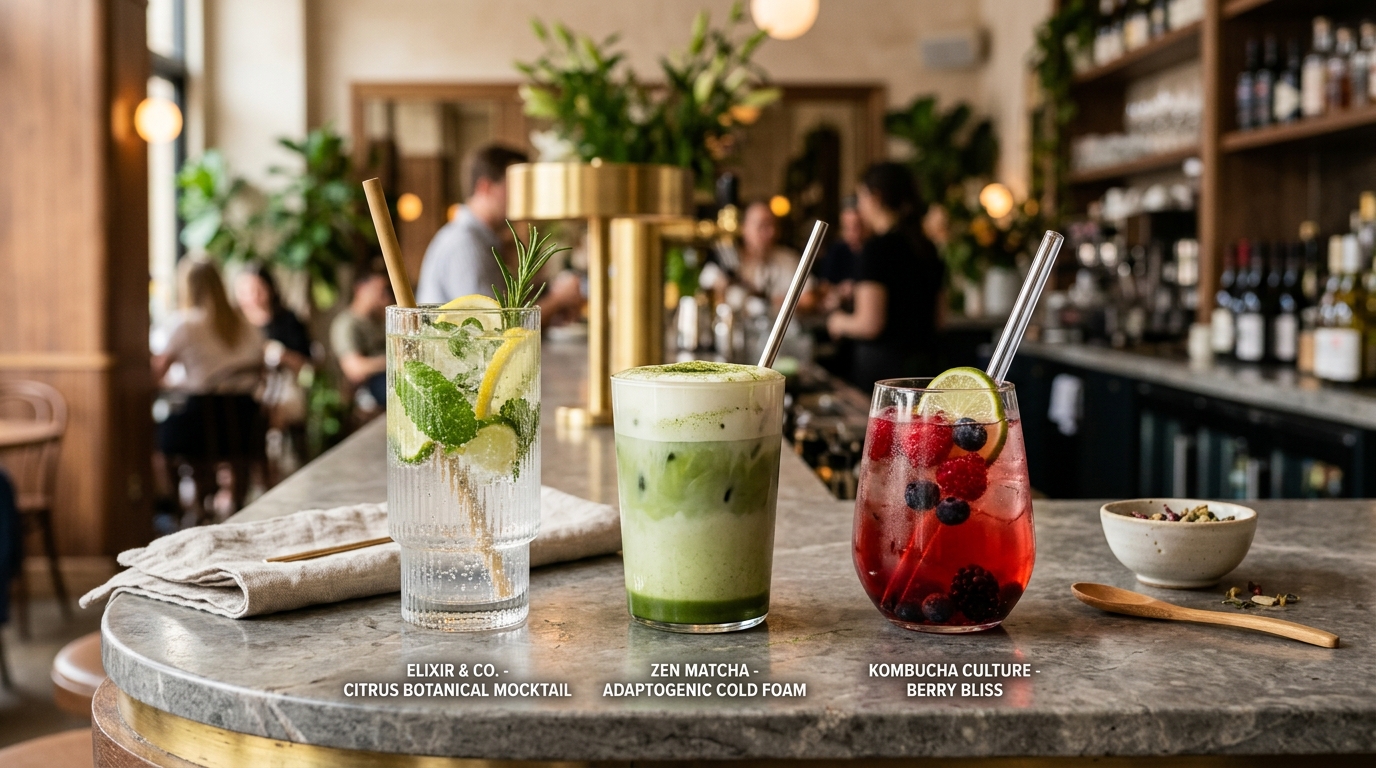
- 1. Functional Nutrition & Satiety Focus: High-protein meal options, whole vegetable innovation, and functional beverages dominate consumer ordering growth.
- 2. Compact Prototype Real Estate: Smaller store footprints (1,000 to 1,600 sq ft) with zero or reduced indoor dining rooms maximize throughput per square foot.
- 3. First-Party Loyalty Gamification: Brands are investing in direct mobile app platforms with gamified rewards to reduce reliance on third-party marketplace commissions.
- 4. Sustainable Packaging Compliance: Municipal plastic bans and PFAS regulations necessitate widespread adoption of certified compostable packaging solutions.
Restaurant Business & Operational Implications
For multi-unit franchise operators and independent restaurant owners, surviving and thriving in 2026 requires strict fiscal discipline and technology deployment. Operators must cross-utilize core pantry ingredients across multiple menu items to maintain high inventory turns. Investing in modern cloud POS platforms and kitchen display screens accelerates order throughput while providing real-time visibility into daily prime cost percentages (labor + COGS).
Labor Model Transformation & Skill Re-Allocation
Rising wage floors across major markets require restaurant managers to rethink kitchen staffing structures. Rather than reducing total staff, leading operators use self-service kiosks and automated order-taking to re-allocate labor hours from cashier counters to food assembly accuracy, table delivery, and dining room cleanliness. Cross-training staff across multiple prep stations ensures kitchen agility during unexpected volume spikes.
Supply Chain Resilience & Local Sourcing Partnerships
Navigating food supply volatility requires multi-sourcing strategies and direct regional supplier relationships. Chains are contracting directly with regional agricultural co-ops to lock in annual pricing for core poultry, produce, and dairy supplies. Flexible menu descriptions allow kitchens to swap in-season vegetables based on market availability, protecting food margins during regional crop disruptions.
Key Takeaways for Foodservice Leaders
1. Prioritize line speed and order accuracy across off-premise channels.
2. Harness first-party digital app data to drive customer retention.
3. Protect margins through inventory tech and menu cross-utilization.
4. Re-engineer store footprints around high-yield compact prototypes.
Methodology & Source Notes
This report synthesizes point-of-sale transactional data, commercial foodservice surveys, broadline distributor volume tracking, and public financial disclosures across national QSR, fast-casual, and casual dining operations. All metrics represent aggregated industry benchmarks.
Capital Investment & Real Estate Development Forecast
Restaurant capital allocation in 2026 is focused heavily on digital infrastructure and non-traditional real estate. Multi-unit franchise groups are directing 60% of capital expenditure toward store remodels that add second drive-thru lanes, digital pickup lockers, and high-efficiency kitchen display hardware. Real estate expansion prioritizes high-traffic suburban endcaps, travel plazas, and drive-thru-only pads, where lower site development costs deliver accelerated store payback periods.
Risk Management & Food Supply Chain Hedging
Navigating food commodity volatility requires proactive risk management strategies. Forward-thinking foodservice directors utilize long-term forward contracts and multi-vendor broadline sourcing to cap wholesale price exposure on high-turn items like chicken, beef, cheese, and cooking oils. Establishing flexible quarterly menu rotations protects operating margins against unexpected weather disruptions and global supply chain bottlenecks.
Strategic Priorities for Restaurant Operators in 2026
To maintain market leadership in 2026, commercial operators must focus on three core operational pillars: 1) Deploying open-API cloud technology stacks that unify POS, KDS, and inventory management; 2) Engineering lean menus around high-protein satiety and versatile pantry ingredients; and 3) Expanding compact store footprints optimized for off-premise pickup and drive-thru speed.
Related FoodColumn Reports & Guides
Explore detailed market data in Restaurant Industry Statistics 2026, analyze consumer habits in Restaurant Consumer Trends Research 2026, examine technology strategies in The Essential Restaurant Technology Guide, and check financial metrics in Restaurant Industry Benchmarks 2026.
Frequently Asked Questions
What is the overall sales outlook for the restaurant industry in 2026?
Foodservice revenue growth remains positive, driven primarily by off-premise digital orders, drive-thru expansion, and high-protein menu innovation.
How are restaurant chains protecting operating margins in 2026?
Operators are streamlining menu offerings, adopting predictive AI inventory tools, reducing store square footage, and leveraging self-service kiosks.
What percentage of QSR sales are digital in 2026?
Digital sales channels (mobile apps, delivery, kiosks, online portals) represent 38% to 52% of total sales at leading fast-casual and QSR chains.
Why are smaller store footprints becoming standard?
Smaller footprints (1,000-1,600 sq ft) lower real estate development capital, reduce monthly occupancy costs, and focus resources on high-margin off-premise orders.
What food trends are driving consumer dining spend?
High-protein power bowls, whole vegetable plant-forward options, authentic global glazes, and functional beverages drive highest consumer demand.