Functional Beverages in Restaurants: Ingredients, Formats and Menu Trends
An operational and editorial analysis of how restaurants, cafés, and fast-casual concepts integrate functional beverages, ingredients, formats, and lower-sugar trends into beverage menus.
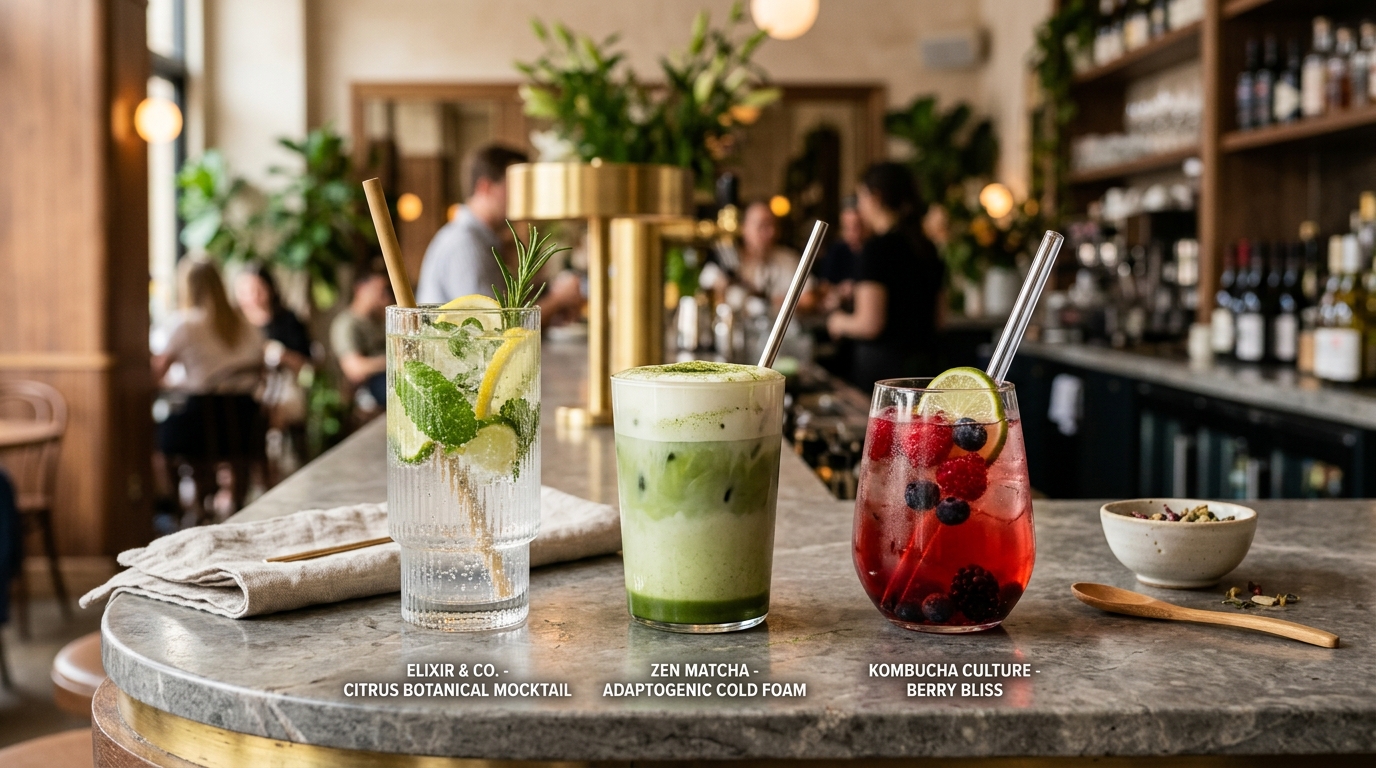
Across commercial foodservice, the traditional non-alcoholic beverage menu is undergoing a quiet yet structural transformation. While carbonated soft drinks and iced teas have long dominated restaurant fountain stations, dining room guests across fast-casual chains, independent cafés, QSRs, and upscale bars are increasingly seeking drinks formatted with active attributes. From electrolyte-infused quenchers and fermented tonic bases to botanical teas and sparkling prebiotics, functional beverages in restaurants are moving from specialized juice bars directly onto core dining menus.
This movement reflects broader macro shifts in consumer behavior. Diners are scrutinizing liquid calories, seeking lower-sugar alternatives, and treating beverage selection as an integral component of the overall dining experience. For foodservice operators, incorporating functional beverages offers a compelling commercial opportunity: expanding beverage attachment rates, elevating check averages with high-margin signature drinks, and capturing non-alcoholic beverage revenue without adding excessive kitchen line complexity. As analyzed in FoodColumn’s foundational overview on functional beverage trends, beverage programs are becoming one of the most agile channels for restaurant menu innovation.
What Are Functional Beverages?
In a commercial foodservice context, a functional beverage is defined as any drink formulated, enhanced, or marketed around a specific functional attribute beyond basic refreshment or caloric intake. These attributes may include targeted hydration, plant-based energy, gut-friendly fiber or cultures, botanical herbal infusions, or reduced sugar profiles.
To understand how these products fit onto restaurant menus, it is useful to distinguish functional beverages from adjacent drink categories:
- Traditional Soft Drinks: Standard carbonated sodas formulated primarily with high-fructose corn syrup or sugar, artificial flavorings, and caramel coloring, designed purely for sweet refreshment.
- Functional Beverages: Drinks containing targeted ingredients—such as electrolytes, probiotics, prebiotics, adaptogens, or plant extracts—positioned around specific functional attributes or lower-sugar formulation.
- Wellness Beverages: A broader consumer umbrella term covering any drink perceived by consumers as wholesome, natural, or lifestyle-oriented (including coconut water, green tea, or cold-pressed orange juice). Importantly, not all wellness beverages qualify as functional beverages unless formulated with specific functional additives or concentrated botanical components.
- Energy Drinks: High-caffeine formulations containing synthetic taurine, guarana, or high doses of B-vitamins aimed specifically at physical stimulation, often carrying intense sweetness and carbonation.
- Non-Alcoholic Beverages: The overarching category encompassing all zero-proof drinks, ranging from tap water and fountain cola to complex zero-proof craft mocktails.
Why Are Restaurants Adding Functional Beverages?
Restaurant operators rarely add new SKUs to their beverage inventory without clear operational and financial incentives. The rapid expansion of functional beverages across commercial foodservice is driven by several commercial factors:
- Heightened Consumer Curiosity: Diners are increasingly familiar with specialty beverage ingredients from retail grocery aisles and are eager to try novel formats when dining out.
- Menu Differentiation: In competitive markets, offering signature botanical drinks or house-made prebiotic sodas sets a concept apart from competitors relying solely on standard fountain soda contracts.
- Premium Pricing & High Gross Margins: While standard fountain drinks sell for $2.50 to $3.50, functional beverages routinely command retail price points between $5.00 and $8.50, delivering favorable contribution dollars per transaction.
- Customization & Add-On Sales: Functional syrup concentrates, wellness shots, or adaptogenic foams allow guests to customize their iced teas, coffees, or sparkling waters for a $1.00 to $2.00 surcharge.
- Elevated Non-Alcoholic Options: Guests looking to reduce alcohol consumption appreciate sophisticated, non-sweet drinks that feel special and pair well with food. Explore more in our report on zero-proof craft mocktails.
- Social-Media-Friendly Presentation: Vibrant natural hues from butterfly pea flower, turmeric, dragonfruit, and matcha create eye-catching drinks that guests share on digital platforms.
- Demand for Lower-Sugar Alternatives: As diners turn away from heavy sodas, lower-sugar botanical waters and prebiotic sodas fill the void without compromising on flavor depth.
Common Functional Beverage Categories
To build a balanced beverage menu, foodservice directors categorize functional drinks by their primary ingredient base and guest consumption occasion:
Electrolyte and Hydration Drinks
Formulated with essential minerals such as sodium, potassium, magnesium, and calcium, electrolyte beverages are positioned around rapid rehydration and daily fluid balance. In fast-casual and QSR settings, coconut water blends, watermelon juice hydrators, and mineral-fortified sparkling waters appeal to lunchtime guests seeking refreshing, clean hydration without artificial sports drink dyes.
Probiotic and Fermented Drinks
Fermented beverages like kombucha, water kefir, and fermented ginger beer contain live bacterial cultures (such as Lactobacillus species) and organic acids. On restaurant menus, draft kombucha served from keg systems offers a crisp, tangy alternative to beer or soda, providing natural effervescence and complex flavor notes that pair exceptionally well with savory dishes.
Prebiotic Drinks
Unlike probiotics which contain live organisms, prebiotic beverages are formulated with non-digestible plant fibers—such as chicory root inulin, agave fiber, or apple cider vinegar—marketed to nourish gut microbiota. Modern prebiotic sparkling sodas replicate classic fruit and cola flavors with 2 to 5 grams of sugar per serving, making them highly popular in fast-casual grab-and-go coolers.
Botanical and Herbal Drinks
Leveraging steeped or extracted herbs, roots, and flowers, botanical drinks utilize ingredients like ginger, turmeric, peppermint, lemongrass, hibiscus, and chamomile. These beverages deliver bold, aromatic flavor profiles naturally, allowing operators to craft signature iced teas and sparkling coolers with zero artificial additives.
Adaptogenic Beverages
In beverage marketing, adaptogens refer to specific botanical herbs and functional mushrooms—such as ashwagandha, reishi, lion’s mane, and holy basil (tulsi)—that are associated in traditional herbalism with stress balance and mental clarity. Operators feature these ingredients in cold brew coffee foam, matcha teas, and evening relaxation coolers, taking care to market their botanical heritage without making unsupported medical claims.
Protein and Nutrient-Enhanced Drinks
Targeting health-conscious and active consumers, protein-fortified smoothies, collagen-infused iced coffees, and oat-milk plant protein shakes provide 15g to 30g of protein per serving. Fast-casual concepts feature these drinks as standalone meal replacements or morning breakfast add-ons.
Low-Sugar and Reduced-Sugar Functional Drinks
Rather than relying on intense artificial sweeteners, reduced-sugar functional drinks utilize real fruit juice concentrates, monk fruit, stevia leaf, or erythritol to keep sugar levels low (1g to 5g per serving). Restaurants offer these formats to accommodate guests managing carbohydrate or calorie intake.
Non-Alcoholic Functional Cocktails and Mocktails
Mixologists are integrating functional shrubs, adaptogenic botanical extracts, and bitter herbal infusions into premium zero-proof cocktails. Served in highball or coupe glassware with elaborate garnishes, these functional mocktails allow non-drinking guests to participate fully in social dining rituals.
Ingredients Showing Up in Functional Beverage Menus
Understanding the core raw materials enables culinary directors to cross-utilize ingredients across kitchen and bar prep stations. The table below outlines key functional ingredients, their culinary roles, and typical menu applications:
| Ingredient / Category | Why It Appears in Beverages | Common Restaurant Formats |
|---|---|---|
| Ginger | Delivers bold spicy bite, digestive warmth, and natural aromatic intensity. | Wellness shots, house ginger beer, spiced teas, shrubs. |
| Turmeric | Provides earthy warm notes and brilliant golden color; associated with botanical wellness. | Golden milk lattes, turmeric-lemon elixirs, cold-pressed juices. |
| Hibiscus | Imparts tart ruby-red color and cranberry-like acidity without added sugar. | Agua frescas, iced herbal teas, sparkling mocktail bases. |
| Mint (Spearmint/Peppermint) | Offers crisp cooling aroma and palate-cleansing notes after meals. | Infused waters, botanical lemonades, zero-proof mojitos. |
| Electrolytes (Pink Salt, Coconut Water) | Formulated for fluid balance and clean, mineralized thirst quenching. | Hydration coolers, post-workout smoothies, draft waters. |
| Probiotics (Live Cultures) | Cultured fermentation producing natural effervescence and tangy notes. | Draft kombucha, fermented water kefir, cultured tonics. |
| Prebiotics (Inulin, Vinegar Fiber) | Plant fibers associated with gut balance; allows sweet flavor with low sugar. | Canned sparkling sodas, apple cider vinegar tonic shots. |
| Protein (Whey, Pea, Collagen) | Provides macronutrient satiety and body composition support. | Matcha protein cold foam, breakfast smoothies, iced coffee boosters. |
| Botanical Extracts (Ashwagandha, Reishi) | Earthy herbal extracts marketed around stress balance and focus. | Adaptogenic cold brew, evening herbal sodas, wellness elixirs. |
| Green & Matcha Tea | Contains naturally occurring L-theanine and caffeine for sustained energy. | Iced matcha lattes, sparkling green tea spritzers, cold brews. |
| Fruit Concentrates (Yuzu, Tart Cherry, Passionfruit) | Delivers intense aromatic fruit flavor and vibrant visual tone with minimal liquid volume. | Flavored sparkling waters, craft syrup bases, signature lemonades. |
Note: Statements regarding beverage ingredients reflect consumer marketing positioning and traditional culinary uses rather than proven medical cures or disease prevention claims.
How Restaurants Are Using Functional Beverages
Rather than creating an isolated, complex beverage division, successful foodservice operators integrate functional options directly into existing service workflows across multiple beverage formats:
- Signature House Beverages: Crafting signature iced teas or lemonades infused with fresh ginger, hibiscus syrup, or mint leaves provides a proprietary drink that guests cannot purchase at retail.
- Draft & Kegged Beverages: Installing keg lines for kombucha, cold brew coffee, and sparkling botanical waters speeds up fountain service to under 10 seconds per pour while ensuring consistent carbonation.
- Smoothies & Protein Bowls: Fast-casual breakfast and lunch concepts blend frozen fruit, Greek yogurt, or plant protein powders into functional meal-in-a-cup offerings.
- Cold-Pressed Juices & Wellness Shots: Offering 2-ounce concentrated ginger-turmeric shots alongside fresh meals provides a quick $3.00 to $4.00 check booster.
- Specialty Teas & Botanical Cold Brews: Infusing cold brew coffee or green tea with adaptogenic foam layers creates visually layered drinks suitable for morning and mid-afternoon dayparts.
- Customizable Booster Add-Ons: Allowing guests to add a pump of prebiotic fruit syrup or a scoop of collagen to any beverage gives guests personalized control over their drink selection.
- Grab-and-Go Refrigerated Display: Stocking premium canned prebiotic sodas and functional sparkling waters in front-counter coolers captures takeout and delivery beverage revenue effortlessly.
Functional Beverage Menu Trends for 2026
According to broadline distributor tracking from Technomic Foodservice Industry Forecasts and consumer menu research from Datassential, ten primary beverage trends define foodservice beverage development in 2026:
- Lower-Sugar Formulations: Operators are reducing added sugar counts across house-made iced teas and sodas, utilizing natural citrus acidity and botanical aromatics to maintain flavor depth.
- Botanical Flavor Profiles: Floral and herbal notes—such as lavender, elderflower, rosemary, and hibiscus—are replacing standard artificial berry flavorings on casual dining menus.
- Ginger-Forward Beverage Expressions: Ginger remains the fastest-growing functional flavor profile across both alcoholic and non-alcoholic menus due to its recognizable taste and digestive association.
- Electrolyte and Hydration Positioning: Midday diners across QSR and fast-casual segments are replacing fountain colas with coconut-water-based hydration spritzers.
- Functional Zero-Proof Mocktails: Bar programs are featuring sophisticated non-alcoholic cocktails built with botanical spirits, bitter herbal shrubs, and adaptogenic extracts for non-drinking guests.
- Draft Fermented Beverages: Multi-tap keg systems serving local draft kombucha and fermented botanical sodas are expanding from specialty coffee shops into casual dining chains.
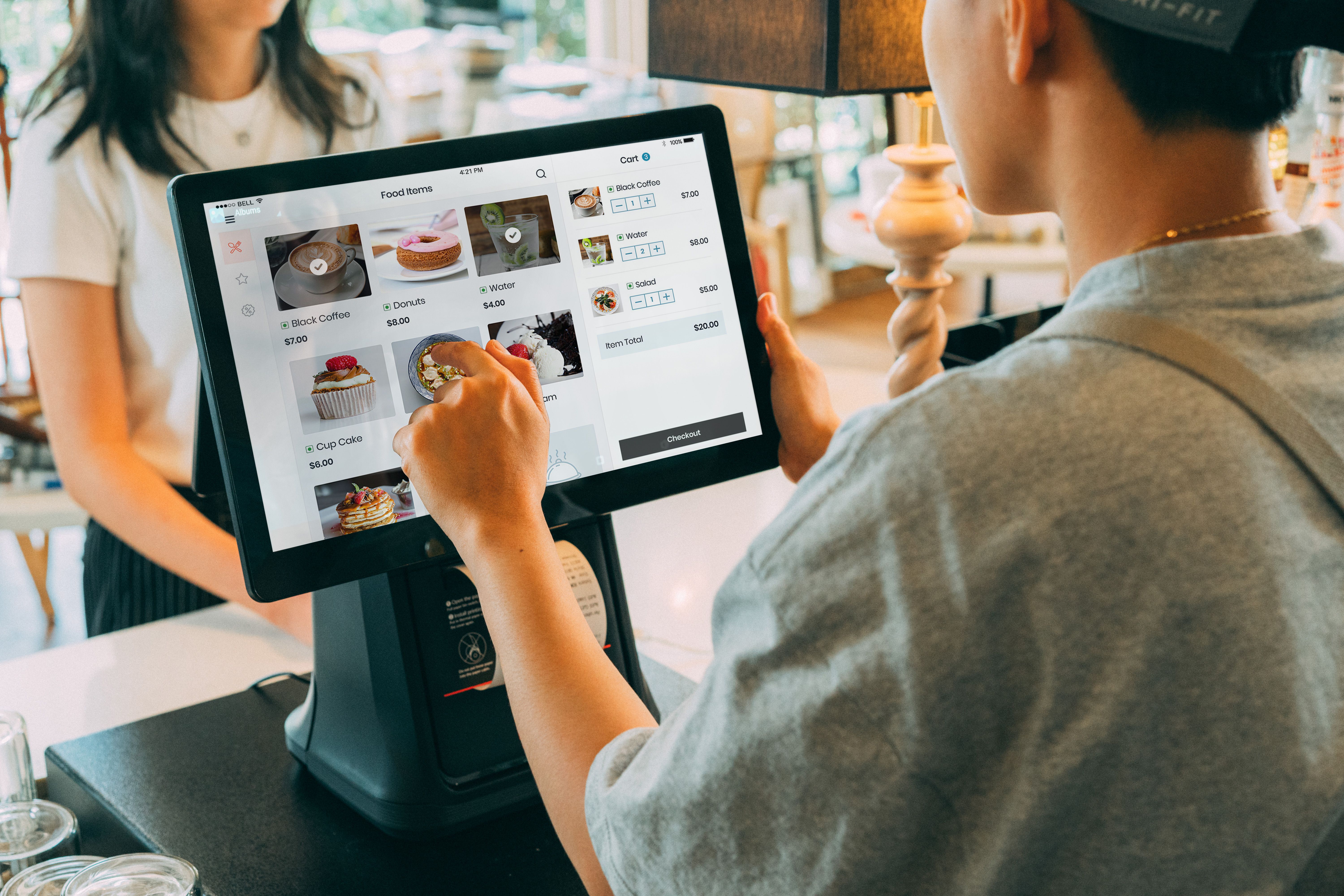
- Personalized Beverage Customization: Digital ordering kiosks and mobile apps allow guests to select custom sweetness levels, base teas, and functional shot add-ons.
- Premium Wellness Beverages: Consumers demonstrate willingness to pay premium price points ($6.00 to $9.00) for specialty drinks that feel like an accessible daily luxury.
- Integration in Cafés & Fast-Casual Chains: Fast-casual leaders are adding house-brewed botanical iced teas and canned prebiotic sodas directly into combo meal meal-deal structures.
- Social-Media-Friendly Presentation: Visually layered matcha cold foams, butterfly pea flower tea transformations, and fresh herb garnishes drive organic customer photos on digital networks.
What Makes a Functional Beverage Work on a Restaurant Menu?
Not every functional beverage concept succeeds on a commercial menu. For restaurant operators, operational feasibility and guest satisfaction depend on balancing several practical factors:
- Flavor First: No functional attribute will rescue a drink that tastes overly medicinal or bitter. Delicious taste and palate balance remain the primary requirement for repeat purchases.
- Clear Menu Descriptions: Describing drinks in clear, enticing language—such as "Sparkling Passionfruit Tea with Refreshing Botanical Mint"—outperforms technical jargon.
- Recognizable Ingredients: Guests order drinks featuring ingredients they know and trust (ginger, green tea, lemon, mint) much more readily than obscure herbal extracts.
- Balanced Price Positioning: Pricing drinks appropriately relative to food menu items ensures guests feel they receive strong perceived value.
- Operational Simplicity & Speed: Drink preparation must take under 30 to 45 seconds during peak volume hours. Utilizing pre-batched syrup concentrates or draft taps prevents service bottlenecks.
- Ingredient Sourcing & Consistency: Sourcing standardized syrup bases or canned beverages ensures flavor uniformity across multi-unit franchise locations.
- Food Pairing Compatibility: Offering crisp, palate-cleansing functional sodas that complement savory food menu items encourages guests to order drinks alongside meals.
For detailed frameworks on optimizing menu pricing and gross contribution margins, consult FoodColumn’s guide on restaurant menu engineering and pricing strategies and our menu engineering matrix overview.
Functional Beverage vs Traditional Soft Drink
Comparing functional beverages with traditional carbonated soft drinks helps clarify their distinct menu roles and commercial performance:
| Feature | Traditional Soft Drink | Functional Beverage |
|---|---|---|
| Primary Purpose | Sweet refreshment and basic thirst quenching. | Targeted hydration, lower sugar, or botanical ingredient experience. |
| Ingredient Positioning | Corn syrup/sugar, artificial flavorings, caramel color. | Botanical extracts, real fruit juice, prebiotics, electrolytes, tea bases. |
| Menu Role | Standard commodity fountain option included in basic combos. | Signature premium drink, customizable add-on, or craft zero-proof option. |
| Customization | Fixed fountain pour with minimal customization options. | High modularity (sweetness levels, functional shot add-ons, foam tops). |
| Perceived Value | Low-to-moderate perceived value ($2.50 - $3.50). | High perceived premium value ($5.00 - $8.50). |
| Typical Formats | Fountain dispensers, 12oz aluminum cans. | Draft keg taps, house bottles, canned spritzers, layered iced cups. |
Are Functional Beverages Just a Trend?
When evaluating beverage innovations, restaurant executives often ask whether functional drinks represent a temporary internet fad or a permanent menu category. The evidence points to a balanced conclusion:
While individual novelty ingredients (such as specific exotic super-berries or niche herbal supplements) will inevitably experience hype cycles and decline, the underlying consumer demand for lower-sugar beverages, botanical flavor complexity, non-alcoholic sophistication, and personalized drink options represents a permanent structural shift. As noted in the National Restaurant Association State of the Industry Report, beverage programs that embrace flexible, modular botanical bases can adapt to evolving guest preferences without rebuilding their operational infrastructure.
How Restaurants Can Build a Functional Beverage Menu
For operators seeking to introduce or expand a functional beverage lineup, the following 8-step practical framework provides a clear roadmap:
- Identify the Customer Occasion: Determine whether your guests are seeking morning energy, lunchtime hydration, afternoon refreshment, or evening zero-proof social drinks.
- Select 3 to 5 Core Concepts: Avoid overwhelming your kitchen. Start with a focused lineup—such as one house botanical iced tea, one draft kombucha, one prebiotic soda, and one wellness shot.
- Choose Recognizable Ingredients: Anchor your recipes around familiar anchor flavors (ginger, mint, lemon, hibiscus, green tea) before introducing niche botanical add-ons.
- Keep Preparation Simple: Pre-batch house syrups or partner with reliable RTD (ready-to-drink) suppliers to ensure drink assembly takes under 30 seconds.
- Test Pricing Strategically: Price functional beverages 30% to 50% above standard fountain sodas while ensuring guest check totals remain within expected dining thresholds.
- Measure Daily Attachment Rates: Track POS sales data closely to evaluate which functional items generate true incremental revenue versus cannibalizing existing drink sales.
- Retain High-Margin Winners: Convert top-performing seasonal LTO drinks into permanent core menu items.
- Remove Low-Performing SKUs: Discontinue slow-moving inventory items quarterly to protect gross margins and streamline storage space.
Related FoodColumn Industry Analysis
To explore broader restaurant trends, consumer behavior studies, and menu strategy frameworks, read our related editorial coverage:
Frequently Asked Questions
What is a functional beverage?
A functional beverage is a drink formulated or marketed with specific functional attributes—such as added electrolytes, prebiotics, probiotics, botanical extracts, or adaptogens—beyond basic hydration and refreshment.
What are examples of functional drinks?
Examples include sparkling prebiotic sodas, fermented kombucha, electrolyte-infused coconut waters, adaptogenic matcha lattes, ginger-turmeric wellness shots, and protein-fortified smoothies.
Why are restaurants adding functional beverages?
Restaurants add functional beverages to differentiate their drink menus, capture higher-margin non-alcoholic beverage sales, cater to guests seeking lower-sugar choices, and offer customizable or signature drinks.
What ingredients are common in functional beverages?
Common ingredients include ginger, turmeric, mint, hibiscus, green tea, electrolytes, lactobacillus probiotic cultures, plant prebiotics, collagen or plant proteins, and botanical herbs.
Are functional beverages healthier than soft drinks?
Functional beverages are often positioned around lower sugar levels, natural botanical flavors, or added nutrients compared to traditional full-sugar sodas, though nutritional profiles vary significantly across individual brands and recipes.
What functional drinks can restaurants offer?
Restaurants can offer signature house iced teas infused with botanicals, draft kombucha, sparkling prebiotic sodas, customizable booster shots, cold-pressed juices, and zero-proof functional mocktails.
What is the difference between a wellness drink and a functional beverage?
While wellness drink is a broad consumer marketing term for beverages associated with healthy lifestyles, a functional beverage specifically features added or naturally occurring functional components marketed for targeted attributes like hydration, energy, or gut balance.
Are functional mocktails part of the functional beverage trend?
Yes. Non-alcoholic beverage programs increasingly incorporate functional elements—such as ashwagandha, botanical syrups, and tart cherry concentrates—into craft mocktails to offer guests sophisticated zero-proof options.