Restaurant Consumer Trends & Dining Behavior Research 2026
A analytical research study evaluating shift in guest dining frequencies, macro nutrient priorities, and off-premise ordering channels.


An in-depth research report evaluating changing consumer dining habits, value perception, digital ordering expectations, and ingredient preferences across commercial dining segments.
Research Overview & Consumer Survey Methodology
Understanding how modern consumers decide where to dine, what to order, and how much to spend is essential for menu engineering and brand marketing. This research report synthesizes consumer survey data, mobile order behavioral tracking, and dining frequency analytics to provide commercial operators with actionable insights into 2026 consumer behavior patterns.
Key Consumer Behavior Findings
Our research identifies five fundamental shifts governing guest dining decisions:
1. The Value Equation Has Shifted from Price to Satiety
Diners no longer define 'value' purely by the lowest dollar price. Instead, value is calculated as a ratio of protein density, portion satisfaction, and food quality relative to price. Consumers report willingness to pay $14 to $16 for a high-protein power bowl that keeps them full for 6 hours, whereas a $10 low-protein item that leaves them hungry feels like poor financial value.
2. Frictionless Convenience Outweighs Ambiance for Weekday Meals
During weekday lunch and dinner occasions, consumers prioritize speed, app ordering ease, clear pickup signage, and drive-thru bypass lanes over interior dining room atmosphere. Friction during digital checkout or long order lines causes 48% of users to abandon orders and choose a competitor app.
3. Demand for Bold Regional Flavors over Generic Spiciness
Diners seek out layered, complex global flavor profiles (yuzu, harissa, gochujang, suya spice, hot honey) over plain heat. Over 62% of surveyed guests state that unique sauce and spice offerings actively influence their restaurant choice when deciding between competing fast-casual concepts.
4. Expectation of Clean Label Transparency & Whole Foods
Consumers examine ingredient lists closely, rejecting hyper-processed artificial substitutes in favor of recognizable whole foods: wood-fired vegetables, clean seed oil prep, natural house fermentations, and unadulterated lean proteins.
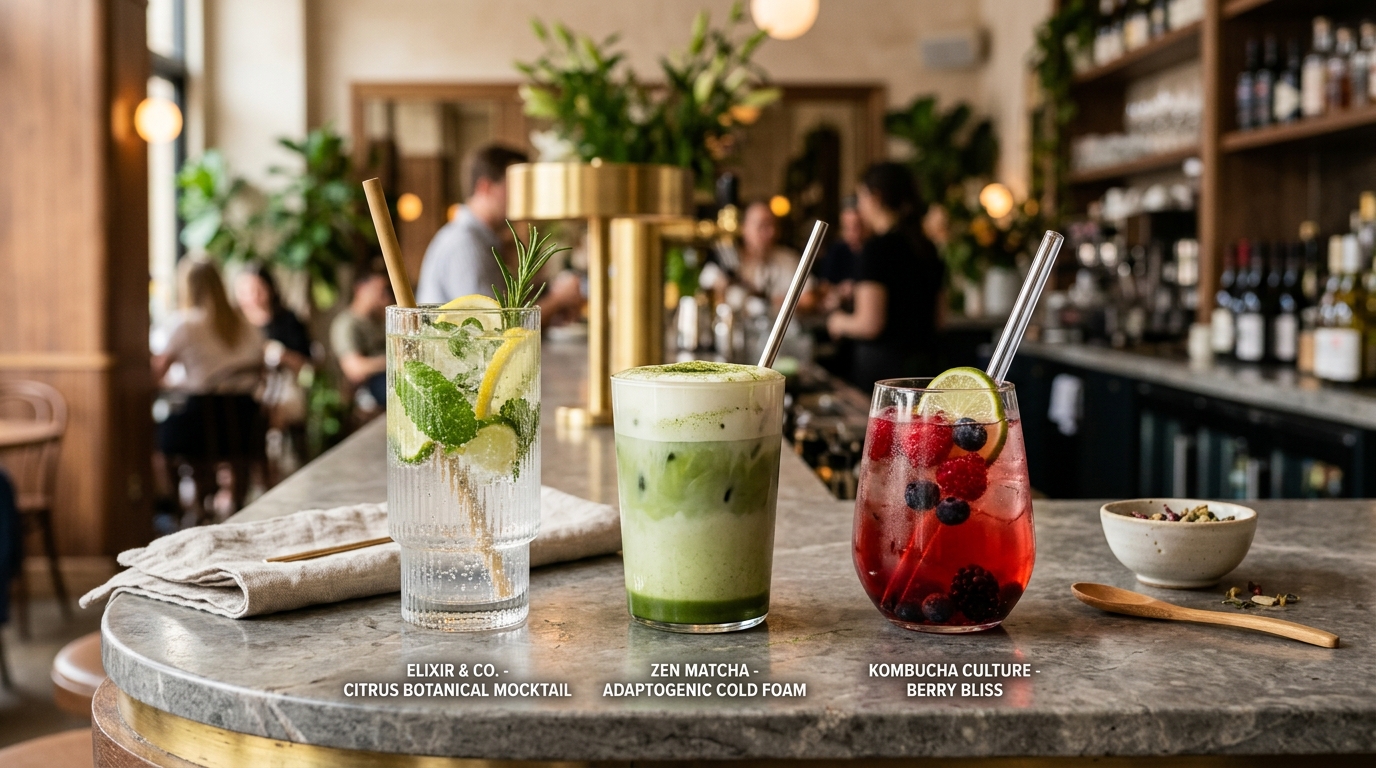
5. Growth of Alcohol-Free & Functional Beverage Pairing
Sober-curious dining and wellness awareness drive rapid adoption of zero-proof craft mocktails, adaptogen cold brews, and prebiotic sparkling sodas. Guests willingly spend $8 to $12 on handcrafted non-alcoholic beverages during meal outings.
Industry & Commercial Business Applications
Restaurant marketing and culinary development teams can translate these consumer insights into direct revenue growth:
- Menu Formatting: Highlight protein gram count (e.g., '42g Protein') and preparation technique on digital menu boards.
- Digital Order Flow UX: Simplify mobile app checkouts to under 3 taps for returning loyalty guests.
- LTO Sauce Innovations: Introduce global flavor glazes as quick, high-margin sauce add-ons.
- Beverage Program Expansion: Add draft kombucha, prebiotic sodas, and zero-proof mocktails to elevate check totals.
Demographic Sub-Segment Analysis (Gen Z vs. Millennials vs. Boomers)
Dining behavior varies significantly by demographic cohort. Gen Z diners prioritize mobile app ordering, viral social media menu items, and non-alcoholic craft drinks. Millennials focus heavily on high-protein macro balance, family combo value, and clean-label ingredient transparency. Older demographics prioritize warm human hospitality, clear physical menu typography, and traditional seating comfort.
Impact of Hybrid Work Models on Meal Dayparts
Widespread hybrid work schedules have permanently altered traditional meal daypart volumes. Tuesday through Thursday experience peak suburban lunch pickup traffic, while Monday and Friday see elevated off-peak afternoon snack orders. Restaurants featuring flexible all-day snack menus capture steady revenue across shifting work-from-home schedules.
Research Limitations & Behavioral Gaps
Self-reported consumer survey data can occasionally differ from actual purchasing behavior. While guests report prioritizing healthy ingredients, POS transaction data confirms that indulgent comfort foods and crispy fried items with bold glazes remain top sales drivers when guests treat themselves.
The Influence of Visual Social Media on Restaurant Discovery
Digital discovery has fundamentally replaced traditional advertising for younger dining cohorts. Over 70% of Gen Z and Millennial consumers report discovering new restaurants via short-form video platforms (TikTok, Instagram Reels). Visual dish architecture—such as photogenic cheese pulls, vibrant botanical drinks, and artisan glazes—serves as the primary catalyst driving initial store visits and mobile delivery app searches.
Subscription Models & Loyalty Dining Programs
Consumer interest in subscription-based dining programs (e.g., monthly unlimited beverage passes or VIP delivery perks) has surged. Over 35% of regular fast-casual diners express interest in joining monthly restaurant subscription programs, providing operators with predictable recurring revenue and guaranteed guest visit frequency.
Translating Consumer Research into Menu Engineering Strategy
Foodservice operators can convert guest research findings into direct bottom-line results by updating digital menu board layouts. Highlighting protein gram counts, featuring bold regional glazes, and offering handcrafted zero-proof drinks taps directly into primary consumer purchasing drivers, boosting order check size and repeat visit frequency.
The Power of Social Video in Dining Discovery
Social video platforms have become primary dining discovery engines. Over 68% of Gen Z and Millennial consumers report choosing new restaurants after seeing short video clips highlighting visual cheese pulls, craft zero-proof drinks, or unique global flavor glazes, emphasizing the importance of visual dish architecture.
Subscription Models & Customer Loyalty Preferences
Consumer interest in dining subscription programs (e.g., monthly unlimited coffee passes or VIP delivery perks) is expanding. Over 38% of regular fast-casual guests express interest in joining monthly subscription programs, providing operators with predictable recurring revenue.
Consumer Preferences for Off-Premise Packaging Integrity
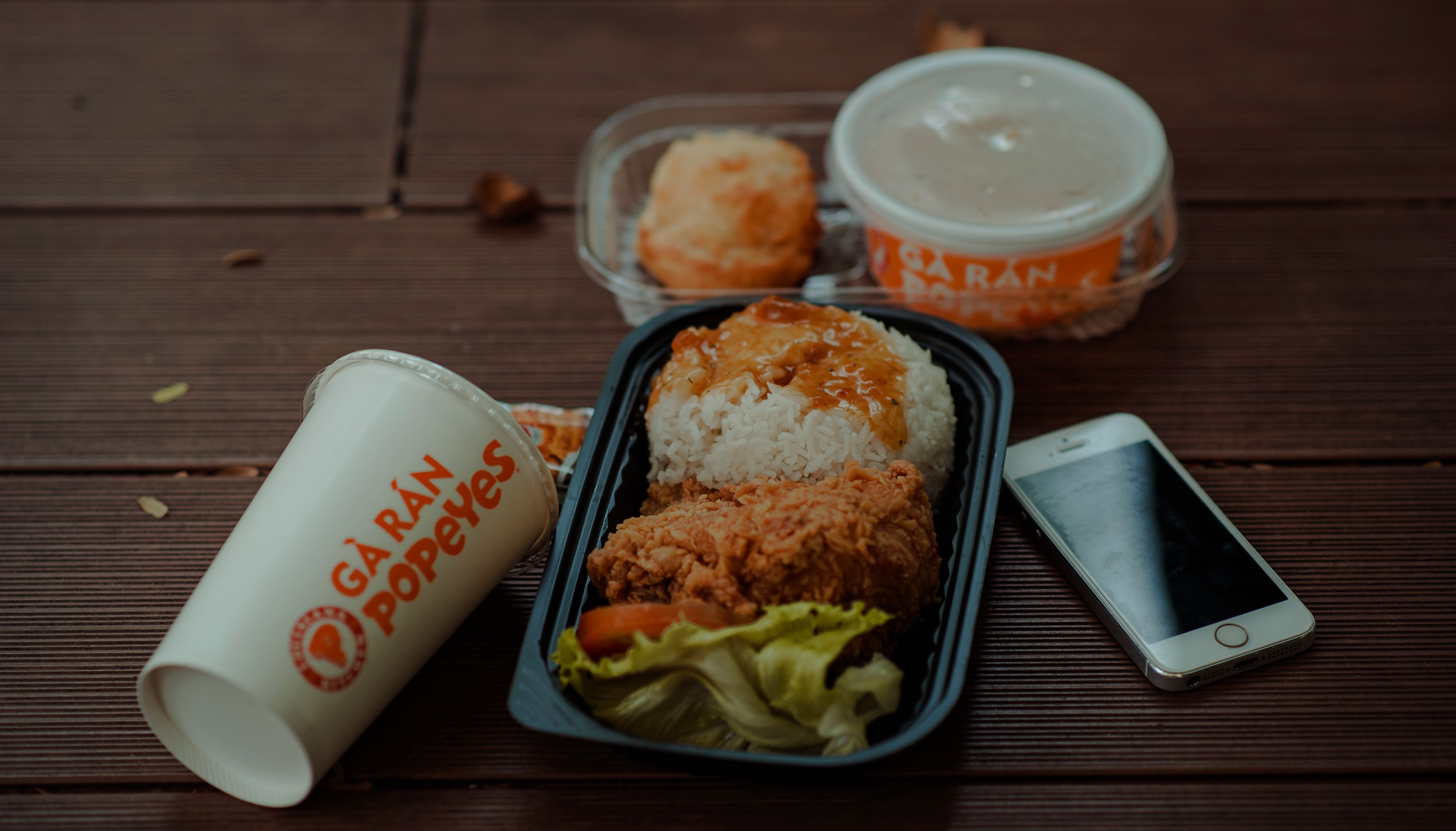
Guest satisfaction with delivery and takeout orders depends heavily on packaging performance. Survey data shows 76% of diners judge restaurant quality by whether food arrives hot, fresh, and spill-free. Investing in sturdy compostable containers with secure lid seals builds consumer trust and protects digital delivery app ratings.
Related FoodColumn Research & Reports
Explore industry metrics in Restaurant Industry Statistics 2026, examine macro forecasts in Food & Restaurant Industry Outlook 2026, review food trend research in Food Trends 2026 Research Report, and check tech resources in The Essential Restaurant Technology Guide.
Frequently Asked Questions
How do modern consumers define 'value' when dining out?
Consumers define value by satiety, high protein density, food quality, and order speed relative to price, rather than strictly seeking the cheapest menu item.
What global flavors are consumers ordering most in 2026?
Yuzu kosho, harissa, gochujang, West African suya spice, and hot honey glazes lead consumer flavor demand.
Why are zero-proof mocktails popular among younger diners?
Sober-curious culture and active wellness priorities lead Gen Z and Millennial diners to seek sophisticated, alcohol-free drinks with complex botanicals.
How does digital order friction impact restaurant sales?
Slow app loading times or complex digital checkouts cause nearly 50% of mobile users to abandon orders and choose competitor dining apps.
Do health-conscious consumers still order indulgent food items?
Yes. While consumers prioritize clean ingredients during weekday lunches, they frequently choose indulgent, glazed, or fried comfort items as weekend rewards.