Zero-Proof Mocktails & Craft Sodas Grow Across Casual Dining
Non-alcoholic spirit alternatives, botanical elixirs, and house-made shrubs offer full-margin beverage sales without alcohol content.
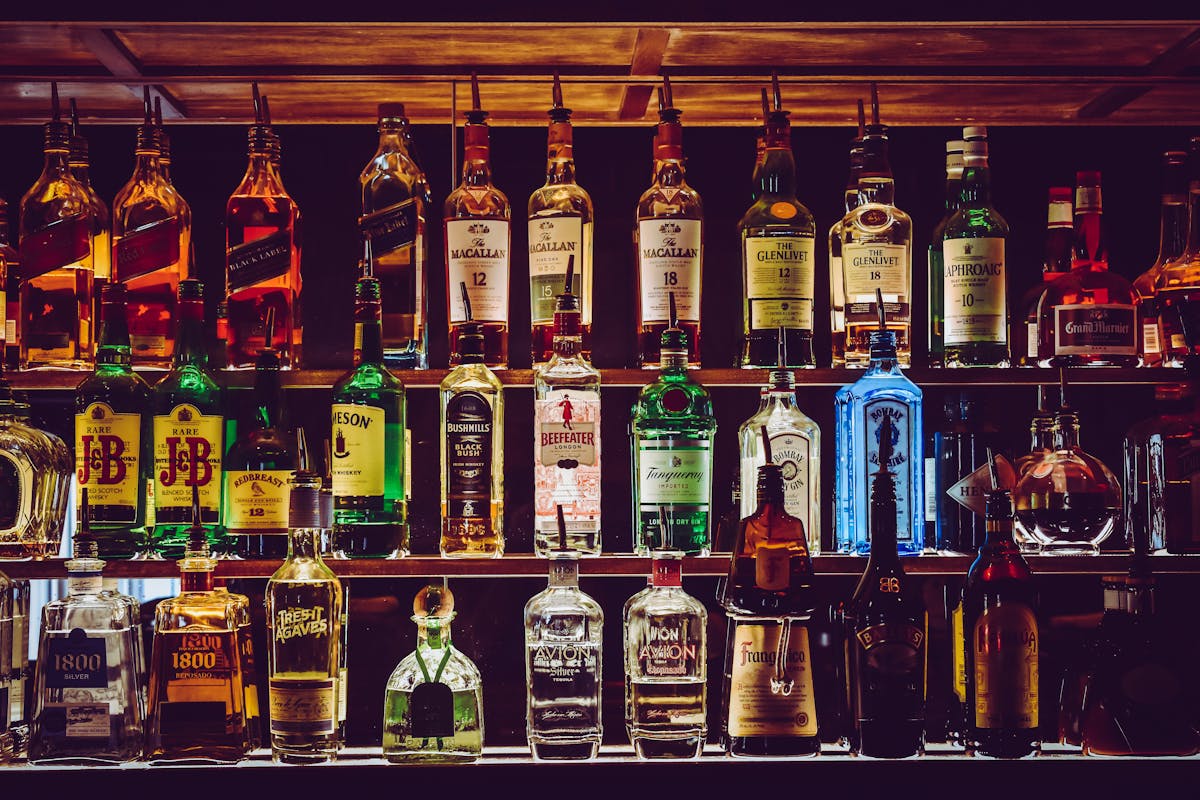
Zero-proof craft mocktails, non-alcoholic botanical spirits, and fermented sodas are rapidly becoming permanent, high-margin staples across modern bar and restaurant menus.
1. The Expansion of the Zero-Proof Beverage Category
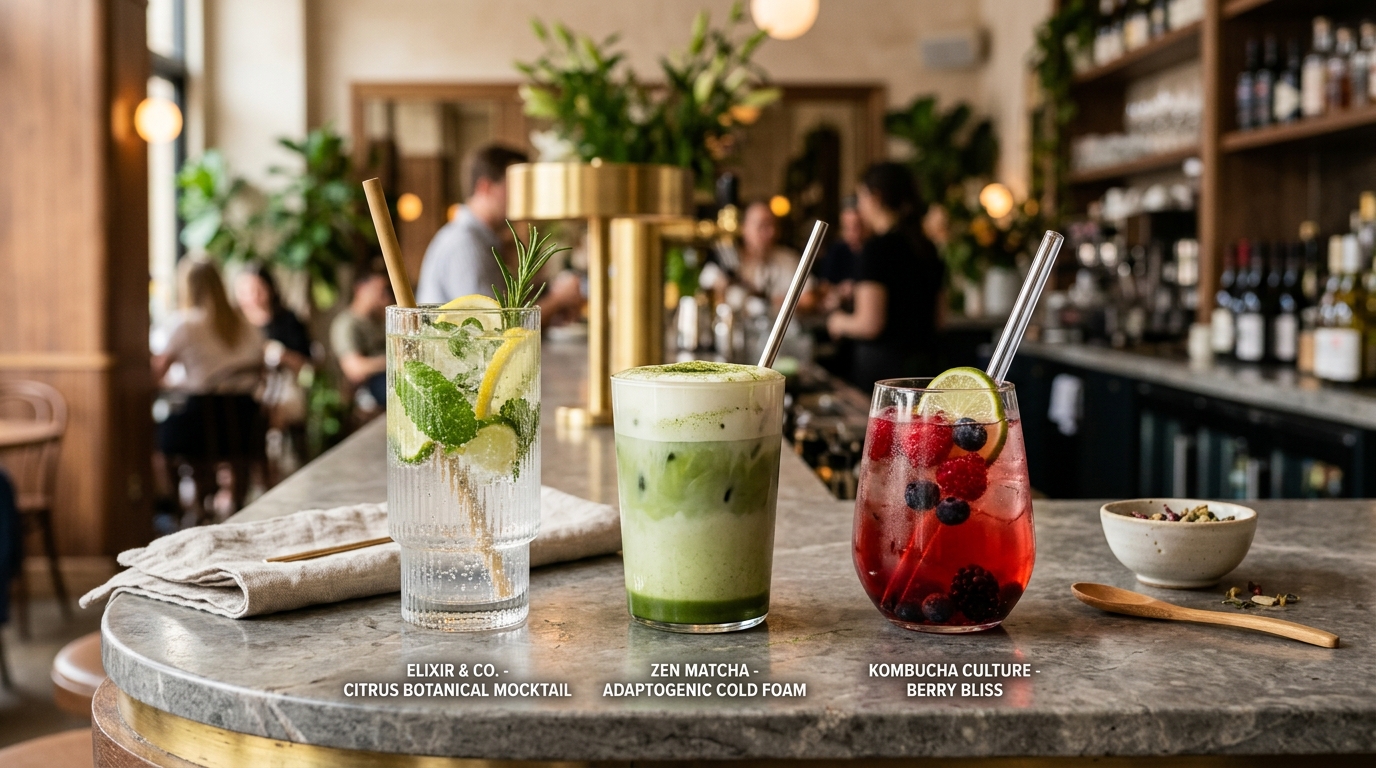
Non-alcoholic options have evolved far beyond basic sugary sodas or fruit juice blends. Today’s zero-proof menus feature sophisticated, mixology-grade drinks crafted with distilled non-alcoholic spirits, house botanicals, complex bitters, and fresh citrus reductions that match traditional cocktails in complexity, flavor, and visual presentation.
2. Why Consumers Are Embracing Alcohol-Free Dining
Driven by the "sober curious" movement, active health awareness, and wellness priorities, consumers of all ages are moderating alcohol consumption. Guests want to enjoy the social ritual of dining out and sipping beautifully garnished drinks without experiencing alcohol-induced fatigue, hangovers, or impaired judgment.
3. Key Drivers Behind Non-Alcoholic Growth
Primary catalysts accelerating zero-proof beverage adoption across commercial dining include:
- Demographic Shift: Gen Z consumes significantly less alcohol than previous generations, actively seeking sophisticated non-alcoholic substitutes when dining out.
- Inclusivity & Hospitality: Offering thoughtful zero-proof drinks ensures non-drinking guests, designated drivers, and pregnant diners feel valued and welcomed.
- Weeknight Dining Boost: Diners comfortably order non-alcoholic cocktails during weeknight business dinners without affecting next-day work productivity.
- High Profit Margins: Zero-proof cocktails carry low ingredient pour costs while supporting premium menu prices.
4. Restaurant Bar Program & Menu Integration
Leading beverage directors integrate zero-proof cocktails directly alongside traditional drinks on main bar menus rather than hiding them in a small footnote. Utilizing craft ice, proper cocktail glassware, and aromatic botanical garnishes ensures premium guest perception and justifies cocktail-level menu pricing.
5. Top Ingredients & Flavor Profiles in Craft Mocktails
High-performing non-alcoholic mixology ingredients winning menu space include:
- Distilled Non-Alcoholic Botanicals: Zero-proof gin, rum, and tequila alternatives providing bite and complex aromatic top notes.
- Shrubs & Vinegar Bases: Apple cider vinegar and fruit shrubs adding pleasant palate-cleansing acidity and depth.
- Botanical Teas & Cold Brews: Hibiscus, smoked tea, and lapacho tea adding tannin structure and dark ruby color.
- Spicy & Aromatic Accents: Jalapeño syrups, ginger beer, and rosemary smoke simulating the natural warmth of spirits.
6. Consumer Purchasing Trends & Margin Economics
Data reveals guests gladly pay $9.00 to $14.00 for premium craft mocktails. With ingredient costs remaining exceptionally low (pour costs under 15%), non-alcoholic beverage programs generate outstanding profit margins for bar operators.
7. Social Media Presentation & Visual Appeal
Complex garnishes, vibrant natural hues, and dramatic glassware make zero-proof cocktails highly shareable on digital platforms, bringing viral visual exposure to restaurant bar programs and attracting younger clientele.
8. Staff Training & Hospitality Execution
Training bartenders and servers to suggest non-alcoholic pairings enthusiastically elevates customer service ratings and drives extra beverage revenue without pressuring guests.
Glassware, Craft Ice & Garnishing Excellence
Perceived value in zero-proof beverage programs is heavily driven by visual presentation. Serving non-alcoholic cocktails in heavy crystal double rocks glasses, copper mugs, or elegant coupe glassware with crystal-clear ice spheres instantly elevates guest perception. Finishing drinks with dehydrated citrus wheels, fresh herb sprigs, or smoke bubbles justifies premium $10 to $14 menu pricing and creates an inclusive bar experience.
Private Event & Group Dining Revenue Lift
Incorporating dedicated zero-proof beverage packages into private event and wedding catering menus opens significant new revenue streams. Event hosts increasingly request non-alcoholic bar setups to accommodate diverse guest preferences. Offering curated mocktail pairings alongside traditional wine and cocktail packages boosts overall event catering contract values while ensuring all guests enjoy a premium experience.
9. What to Watch Next in Non-Alcoholic Drinks
Look for dealcoholized premium wines, functional adaptogen-infused aperitifs, and draft non-alcoholic craft beers expanding across casual and fine dining concepts.
Zero-Proof Inventory Sourcing & Non-Alcoholic Distillates
Building a top-tier zero-proof beverage program requires sourcing high-quality non-alcoholic spirits and botanical distillates. Leading beverage directors partner with specialized distributors offering zero-proof gin, agave, and aperitif alternatives. These zero-proof spirits utilize steam distillation of juniper, cardamom, citrus peel, and botanicals to deliver the mouthfeel, aroma, and complexity of traditional spirits without alcohol content.
Staff Training on Mindful Hospitality & Beverage Descriptions
Staff training is critical to executing zero-proof beverage hospitality seamlessly. Servers are trained to describe non-alcoholic cocktails with identical enthusiasm and flavor nuance as traditional craft cocktails, highlighting botanical top notes, acidity balance, and garnishes. Training staff to present zero-proof options naturally fosters an inclusive dining environment where non-drinking guests feel valued and respected.
Creating Complex Mouthfeel without Alcohol
Recreating the mouthfeel and viscosity of traditional spirit-based cocktails requires strategic ingredient formulation. Beverage directors utilize fruit shrubs, house-made simple syrups, botanical tea reductions, and subtle chili extracts to simulate the warmth, body, and palate-cleansing acidity of classic cocktails, delivering an elevated zero-proof drinking experience.
10. Related FoodColumn Insights
Explore functional drinks in Functional Beverages & Wellness Drinks, check overall flavor trends in Food Trends Shaping 2026, explore restaurant menu shifts in How Restaurant Menus Are Changing, and review benchmark research in Restaurant Industry Outlook 2026.
Frequently Asked Questions
Why are non-alcoholic craft mocktails growing so fast?
Expanding wellness awareness and the sober curious movement lead consumers to seek sophisticated, alcohol-free drinks with complex flavor profiles.
How much should a restaurant charge for a craft zero-proof mocktail?
When served in cocktail glassware with premium botanicals and craft ice, mocktails comfortably command $9.00 to $14.00.
What provides body and structure in alcohol-free cocktails?
Fruit shrubs, concentrated teas, botanical distillates, and subtle chili infusions recreate the mouthfeel, acidity, and bite of traditional spirits.
Where should zero-proof drinks be listed on the menu?
Integrate zero-proof drinks prominently on the main cocktail menu rather than burying them in a small footer note.
Do zero-proof drinks require special liquor licensing?
No. Non-alcoholic mocktails contain 0.0% to under 0.5% ABV and can be sold without liquor license restrictions.