Functional Beverages & Botanical Cold Brews Elevate Drink Menus
Beverage innovation speeds up as consumers seek adaptogen cold brews, sparkling botanicals, and protein-infused cold foams.
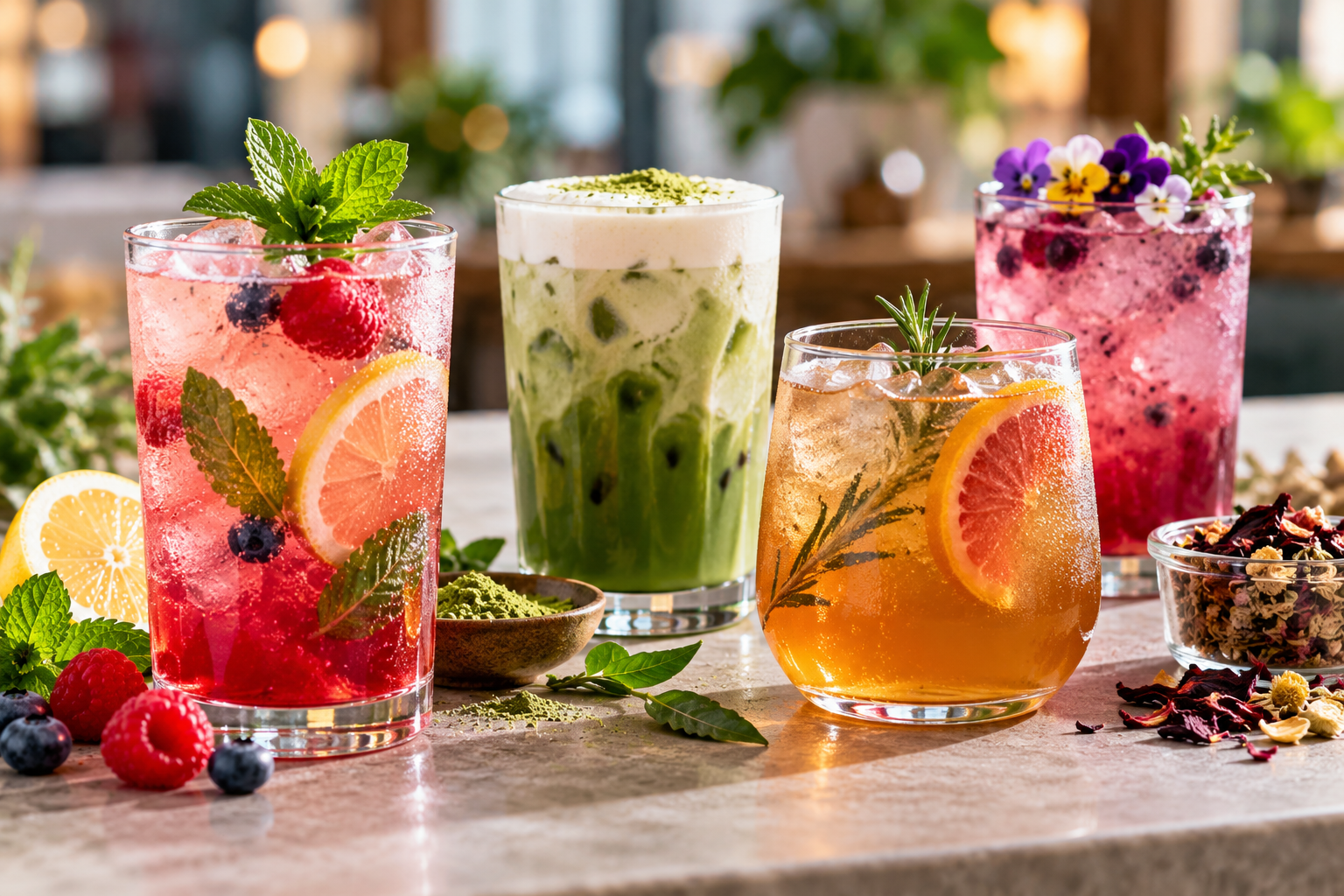
Functional beverages featuring adaptogens, gut-health probiotics, and natural energy botanicals are transforming drink menus into high-margin revenue drivers across foodservice concepts.
1. Defining Functional & Wellness Beverages
Functional beverages are drinks enhanced with ingredients designed to yield specific health benefits beyond basic hydration. Menu categories include probiotic tonics, adaptogenic cold brews, immune-boosting botanical elixirs, and sparkling prebiotics infused with real fruit extracts. This rapidly expanding category bridges the gap between nutrition and beverage mixology, catering to consumers who view drink selection as an active health choice.
2. Why Consumers Are Swapping Standard Soft Drinks
Modern diners are actively avoiding sugary soft drinks, artificial food dyes, and synthetic sweeteners. Instead, they seek functional drinks that support digestive balance, stress reduction, sustained mental focus, and natural energy without blood sugar spikes or midday crashes. Guests view wellness drinks as an accessible daily luxury during dining outings.
3. Core Ingredients Powering Beverage Innovation
Key functional ingredients experiencing rapid menu adoption across commercial foodservice include:
- Adaptogenic Herbs & Mushrooms: Ashwagandha, reishi, and lion's mane integrated into cold coffee, matcha, and teas for calm focus.
- Prebiotics & Probiotics: Fermented kombucha bases, apple cider vinegar shrubs, and gut-healthy plant fiber infusions.
- Botanical Citrus & Herbs: Hibiscus, lavender, lemongrass, turmeric, and ginger delivering vibrant natural color and anti-inflammatory notes.
- Natural Electrolyte Boosters: Coconut water bases and mineral sea salts elevating post-workout and daytime hydration drinks.
4. Restaurant Menu & Operational Integration
Beverage programs require minimal line labor compared to complex kitchen food assembly. Restaurants are installing draft botanical taps, offering house-bottled tonic infusions, and creating customizable "Wellness Booster" add-on options for iced drinks. Standardizing syrup concentrates allows fast-casual concepts to serve premium functional beverages at high speed during lunch peak hours.
5. Popular Beverage Formats Across Segments
Successful functional drink formats span multiple dayparts and dining occasions:
- Morning Focus Drinks: Matcha cold foam teas with L-theanine and MCT oil fortifiers.
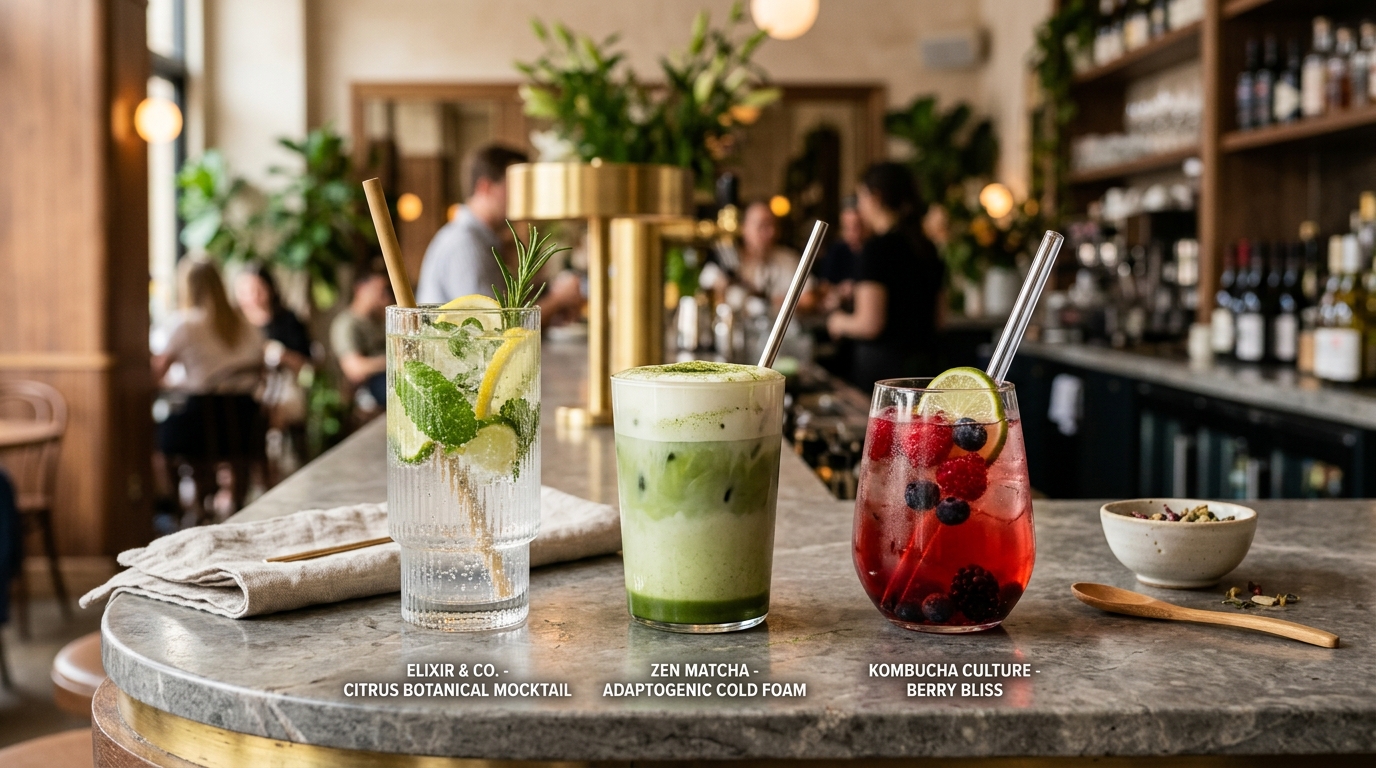
- Midday Refreshers: Sparkling prebiotic fruit sodas featuring real passionfruit, lime, and mint.
- Evening Relaxers: Adaptogenic botanical coolers served in cocktail glassware as alcohol-free evening options.
- Post-Meal Digestifs: Ginger-turmeric shrubs and herbal tonics designed to support digestion after heavy meals.
6. Consumer Dining Behavior & Purchasing Patterns
Data indicates over 55% of Gen Z and Millennial consumers order premium functional drinks when dining out. Featuring distinctive functional sodas or craft iced teas increases overall beverage attachment rates significantly, driving incremental revenue without cannibalizing food orders.
7. Social Media Presentation & Visual Appeal
Vibrant natural colors derived from butterfly pea flower, dragonfruit, spirulina, and matcha create stunning visual layers. Instagram-worthy drink presentations drive organic social shares and draw younger guests into store locations specifically for signature beverage programs.
8. Profitability & Revenue Growth Potential
Functional drinks command high retail pricing ($6.00 to $9.00) while keeping pour costs remarkably low (typically 12% to 18%). Elevating beverage attachment directly expands restaurant gross operating margins and overall check profitability.
Equipment Infrastructure & Dispensing Solutions
Launching a high-volume functional beverage program requires minimal kitchen footprint when supported by modern draft dispensing equipment. Installing multi-tap nitro and still keg lines for kombucha, cold brew, and prebiotic sodas speeds up service to under 15 seconds per pour. Draft systems maintain perfect carbonation, temperature consistency, and portion control while eliminating single-use bottle clutter behind service counters.
Staff Upselling Techniques & Guest Education
Front-of-house staff training is critical to driving functional beverage attachment rates. Equipping cashiers and servers with simple 5-second flavor and benefit descriptors—such as 'Refreshing sparkling passionfruit with prebiotic digestive benefits'—helps guests comfortably select functional options over tap water or basic fountain sodas, boosting average check totals seamlessly.
9. What to Watch Next in Functional Drinks
Look for electro-hydrating sea salt sparkling waters, clean energy teas fortified with natural guayusa, and personalized functional syrup pumps at self-serve fountain stations in QSR concepts.
Craft Beverage Presentation & Glassware Excellence
Visual appeal is a primary driver of functional beverage sales. Serving adaptogenic iced teas, botanical lemonades, and prebiotic sodas in heavy crystal glassware, copper mugs, or mason jars garnished with fresh herbs, dehydrated citrus wheels, or edible flowers enhances perceived guest value. Premium beverage presentation supports $7.00 to $9.00 retail menu pricing while driving organic customer photo sharing on digital feeds.
Seasonal Beverage Rotations & Limited-Time Flavor Drops
Rotating functional beverage menus around seasonal botanical ingredients maintains guest interest throughout the year. Featuring spring hibiscus-lavender cold brews, summer passionfruit-mint prebiotic sodas, and autumn turmeric-ginger tonic elixirs creates limited-time urgency that boosts beverage attachment rates across all meal dayparts.
Consumer Trial Incentives & Beverage Sampling Stations
Introducing novel functional beverage categories to casual dining guests is accelerated through proactive staff sampling. Offering complimentary 2-ounce tasting pours of draft kombucha or hibiscus prebiotic tonics when seating guests sparks curiosity, drives immediate full-glass orders, and overcomes initial guest hesitation regarding unfamiliar adaptogenic ingredients.
10. Related FoodColumn Content
Analyze operational menu implementation in our detailed guide on functional beverages in restaurants: ingredients, formats & menu trends.
Explore zero-proof beverage expansion in Zero-Proof Mocktails & Craft Sodas, check overall flavor trends in Food Trends Shaping 2026, explore menu shifts in How Restaurant Menus Are Changing, and view industry benchmarking in Restaurant Industry Statistics 2026.
Frequently Asked Questions
What are functional beverages in a restaurant setting?
They are enhanced drinks containing ingredients like adaptogens, prebiotics, or botanical antioxidants that provide tangible wellness benefits.
Are functional drinks expensive for restaurants to prepare?
No. Bulk botanical syrups, draft kegs, and concentrated tea bases maintain low pour costs (12%-18%) while supporting premium menu pricing.
Which functional ingredients are most popular with consumers?
Matcha, ginger, turmeric, ashwagandha, reishi mushrooms, and prebiotic fiber infusions lead consumer demand.
How can QSRs increase beverage attachment rates?
By offering signature house-made functional iced teas or botanical lemonades as easy digital order upgrades.
Do functional drinks appeal across all meal dayparts?
Yes. Morning matcha focus drinks, midday prebiotic sodas, and evening adaptogenic coolers serve distinct customer needs throughout the day.