Viral Food Trends: How TikTok and Instagram Drive Menu Innovation
From smash burgers to crunchy salad bowls, short-form video virality is accelerating how fast-casual and QSR chains develop limited-time offers.
Social media platforms have transformed from promotional channels into real-time incubators for culinary innovation, driving rapid adoption of viral food items across commercial menus.
1. Understanding the Viral Food Pipeline
The timeline from a home chef's viral video to a national QSR menu item has compressed from years to mere weeks. Social platforms create overnight consumer awareness for novel food textures, visual cheese pulls, extreme flavor pairings, and interactive dining hacks. Restaurants that possess the agility to respond quickly can capture substantial surges in foot traffic and online orders.
2. Why Consumers Respond to Socially Trending Foods
Participating in viral food trends fulfills consumer desires for social participation, visual novelty, and shared culinary experiences. Ordering a trending item allows consumers to capture and share content, turning meal consumption into an engaging social event. For younger demographics, trying a viral dish represents culinary cultural currency and instant community connection.
3. Operational Challenges & Opportunities for Restaurants
While viral trends offer immense foot traffic surges, they present distinct operational hurdles for restaurant kitchens:
- Supply Chain Volatility: Sudden demand spikes can cause regional ingredient shortages for specialty items like specific chilies or unique cheeses.
- Speed to Execution: Kitchens must quickly develop standardized assembly recipes to capture interest before trend fatigue sets in.
- Line Consistency & Throughput: Maintaining kitchen speed of service when high-prep viral items flood line orders during peak rushes.
- Staff Training: Training prep cooks and line workers to assemble novel items uniformly across multi-unit operations.
4. Strategic LTO Framework for Operators
Forward-thinking brands utilize agile Limited Time Offer (LTO) structures to capture viral interest without permanently cluttering kitchen inventory. By stocking flexible pantry ingredients, kitchens can launch secret digital menu items exclusively available via loyalty apps, driving both app downloads and high-margin LTO sales while controlling ingredient commitment risk.
5. Key Examples of Socially Driven Menu Items
Recent multi-channel successes spotlight effective commercial product adaptations:
- Smash Burgers with Crisp Lace Skirts: Highlighting tactile crunch and dramatic visual sizzle that translate perfectly to video feeds.
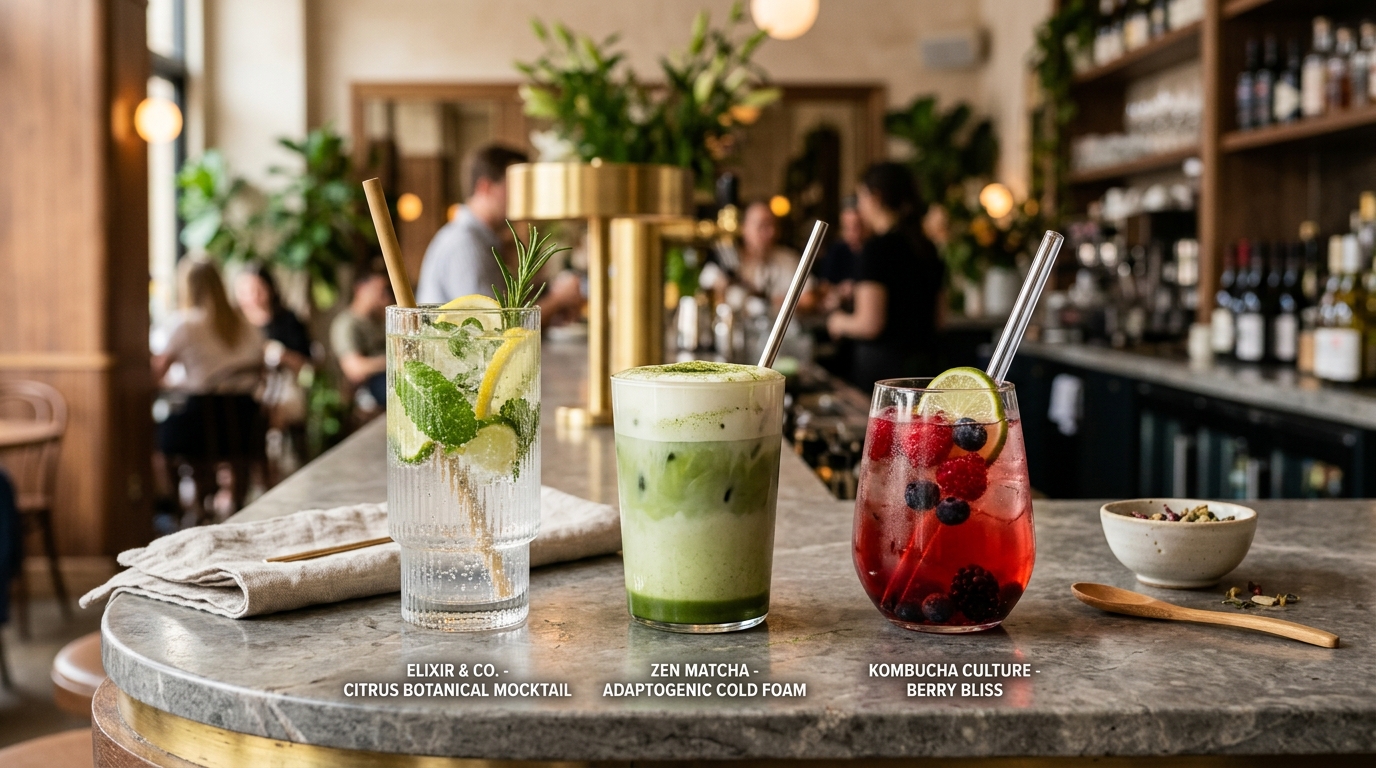
- Loaded Boba & Botanical Coolers: Visually layered beverages designed specifically for camera presentation and high margin potential.
- Hot Honey Pepperoni Swirl Flatbreads: Melding sweet, spicy, and savory flavor elements with photogenic cheese pulls.
- Crispy Rice & Tartare Towers: Elevating classic sushi ingredients into camera-ready appetizer formats.
6. Evaluating Trend Longevity vs. Fleeting Fads
Not every viral clip warrants supply chain investment. Successful operators filter digital noise by evaluating whether a trend aligns with existing pantry SKUs, offers repeatable line prep, and delivers genuinely enjoyable taste rather than pure visual shock value. Items that rely solely on extreme gimmicks usually fade fast, whereas those grounded in solid flavor pairings can become permanent revenue drivers.
7. Leveraging User-Generated Content for Foot Traffic
Encouraging guests to film their dining experience requires deliberate ambient lighting, branded packaging accents, and visually striking dish architecture. Providing share-worthy presentations drives organic user marketing with high ROI, turning satisfied guests into active brand advocates across digital networks.
8. Financial Metrics & Ticket Growth
Socially trending menu items frequently command 15% to 25% price premiums over standard entrees. When coupled with viral beverage pairings, operators achieve elevated check sizes and improved labor efficiency during promotional pushes, lifting overall store profitability.
Managing Peak Volume Surge & Line Capacity
When a menu item goes viral on social media platforms, store locations can experience dramatic, unpredicted volume surges during lunch and dinner peaks. Kitchen managers must establish clear line capacity thresholds and dedicated assembly stations for viral LTO items. Cross-training line cooks and pre-batching specialty sauces during morning prep shifts ensures that kitchens can handle 300% volume spikes without compromising overall ticket times or order accuracy.
Digital Order Funneling & Loyalty Integration
Integrating viral menu promotions directly into brand mobile apps allows operators to capture valuable customer data while managing demand. By restricting viral LTO orders to app users or secret digital drop windows, operators build long-term loyalty membership, increase push notification engagement, and gather accurate predictive data on menu item popularity before expanding to main in-store menu boards.
9. Future Outlook for Social Media Menu Innovation
As AI social listening tools mature, restaurant culinary teams will increasingly use predictive analytics to identify emerging food trends months before they hit mainstream viral peaks, enabling proactive menu planning and ingredient sourcing.
Kitchen Assembly Line Speed & Standardized Prep Cards
Executing viral menu items during high-volume meal rushes requires clear kitchen prep standardization. Culinary development teams create visual assembly cards and line prep diagrams that guide line cooks through step-by-step plating. Standardizing sauce portioning and ingredient layering ensures that viral menu items are served with identical visual presentation and speed regardless of shift turnover.
10. Related FoodColumn Content
Read our dedicated deep dive into social media menu dynamics in Trending Foods on Menus and Social Media, compare broader menu evolution in Food Trends Shaping 2026, explore restaurant menu shifts in How Restaurant Menus Are Changing, and check consumer research in Restaurant Consumer Trends Research 2026.
Frequently Asked Questions
How fast should a restaurant react to a viral food trend?
Ideal execution occurs within 2 to 4 weeks using existing pantry items via agile digital LTOs or loyalty app secret menus.
How do you distinguish a real culinary trend from a brief fad?
Sustainable trends feature balanced flavor profiles, low labor complexity, and broad ingredient availability, whereas fads rely heavily on extreme visual gimmicks.
What role do beverages play in social media food marketing?
Layered colorful drinks, boba teas, and zero-proof mocktails generate exceptionally high social engagement and feature high profit margins.
Can casual dining chains benefit from TikTok food trends?
Yes. Casual dining operators can adapt viral sauce glazes, cheese pulls, or crispy textures into existing appetizer or dessert templates.
What is the secret menu strategy for viral items?
Operators offer viral items exclusively through their mobile loyalty app, driving digital downloads while managing ingredient prep volume.