15 Trending Foods & Menu Trends Taking Over in 2026
A detailed analysis of 15 influential food items, viral culinary formats, and menu management strategies shaping commercial restaurant dining in 2026.
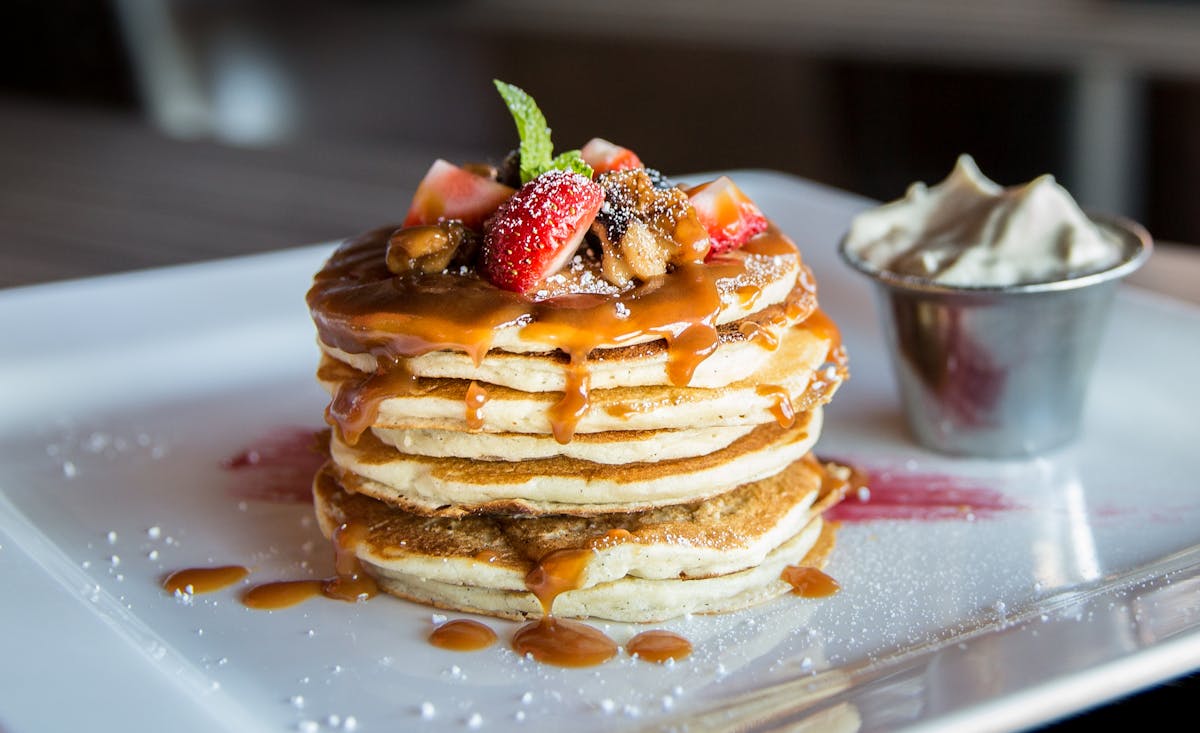
Social media and digital discovery channels have shortened the timeline between a culinary innovation's debut and its adoption on commercial restaurant menus. In 2026, successful operators evaluate trending dishes by distinguishing between genuine consumer food trends and high-margin menu execution strategies.
Part I: Trending Foods & Viral Culinary Formats
According to culinary tracking data from the Datassential Food & Flavor Database and search volume metrics from Google Trends, these 10 specific food products and dish formats represent strong consumer demand across dining categories:
1. Hot Honey Infusions
Combining floral sweetness with habanero or chili heat, hot honey has expanded from artisanal pizza shops into national QSR chicken tenders, roasted vegetable bowls, and cocktail menus. Major chains like Wendy's and Shake Shack have featured hot honey LTOs to drive incremental sales.
2. Ube & Purple Yam Desserts
Prized for its vivid violet color and sweet, nutty vanilla flavor profile, Filipino ube continues to feature prominently across soft-serve ice creams, bakery items, and specialty lattes in metropolitan dining markets.
3. Crispy Rice & Grain Bowls
Fast-casual leaders like Sweetgreen and CAVA have elevated grain bowls by incorporating pan-seared or flash-fried crispy rice bases, delivering textural contrast and premium appeal for healthy lunch traffic.
4. Birria & Slow-Braised Beef Formats
Rich Jalisco-style braised beef consome has crossed over from authentic food trucks into mainstream quesadillas, ramen bowls, and gourmet sliders at national casual dining operators like Taco Bell and local independents.
5. Laced-Edge Smash Burgers
Crispy, caramelized-edge double smash burgers have gained substantial popularity due to fast cooking times on flat-top grills and superior savory crusts compared to thick traditional patties.
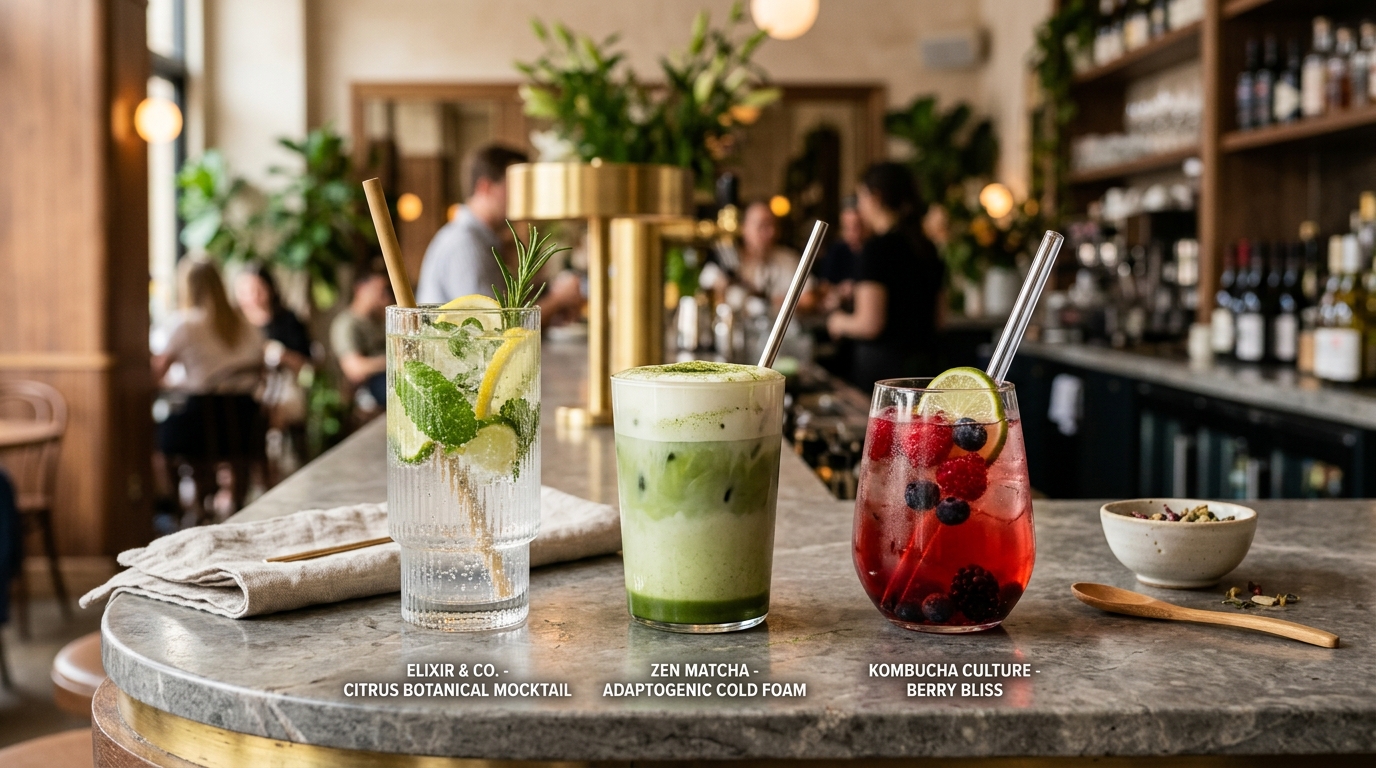
6. Cold Foam & Flavor-Layered Iced Beverages
Starbucks and independent specialty cafes have turned cold foam—infused with salted caramel, pistachio, or matcha—into a lucrative customization add-on that boosts average beverage check sizes.
7. Swaledale & Spicy-Sweet Flavor Pairings
Complex sweet-and-spicy ("swaledale" style) glaze formulations pairing hot peppers with maple, fruit reduction, or agave are replacing traditional one-dimensional hot sauces on wings and fried appetizers.
8. Zero-Proof Craft Mocktails
Non-alcoholic spirits, botanical elixirs, and house-made shrubs allow restaurants to capture high-margin beverage revenue from guests choosing mindful drinking habits. Explore full beverage insights in our zero-proof mocktails report.
9. Pistachio Paste & Middle Eastern Confections
Rich pistachio creams, knafeh-inspired pastries, and cardamom-infused desserts are seeing steady growth across bakery displays and fine-dining dessert menus.
10. Functional Wellness Drinks & Adaptogen Teas
Beverages fortified with mushroom extracts, ashwagandha, and gut-friendly ingredients appeal to health-focused urban demographics seeking functional hydration.
Part II: Core Restaurant Menu Strategies
As noted in the National Restaurant Association State of the Industry Report, operators leverage these 5 structural menu strategies to commercialize consumer demand efficiently:
11. High-Margin Limited-Time Offers (LTOs)
LTOs create promotional urgency without permanently overloading kitchen inventory. Chains test viral flavor concepts for 6 to 8 weeks before deciding on permanent menu inclusion.
12. Premium Protein Add-ons & Upsells
Offering double protein portions, premium salmon upgrades, or avocado add-ons gives diners control while expanding gross contribution dollars per transaction. Learn more in our guide to high-protein fast-casual bowls.
13. Modular Build-Your-Own Customization
Assembly-line concepts allow guests to build custom bowls and wraps from a pre-prepped inventory matrix, streamlining kitchen operations and minimizing food waste.
14. Digital Loyalty App Exclusive Drops
Restricting new viral menu items to first-party mobile apps incentivizes app downloads, captures valuable guest order data, and boosts customer retention.
15. Secret Menu Iterations
Leveraging existing back-of-house ingredients to create "secret" viral menu combinations drives organic social media engagement with zero added inventory complexity.
Strategic Takeaway for Restaurant Operators
Commercial success relies on evaluating viral food trends through the lens of kitchen feasibility. Connect these menu trends to broader strategic frameworks in macro food trends shaping 2026, inspect regional flavor systems like yuzu and harissa, and apply our menu engineering matrix to ensure sustained profitability.
Frequently Asked Questions
What are the top trending foods on restaurant menus in 2026?
Top trending foods in 2026 include hot honey crispy chicken, ube desserts, birria taco variations, crispy rice bowls, smash burgers, and zero-proof functional mocktails.
What is the difference between a food trend and a menu strategy?
A food trend refers to specific ingredients, dishes, or flavor profiles that gain widespread consumer popularity (e.g. hot honey or ube), whereas a menu strategy represents operational tactics like limited-time offers (LTOs) or premium add-ons used to drive margin.
How do restaurants evaluate whether to adopt a viral social media dish?
Restaurant culinary teams evaluate viral dishes based on ingredient availability, kitchen prep complexity, cross-utilization potential, and target profit margin before adding them to menus.
Why are zero-proof mocktails growing rapidly on dining menus?
Zero-proof beverages cater to health-conscious diners seeking premium, complex non-alcoholic options that deliver high gross margins for restaurant operators.