High-Protein Foods: Consumer Demand & Product Innovations in 2026
An analysis of consumer demand for high-protein foods, retail food product innovation, and protein-forward restaurant menu positioning in 2026.

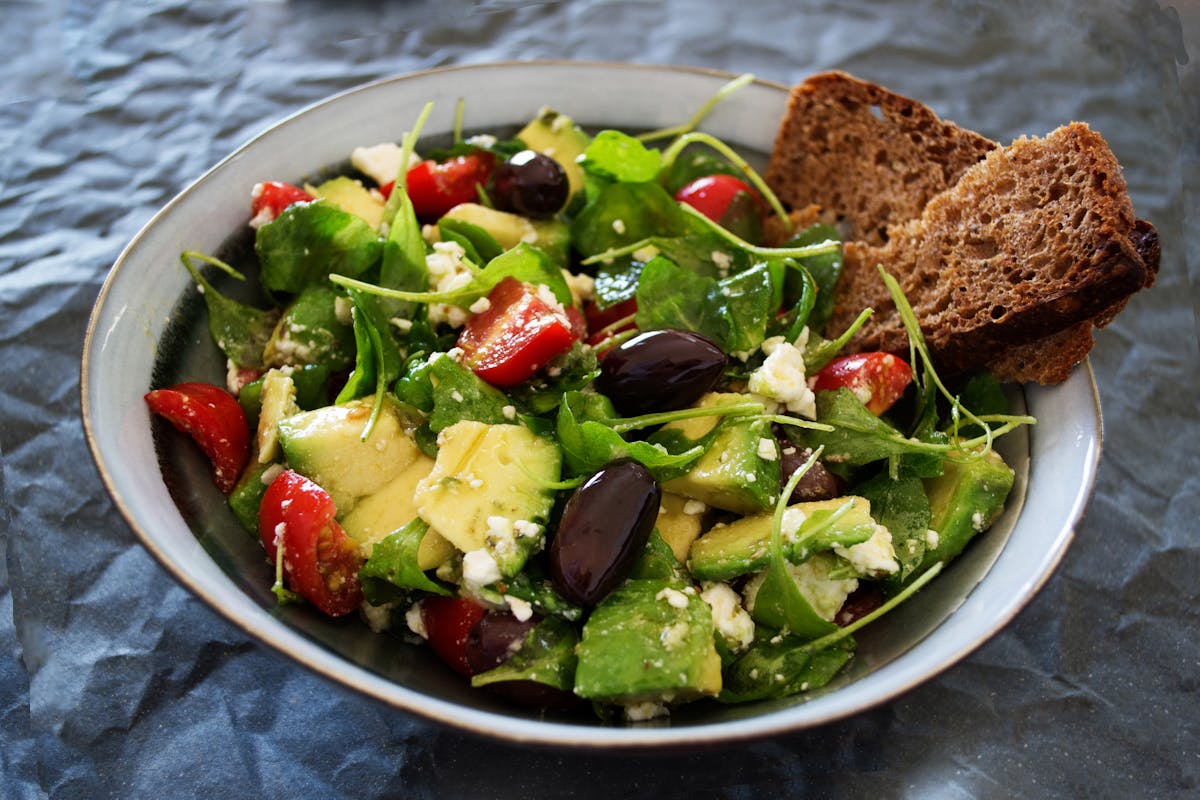
Consumer interest in high-protein foods has expanded beyond specialized athletic nutrition into mainstream everyday dining. In 2026, diners across diverse demographic segments actively seek out protein-dense meals, snacks, and beverages to support daily energy, dietary satiety, and general wellness goals.
1. Consumer Health Motivators & Satiety Science
Research published in the IFIC Food & Health Survey indicates that protein is consistently identified by consumers as a highly desirable macro-nutrient. Protein-rich meals play an established role in promoting satiety and supporting muscle preservation when combined with active lifestyles. Furthermore, as public conversation around weight management grows, consumers are intentionally choosing protein-forward meals over refined carbohydrates.
2. Retail Product Development & Category Growth
According to retail consumption tracking from Circana Market Research, food manufacturers and CPG brands are reformulating products to deliver enhanced protein profiles. Key retail growth areas include:
- High-Protein Breakfasts: Fortified oat bowls, egg-white bites, and high-protein Greek yogurt cups designed for convenient morning consumption.
- Functional Snacks & Spreads: Cottage cheese dips, dry-roasted edamame, beef biltong, and ultra-filtered high-protein dairy beverages.
- Plant & Dairy Blends: Pasta and flour formulations incorporating pea protein, chickpea flour, and whey isolate.
3. Restaurant Menu Integration & Gram Highlights
Foodservice operators are aligning with consumer demand by displaying prominent protein metrics on physical and digital menus. Highlighting dish attributes—such as "35g Protein per Bowl"—provides clear value for health-conscious diners. Chains like Chipotle, Sweetgreen, and CAVA have successfully commercialized protein customization, as detailed in our companion analysis on high-protein fast-casual restaurant concepts.
4. Responsible Communication & Balanced Nutrition
While protein demand remains elevated, authoritative health organizations emphasize the importance of balanced dietary patterns incorporating complex carbohydrates, dietary fiber, and healthy fats. Food brands and operators should communicate nutritional content accurately using verified data sources such as USDA FoodData Central without making unverified medical claims.
Strategic Outlook for Food Brands & Operators
Protein prioritization represents a durable shift in consumer behavior rather than a temporary trend. To capture market share, food brands and restaurant operators should emphasize quality protein sources, provide transparent nutrition labeling, and develop convenient meal formats. For broader market context, explore broader consumer food trends, inspect trending high-protein food items, examine food cost percentage management, and review our restaurant industry statistics.
Frequently Asked Questions
Why are high-protein foods trending strongly in 2026?
High-protein foods are trending due to growing consumer interest in dietary satiety, active lifestyle maintenance, metabolic health, and muscle preservation.
What grocery product categories are seeing the most high-protein innovation?
High-protein innovation is expanding across breakfasts, Greek yogurt, cottage cheese spreads, fortified snack bars, functional beverages, and legume-based pasta alternatives.
How do high-protein meals support satiety in balanced diets?
Protein requires more energy to digest and helps promote feelings of fullness compared to refined carbohydrates, making it a key component in balanced meal planning.
How are restaurant menus incorporating high-protein options?
Restaurants are introducing dedicated high-protein bowls, highlighting exact protein gram counts on digital menus, and offering premium double-protein add-ons for entrees.