High-Protein Fast Casual Restaurants: Menu Strategy & Operations
An operational breakdown of how fast-casual restaurant operators design high-protein menus, engineer bowl assembly lines, manage portion costs, and drive check averages.
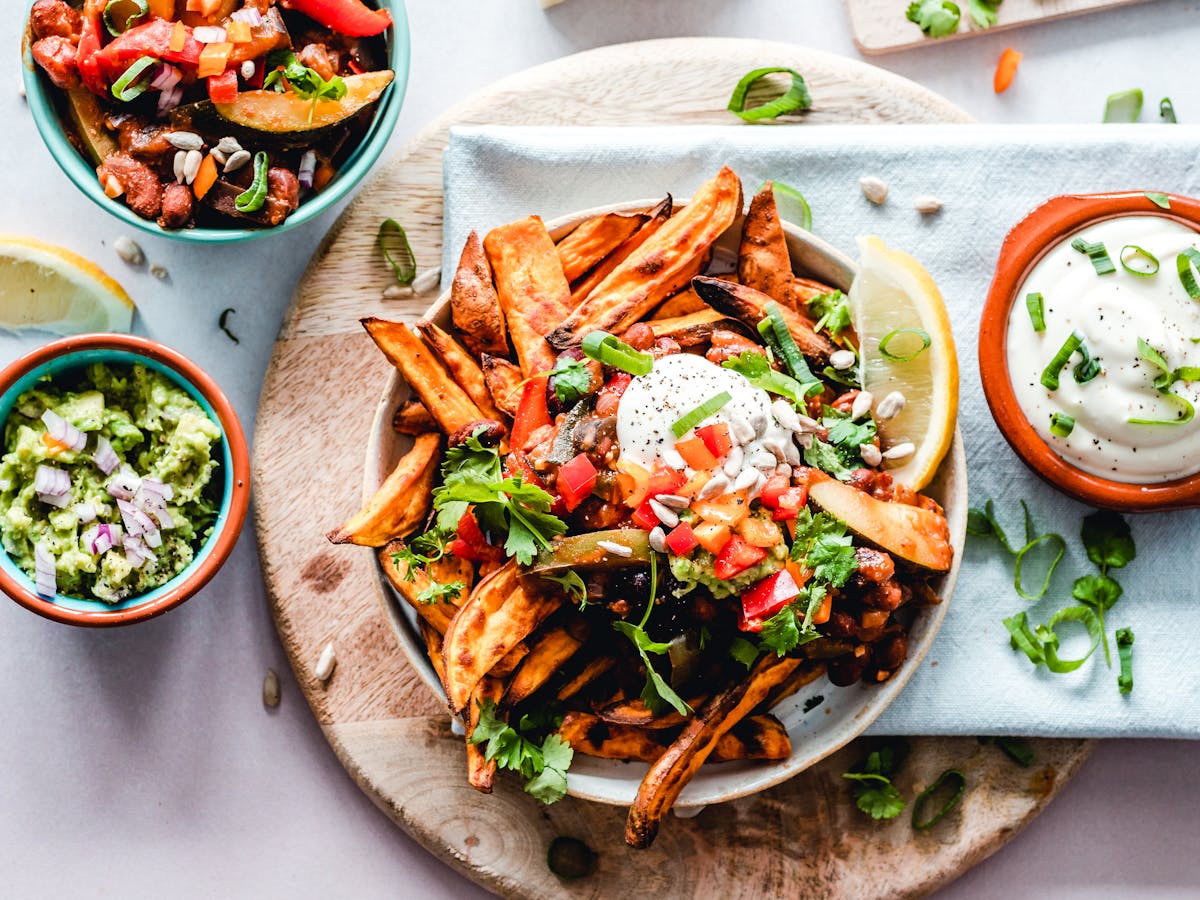
Fast-casual restaurant brands are uniquely positioned to capitalize on rising guest demand for high-protein dining. By structuring assembly lines around customizable grain bowls, salad bases, and grilled protein options, leading operators boost average check sizes while maintaining efficient kitchen throughput.
1. Assembly-Line Architecture & Customizable Bowls
The fast-casual format excels at delivering customized, protein-dense meals at speed. Concepts like Chipotle, CAVA, and Sweetgreen utilize linear assembly lines where guests choose a foundational base (warm brown rice, quinoa, kale, or romaine), select a core protein (citrus-marinated chicken, braised steak, falafel, or grilled salmon), and finish with toppings and dressings. This modular setup allows kitchens to prep high volumes of standardized ingredients while giving guests total control over their macro-nutrient intake.
2. The Economics of Double-Protein Add-Ons & Verified Pricing
High-protein menu positioning creates lucrative upselling opportunities. Verified menu pricing data across major fast-casual operators illustrates the direct financial contribution of protein upgrades:
- Chipotle Mexican Grill: Adding Extra Chicken to a Chicken Bowl adds $3.25 to $3.75 (depending on regional market pricing), while Extra Steak adds $4.50 to $5.25. (Source: Chipotle Official Online Menu, Oct 2026).
- CAVA: Adding Extra Protein (e.g. Extra Grilled Chicken or Braised Lamb) to a custom Mediterranean bowl adds $3.45 to $4.25. (Source: CAVA Official Menu, Oct 2026).
- Sweetgreen: Adding Extra Roasted Chicken adds $3.75 to $4.25, while adding Extra Steelhead Salmon adds $5.95 to $6.50. (Source: Sweetgreen Official Menu, Oct 2026).
According to restaurant operator research published by the National Restaurant Association, protein add-ons represent one of the highest-converting upsell strategies in fast-casual dining, particularly when captured seamlessly via a modern cloud POS system.
3. Back-of-House Prep & Portion Variance Control
Because protein ingredients represent the highest unit cost on a restaurant's balance sheet, managing portion variance is critical to protecting margins. Industry benchmarks compiled by Technomic highlight these key operational controls:
- Standardized Portion Utensils: Equipping line workers with color-coded 4-ounce spoodles or scales ensures consistent dish yield.
- Batch Cook Forecasting: Utilizing kitchen management software to predict peak order hours prevents over-cooking and waste of expensive meats.
- Point-of-Sale Inventory Sync: Integrating point-of-sale terminal selections directly with back-of-house stock levels, as detailed in our POS glossary guide.
4. Real-World Fast-Casual Case Studies
Leading restaurant brands demonstrate effective high-protein menu engineering:
- Chipotle Mexican Grill: Promotes dedicated "Lifestyle Bowls" (Keto, High-Protein, Paleo) on digital ordering channels, simplifying ordering for health-focused guests.
- CAVA Group: Features Mediterranean braised lamb, grilled chicken, and house-made hummus, highlighting clean protein and vibrant regional dip pairings.
- Sweetgreen: Expanded beyond cold salads to launch warm "Protein Plates" featuring roasted chicken, wild salmon, and double-scoop grains.
Operational Summary for Fast-Casual Executives
Developing a profitable high-protein restaurant program requires strict alignment between front-of-house menu design and back-of-house cost control. To explore underlying consumer shifts, read about consumer high-protein food demand, review our strategic analysis of menu pricing and SKU rationalization, and consult our restaurant industry benchmarks.
Frequently Asked Questions
How do fast-casual restaurants profit from high-protein menu items?
Fast-casual restaurants generate high profit margins by offering customizable protein upgrades (such as double steak, grilled salmon, or extra chicken) at premium add-on prices.
What operational challenges do high-protein menus create for kitchens?
High-protein menus require precise batch cooking, rapid grill station throughput, strict portion control scoops, and active inventory tracking to prevent costly protein over-portioning.
Which fast-casual brands lead the high-protein dining segment?
Chipotle (Lifestyle Bowls), CAVA (custom Mediterranean protein bowls), Sweetgreen (Protein Plates), and Panera Bread (Warm Grain Bowls) are leading fast-casual operators in protein menu positioning.
How does bowl customization help control kitchen food costs?
Customizable assembly lines use standardized portion scoops for high-cost proteins while allowing guests to add lower-cost high-volume bases like rice, greens, and beans.