Hojicha Is Trending: Why Japanese Roasted Tea Could Be the Next Matcha
Discover what hojicha is, how this roasted Japanese green tea differs from matcha, and why specialty cafés and culinary kitchens are exploring its toasty, low-caffeine appeal.

Over the past decade, matcha transformed from a ceremonial Kyoto tradition into a global beverage phenomenon. From third-wave espresso bars in major metropolitan hubs to suburban drive-thrus, vibrant green lattes became an established fixture of modern café culture. Yet as matcha reached widespread familiarity, an aromatic sister tea began capturing the attention of tea educators, baristas, and pastry chefs: hojicha.
This distinctive Japanese roasted green tea—celebrated for its warm amber liquor, toasted nutty aromatics, and naturally modest caffeine profile—is gaining visibility on international specialty menus. Driven by consumers seeking approachable, less astringent beverages and café operators looking to differentiate their drink programs, the hojicha food trend is moving from traditional tearooms into specialty coffee culture. As beverage menus continue to evolve alongside broader macro food trends shaping 2026, an intriguing question is emerging: could hojicha become the next major Japanese tea trend?
What Is Hojicha? The Heritage of Japanese Roasted Green Tea
To understand why hojicha tea is attracting attention, one must examine its distinct agricultural and processing heritage. Unlike unroasted Japanese green teas such as sencha, gyokuro, or tencha (the base leaf stone-ground into matcha)—which are steamed and dried to preserve their vibrant chlorophyll and vegetal umami notes—hojicha undergoes an essential roasting stage.
Originating in Kyoto during the 1920s, hojicha emerged through practical tea craftsmanship. Regional tea merchants sought to maximize the utility of harvested tea by roasting green tea leaves, stems, and stalks over high heat (typically around 200°C / 392°F) followed by immediate cooling. As documented by the Japan Tea Central Public Relations Council, this roasting process significantly alters the leaf's sensory and chemical attributes:
- Color Transformation: Thermal application breaks down green chlorophyll, turning the leaves, stems, and resulting brewed liquor into a warm reddish-brown or deep caramel amber.
- Aroma Chemistry: High roasting temperatures induce Maillard-like reactions that synthesize pyrazines—the aromatic volatile compounds responsible for toasty, comforting scents commonly associated with roasted nuts, toasted grains, and baked bread.
- Astringency Reduction: Astringent catechins undergo thermal degradation and alteration during roasting, yielding a noticeably smoother mouthfeel with significantly lower perceptible bitterness than unroasted green teas.
- Naturally Lower Caffeine Profile: Hojicha is traditionally crafted from mature, late-harvest tea leaves (bancha) and woody stems (kukicha), which naturally synthesize lower concentrations of caffeine than young spring buds or shaded tencha leaves. While thermal roasting can induce minor volatilization, the choice of raw leaf and stem material is the primary reason brewed hojicha typically contains less caffeine than unroasted green teas. Actual caffeine levels vary depending on the ratio of leaves to stems, harvest season, and whether the tea is steeped as whole leaves or consumed entirely as micro-milled powder.
Today, hojicha is available in three primary commercial formats: whole loose-leaf tea (traditionally steeped in ceramic kyusu teapots), stem-rich kukicha blends, and finely stone-ground hojicha powder. It is this powdered form—resembling cocoa powder in texture—that is sparking contemporary experimentation across café beverage bars and artisan bakeries.
Hojicha vs Matcha: What’s the Difference?
While both teas originate from the same botanical plant (Camellia sinensis) and reflect meticulous Japanese processing methods, their cultivation, sensory attributes, and preparation differ substantially. A detailed comparison of hojicha vs matcha illustrates why they serve complementary roles on modern beverage menus:
For tea enthusiasts seeking foundational definitions, our Matcha Glossary Guide provides detailed background on traditional shade-grown processing. Rather than replacing matcha, hojicha offers an alternative sensory profile centered on warmth and roasty depth.
Why Hojicha Could Become the Next Major Matcha Trend
The growing visibility of hojicha reflects broader shifts in specialty beverage consumption and consumer flavor preferences:
1. Exploring Beyond Mainstream Matcha
Matcha has achieved widespread commercial distribution over the past decade. For consumers who already enjoy Japanese green tea, hojicha represents an authentic, intriguing progression within the same culinary heritage. It provides an opportunity to explore new flavor dimensions without abandoning the mindful ritual of specialty tea.
2. Approachable Flavor: Reduced Bitterness and Astringency
One barrier for some prospective green tea drinkers is the pronounced vegetal or occasionally astringent edge of lower-grade matcha. Hojicha, through high-heat roasting, undergoes a reduction in bitter catechins. Its resulting flavor notes—often described as reminiscent of toasted barley, roasted hazelnuts, and subtle caramel—are frequently perceived as more approachable by those who find unroasted green teas overly grassy.
3. Interest in Low-Caffeine and Afternoon Beverages
Many consumers are becoming more deliberate about caffeine timing, often seeking to reduce high-caffeine intake in the mid-to-late afternoon. While coffee and matcha remain popular morning staples, hojicha's naturally lower caffeine concentration in standard brewed preparations makes it an attractive afternoon option, supporting the broader trend toward functional wellness beverages that suit balanced daily routines.
4. Engagement With Japanese Culinary Culture
Consumer enthusiasm for nuanced international culinary traditions continues to grow. As highlighted in FoodColumn's analysis of how international ingredients are reshaping restaurant menus, diners increasingly appreciate regional flavor systems—from yuzu and black sesame to roasted teas. Hojicha offers a compelling narrative of Japanese tea craft that resonates with culinary-minded guests.
The Rise of Hojicha Lattes in Specialty Cafés
The primary introduction for many consumers outside Japan is the hojicha latte (for beverage terminology, explore our Latte Glossary Guide). Just as the matcha latte paved the way for green tea adoption in modern coffee shops, roasted tea lattes are gaining steady menu presence across specialty beverage establishments.
The Food World, Delivered.
Discover what's cooking around the world. Get the latest food trends, restaurant industry insights, emerging food technologies, and fascinating food statistics delivered straight to your inbox.
Why Oat Milk Pairs Naturally With Hojicha
In specialty cafés, the oat milk hojicha latte has become a popular menu choice. The toasted, cereal-like sweetness of steamed or cold oat milk harmonizes naturally with the roasted pyrazine aromatics of stone-ground hojicha. This plant-based pairing creates a rounded, biscuity beverage profile without requiring heavy amounts of added sweeteners.
Specialty drink developers are experimenting with several presentation styles:
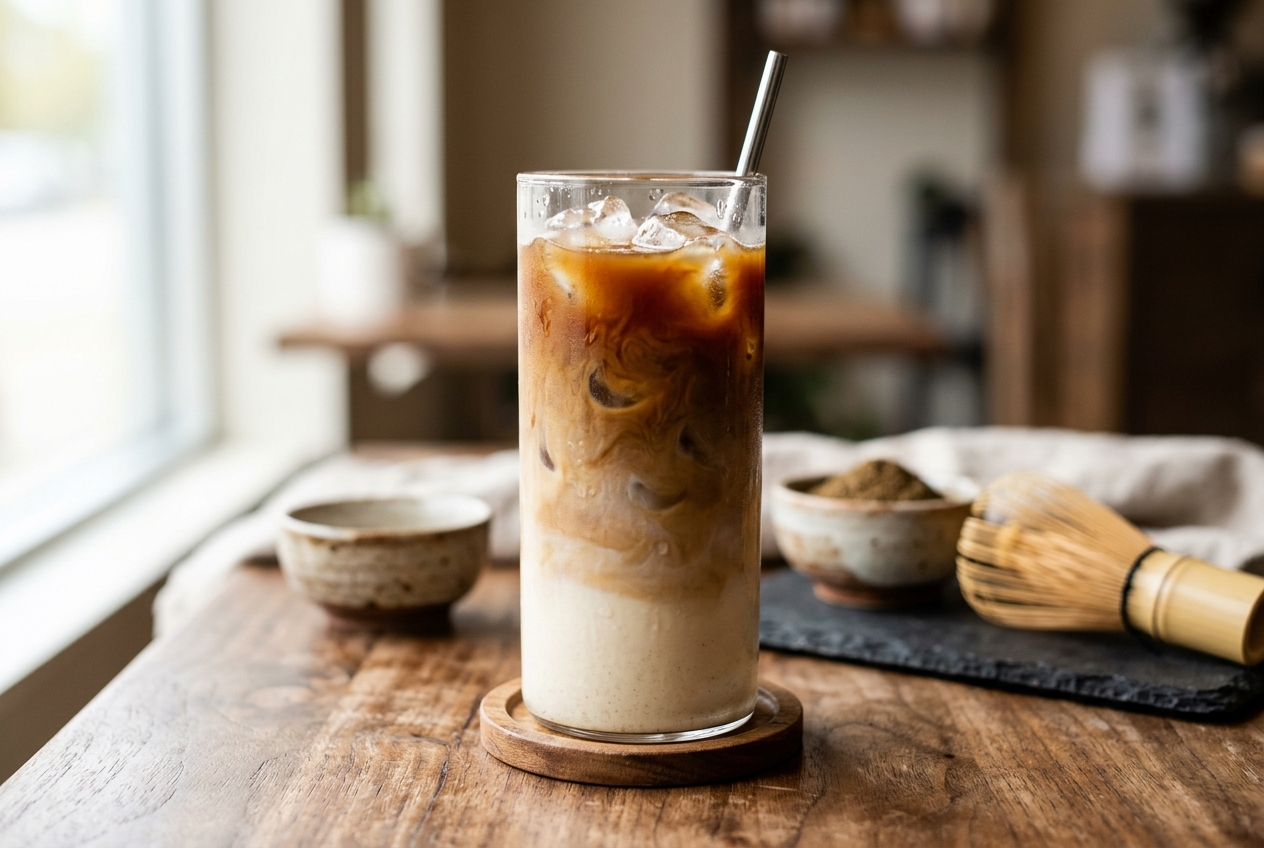
- Layered Iced Hojicha Latte: Carefully pouring whisked hojicha concentrate over cold milk and ice produces a striking visual contrast—a pale milk foundation beneath an amber-brown tea layer. This two-toned presentation photographs well and has gained visible traction across social media platforms, as noted in our review of trending foods on social media feeds.
- Steamed Hot Hojicha Latte: Steaming textured milk with dissolved hojicha powder yields a smooth, warming cup with a delicate foam cap and toasty aromatics.
- Espresso-Hojicha Combinations: Some urban specialty cafés feature "dirty hojicha lattes," adding a shot of espresso to a hojicha latte to combine coffee's roasted depth with the earthy notes of Japanese tea.
- Subtle Sweetener Accents: Lightly accenting hojicha with traditional Okinawa black sugar syrup (kuromitsu), brown sugar, or maple enhances its natural caramel undertones.
Hojicha Moving Beyond Tea: Pastry, Bakery & Frozen Desserts
Beyond the beverage counter, pastry chefs and dessert makers are finding that finely milled roasted green tea powder offers valuable culinary versatility. Because its flavor notes share characteristics with browned butter, roasted nuts, and cocoa, hojicha integrates into both bakery and frozen dessert recipes:
- Hojicha Burnt Basque Cheesecake: The deeply caramelized exterior of Basque cheesecake complements the roasted notes of hojicha infused into the creamy cheese custard, balancing sweetness with gentle toasty complexity.
- Artisan Gelato & Soft-Serve: Contemporary dessert parlors are featuring hojicha soft-serve, offering a roasty, earthy frozen dessert that pairs well with waffle cones, boba, and roasted soybean flour (kinako).
- Bakery Pastries & Cookies: Bakeries are incorporating hojicha powder into madeleines, financiers, shortbreads, and croissant doughs for subtle roasted color and flavor.
- Chocolate Confections: Chocolatiers pair roasted green tea powder with white chocolate, using the tea's earthy finish to temper the sweetness of cocoa butter.
- Savory Culinary Contexts: In traditional Japanese dining, whole-leaf hojicha has long served as the comforting broth base for ochazuke (tea poured over rice and savory toppings), demonstrating its adaptability beyond sweet foods.
Evaluating Specialty Beverage Margins on Your Menu?
Introducing specialty craft drinks like hojicha lattes allows café operators to expand non-coffee options while testing beverage price elasticities. Model your ingredient costs, dairy alternatives, target margins, and gross contribution using FoodColumn's interactive menu pricing tool.
Why Cafés and Food Businesses Are Watching Hojicha Closely
For independent coffee shops, bakery cafés, and beverage brand developers, hojicha presents several practical commercial opportunities:
- Specialty Menu Positioning: In specialty cafés, hojicha drinks are generally positioned alongside premium matcha and craft tea lattes. Sourcing costs vary depending on whether operators select single-origin Kyoto (Uji) powder or blended culinary grades, but the format allows businesses to offer an elevated craft tea experience without introducing complex preparation steps.
- Expanding the Afternoon Daypart: Coffee shops often experience traffic declines after 2:00 PM as guests seek to limit caffeine intake. Featuring hojicha options during afternoon hours provides an appealing alternative for guests seeking a warming café beverage without high caffeine.
- Operational Compatibility: Preparing powdered hojicha lattes integrates smoothly into existing café workflows. Baristas can prepare the drink using standard espresso bar equipment—such as steam wands, milk pitchers, and bamboo whisks or electric frothers—minimizing the need for specialized machinery.
- Seasonal Menu Adaptability: As examined in FoodColumn's guide to how restaurant menus adapt through seasonal LTOs, hojicha's comforting profile makes it a natural candidate for autumn and winter feature menus, while iced versions perform well during warmer months.
Hojicha vs Other Emerging Beverage Trends
The specialty beverage counter continues to diversify. How does hojicha compare against other familiar options?
- Hojicha vs. Matcha: Rather than direct competitors, the two teas function as natural partners on a beverage menu. Matcha offers morning focus and vibrant green aesthetics, while hojicha provides an afternoon or evening option characterized by comforting roasted notes.
- Hojicha vs. Chai: Both teas deliver warming comfort, but chai relies on bold spices (cinnamon, cardamom, ginger, cloves) and often significant sweetness. Hojicha derives its depth directly from the roasted tea leaf itself, appealing to guests who prefer a cleaner, less spiced flavor profile.
- Hojicha vs. Specialty Coffee: Many coffee drinkers looking to reduce caffeine or avoid the acidity of dark roasts find hojicha to be an appealing alternative. Its toasted, caramelized notes provide a satisfying depth reminiscent of roasted coffee beans, but with a milder profile and significantly lower caffeine content.
Is Hojicha a Passing Trend or a Long-Term Opportunity?
A balanced market view requires recognizing both growth indicators and current adoption boundaries:
- Consumer Familiarity: While hojicha has strong recognition in Japan and growing visibility in major global food capitals, general consumer awareness in smaller regional markets remains modest. Clear menu descriptions highlighting its roasted, nutty notes help bridge this knowledge gap.
- Ingredient Sourcing & Quality: Quality can vary significantly between micro-milled specialty powders and coarse commercial blends. Operators seeking consistent latte texture must source dependable, finely milled powder from reputable Japanese tea suppliers in regions such as Kyoto (Uji), Kagoshima, or Shizuoka.
Overall, hojicha exhibits an adoption pattern similar to the early growth stages of matcha, moving gradually from specialized tearooms into independent specialty cafés as consumers discover its pleasant flavor and versatile applications.
What's Next for Hojicha?
Over the coming years, industry observers anticipate steady developments in several product formats:
- Ready-to-Drink (RTD) Formats: Bottled and canned ready-to-drink hojicha beverages are steadily expanding in Asian specialty grocers and select urban retail markets, offering convenient access to unsweetened and lightly sweetened roasted teas.
- Café Menu Integration: Regional coffee chains and bakery cafés are increasingly testing seasonal hojicha drinks as consumer interest in specialty tea expands.
- Packaged Retail Goods: Consumer packaged goods brands are exploring hojicha as an ingredient in baking mixes, artisan confectionery, and loose-leaf tea collections for home consumption.
Conclusion: A Nuanced Japanese Tea Finding Its Place
Hojicha does not need to replace matcha to succeed. By offering a warm, nutty flavor profile with reduced bitterness and lower caffeine in traditional preparations, it meets a genuine consumer interest in comforting, mindful beverage options.
Whether served as an iced oat milk latte, enjoyed as a seasonal pastry, or brewed simply in a teapot at home, hojicha demonstrates that Japanese tea culture holds rich culinary possibilities beyond matcha. For café owners and curious beverage enthusiasts alike, the growing presence of Japanese roasted green tea offers a compelling look at the future of craft drink menus.
Looking for more culinary insights? Explore FoodColumn's dedicated Food Trend Research Hub, inspect our latest Trending Foods Directory, or review emerging beverage insights across the global food industry.
The Food World, Delivered.
Discover what's cooking around the world. Get the latest food trends, restaurant industry insights, emerging food technologies, and fascinating food statistics delivered straight to your inbox.
Free newsletter. Useful insights. No spam. Unsubscribe anytime.
Frequently Asked Questions
What is hojicha?
Hojicha is a traditional Japanese green tea made by roasting steamed green tea leaves, stems, or stalks over high heat (typically around 200°C). The roasting process transforms the leaves from green to reddish-brown, creating a nutty, toasty aroma with lower perceptible bitterness than unroasted green teas.
How is hojicha different from matcha?
While matcha is made from unroasted, shade-grown green tea leaves stone-ground into a vibrant green powder with grassy, vegetal umami notes and higher caffeine, hojicha is high-heat roasted. Roasting turns hojicha amber-brown and produces warm, toasted grain and nutty flavors rather than grassy astringency.
Does hojicha contain caffeine?
Yes, but typically in lower amounts than matcha or unroasted green teas. Hojicha is traditionally made from mature bancha leaves and stems (kukicha), which naturally contain less caffeine than young spring buds. Actual caffeine levels vary depending on leaf-to-stem ratio, harvest time, serving size, and whether it is brewed as loose leaves or consumed as whole powder.
What does a hojicha latte taste like?
A hojicha latte tastes warm, nutty, and comforting, with flavor notes often compared to toasted grains, roasted barley, hazelnuts, and subtle caramel or roasted cocoa. When combined with milk or oat milk, it produces a smooth, balanced beverage without sharp acidity.
Why are cafés and coffee shops adding hojicha to their menus?
Cafés are exploring hojicha to diversify their specialty tea menus, offer an appealing alternative for guests seeking lower-caffeine options in the afternoon, and provide a distinctive craft beverage that integrates smoothly with existing espresso bar equipment.
Can hojicha powder be used for baking and culinary desserts?
Yes. Finely ground hojicha powder is widely utilized in baking and pastry kitchens. Its roasted flavor complements fats and dairy, making it a popular ingredient in burnt Basque cheesecakes, gelato, soft-serve ice cream, cookies, and chocolate confections.
Could hojicha become the next matcha trend?
While hojicha is unlikely to completely replace matcha's global scale, it is steadily gaining visibility as a complementary Japanese specialty tea. Its approachable, toasty profile and flexible daypart appeal give it strong long-term potential as an enduring café staple.
- Japan Tea Central Public Relations Council (Nihoncha) — Traditional Japanese Tea Cultivation & Processing
- MEXT Japan — Standard Tables of Food Composition in Japan (Green Tea & Roasted Tea Analysis)
- Technomic — Global Beverage Trends & Specialty Café Flavor Monitor
- Mintel — Coffee, Tea & Herbal Beverages Consumer Insights