Why High-Protein Foods Are Taking Over Restaurant Menus
A deep dive into why high-protein dining has transitioned from a gym fitness subculture into the primary menu driver across fast casual dining.

Consumer demand for high-protein dining has transitioned from a niche fitness trend into a mainstream driver of menu innovation across quick-service, fast-casual, and full-service dining concepts.
1. What the High-Protein Dining Trend Is
The high-protein menu movement focuses on featuring lean meats, egg whites, Greek yogurt, cottage cheese, legumes, and protein-fortified grains as central elements of everyday restaurant meals. Rather than marketing these items exclusively to bodybuilders or extreme endurance athletes, modern operators format high-protein options as clean, sustaining energy sources for daily wellness. Restaurants are moving past basic grilled chicken salads to present sophisticated macro-balanced meals where protein density is highlighted alongside rich culinary flavor.
2. Why Consumers Are Actively Interested
Widespread adoption of GLP-1 weight-loss medications, satiety-focused nutrition awareness, and active lifestyles have made protein content one of the most frequently evaluated metrics on restaurant menus. Diners actively seek out meal options that offer 30 to 50 grams of protein per serving to maintain muscle mass, prolong satiety, and eliminate midday energy crashes. Furthermore, consumers perceive protein-dense meals as offering superior value per dollar, believing that higher protein content delivers longer-lasting fullness compared to simple carbohydrate-heavy alternatives.
3. Key Factors Driving Ongoing Growth
Several macroeconomic, demographic, and technological factors accelerate this trend:
- Functional Nutrition Awareness: Digital macro-tracking mobile apps enable millions of everyday consumers to quantify their daily protein targets accurately.
- GLP-1 Medication Adoption: Patients prescribed weight management therapies require nutrient-dense meals with high protein concentrations to preserve lean muscle tissue while consuming smaller total food volumes.
- Satiety-Driven Value Perception: Diners view high-protein meal options as offering superior financial value due to extended digestive satiety and sustained physical stamina throughout busy workdays.
- Mainstream Fitness Culture: Everyday wellness enthusiasts prioritize strength training and daily protein intake over restrictive low-calorie diets.
4. Restaurant & Menu Operational Impact
Restaurants are re-architecting bowl concepts, wraps, and entree platters to highlight exact protein metrics directly on digital menu boards and online ordering portals. Fast-casual concepts are leading this movement by offering customizable double-protein add-ons, bone broth rice bases, and cottage-cheese-infused dressings. Kitchens must adapt by streamlining prep for high-turnover proteins, ensuring consistent portion sizing, and training line staff to fulfill high-volume customization requests without creating line bottlenecks.
5. Popular Ingredients & Culinary Formats
Culinary teams are leveraging versatile, cost-effective ingredients to achieve high protein density without inflating food costs beyond acceptable margins:
- Whipped Cottage Cheese & Greek Yogurt: Used as creamy, low-fat bases for dips, dressings, sauces, and breakfast bowls.
- Edamame & Chickpea Flour Wraps: Providing plant-based structural protein for handheld lunch offerings.
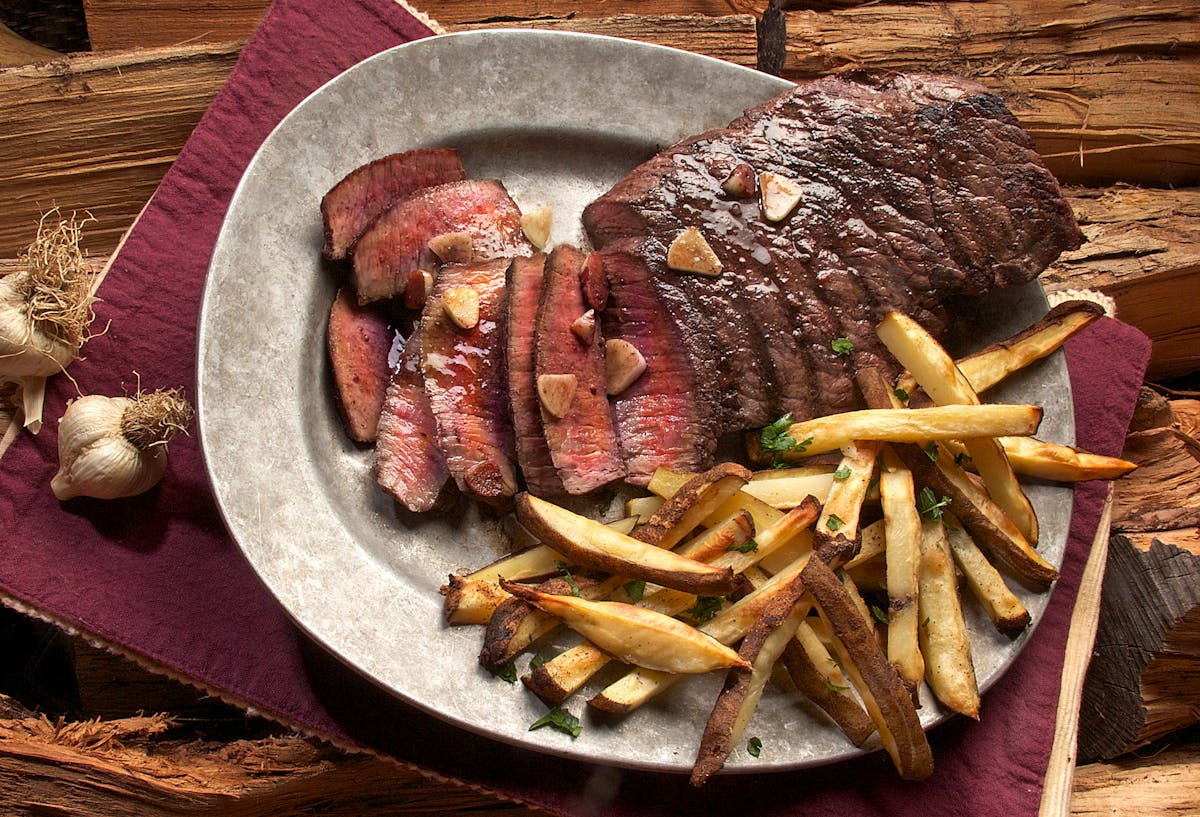
- Braised Lean Proteins: Chicken breast, flank steak, turkey carnitas, braised pork tenderloin, and grilled salmon formatted into customizable meal bowls.
- Ancient Grains & Pulse Blends: Quinoa, wild rice, farro, and lentil bases that contribute 8 to 12 grams of protein per serving before adding primary meat toppings.
6. Consumer Behavior & Dining Patterns
Diners frequently filter third-party delivery apps by "High Protein" tag categories when seeking quick lunch solutions. Lunchtime office workers prioritize protein-heavy power bowls over heavy carb options to prevent post-lunch fatigue, driving higher average checks for restaurants offering explicit macro transparency. Additionally, evening post-workout diners look for late-night menus featuring clean protein shakes or grilled skewers over deep-fried bar appetizers.
7. Social Media & Influencer Marketing Impact
Short-form videos showcasing "What I Eat in a Day for 150g Protein" have amassed billions of views across social media platforms. User-generated content spotlighting high-protein fast-casual hacks creates instant viral spikes for participating restaurant brands. Restaurant operators who clearly publish macronutrient breakdowns online benefit from organic influencer endorsements, as health creators regularly highlight compliant menu choices to their dedicated follower bases.
8. Business & Profitability Implications for Operators
Premium protein customization options yield exceptionally high margin contributions for restaurant operations. Offering a $3.50 "Double Protein Boost" incurs minimal kitchen assembly labor while significantly lifting ticket averages and customer loyalty. When managed carefully through exact portioning tools and portion-controlled prep bags, protein upsells can improve gross margin percentages while reinforcing the restaurant's reputation for satisfying portions.
Supply Chain & Sourcing Considerations for Protein Menus
Securing high-quality protein inventory at stable wholesale prices requires long-term supplier contracts and flexible menu formatting. Multi-unit restaurant operators are increasingly partnering directly with regional poultry and dairy co-ops to hedge against market price spikes. By utilizing versatile cut options such as boneless thigh meat, turkey carnitas, and cultured dairy bases, kitchens maintain consistent plate presentation while protecting gross margins during volatile commodity cycles.
Menu Engineering & Visual Hierarchy
Effective digital and print menu layout plays a crucial role in converting customer interest into high-margin sales. Placing high-protein badges, macro callouts, and clean protein add-on prompts at eye-level on menu boards increases item selection by up to 22%. Furthermore, structuring digital ordering flows so that 'Add Extra Protein' is the first interactive modifier step drives significant ticket lift across online ordering channels.
9. What to Watch Next in High-Protein Dining
Expect expanded protein fortification in beverages, including cold brew coffee blended with whey isolate, savory high-protein bone broths in QSR breakfast menus, and fermented dairy dressings across casual dining chains. As consumer demand matures, operators will increasingly introduce tailored macro options, allowing guests to select specific protein-to-carb ratios directly via self-service ordering kiosks.
10. Related FoodColumn Editorial & Research
For deeper analysis into menu transformation and consumer protein strategies, explore our full coverage in The Rise of High-Protein Foods, examine fast-casual operational models in High-Protein Fast-Casual Concepts, compare broader menu evolution in Food Trends Shaping 2026, and review operator market trends in our Restaurant Industry Outlook 2026.
Frequently Asked Questions
Why is high protein becoming standard on restaurant menus?
Growing health consciousness, GLP-1 medication adoption, and satiety awareness drive consumers to seek meals with explicit protein disclosures and high macro density.
Which ingredients offer the best high-protein menu margins?
Cottage cheese, Greek yogurt bases, edamame, legumes, egg whites, and ancient grain blends deliver excellent protein density at manageable food cost ratios.
How should operators feature high protein on digital menus?
Include clear gram disclosures (e.g., '42g Protein') directly on menu items, create a dedicated 'Protein Power' category, and offer simple add-on prompts during checkout.
Does high-protein dining appeal to non-athletes?
Yes. Everyday consumers choose high-protein meals for weight management, steady energy, and long-lasting fullness throughout busy workdays.
How do GLP-1 medications influence high-protein menu demand?
Patients on GLP-1 treatments eat smaller meal portions and require nutrient-dense, protein-rich options to preserve muscle mass and fulfill daily nutritional targets.