Snackification of Dining: Small Plates and All-Day Mini Meals
Traditional three-meal dining patterns are giving way to mid-afternoon snack orders, sliders, skewered proteins, and shareable small plates.
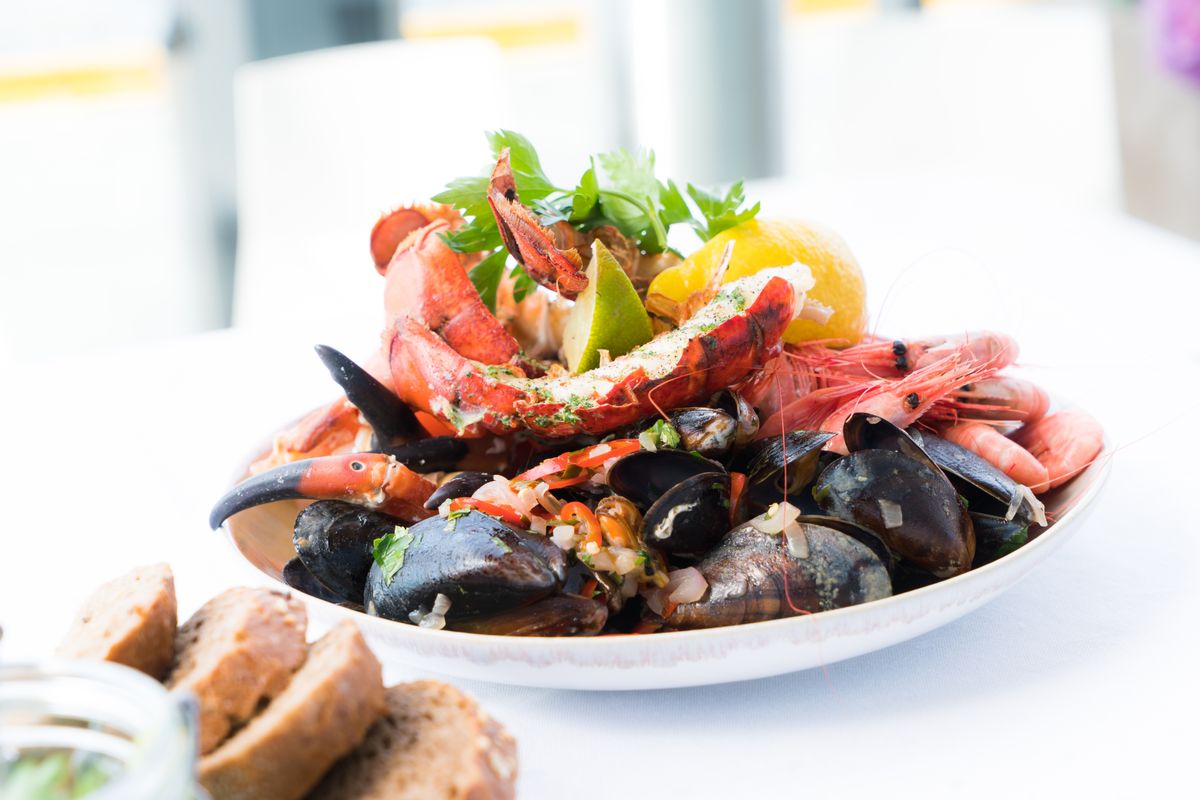
The blurring lines between traditional meal times have fueled the rapid "snackification" of dining, prompting operators to offer craveable small plates, mini meals, and flexible all-day menus.
1. Understanding the Snackification Shift
Fixed three-meal-a-day dining schedules are giving way to continuous, flexible eating patterns. Driven by hybrid work environments, busy lifestyles, and budget-conscious dining, consumers increasingly replace full heavy entrees with two or three nutrient-dense mini meals throughout the day. This shift turns non-peak hours into profitable dining occasions for adaptive operators.
2. Why Consumers Prefer Mini Meals & Small Plates
Mini meals allow diners to customize portions, manage total spend, and experience greater culinary variety in a single sitting. Ordering multiple small plates encourages sharing and social interaction without committing to a single heavy entree. Guests appreciate the freedom to mix and match global flavors across smaller portions.
3. Key Catalysts Driving All-Day Snacking
Major lifestyle, economic, and demographic factors accelerating this movement include:
- Flexible Schedule Demands: Remote work and non-traditional shifts create off-peak hunger windows between 2:00 PM and 4:30 PM.
- Value & Spend Control: Lower price points per item make mini meals financially accessible for budget-conscious consumers.
- Satiety & Portion Management: High-protein mini bowls satisfy appetite without triggering post-meal sluggishness during work hours.
- Variety Seeking: Guests enjoy sampling three distinct small items rather than consuming a single large entree.
4. Restaurant Menu & Kitchen Strategy
Operators are re-engineering menus to feature robust "Small Bites," "Sliders & Wraps," and "Protein Bites" sections available all day. Reformatting core entree items into smaller 4-ounce portions allows kitchens to utilize existing prep lines while capturing off-peak traffic without adding complex inventory SKUs.
5. Top Performing Mini Meal Formats
High-demand snackification formats winning consumer orders include:
- Mini Protein Bowls: 4oz grain and chicken bowls priced for quick off-peak snacking and sustained energy.
- Artisan Sliders & Bao Buns: Handheld bites featuring global glazes, crispy proteins, and pickled garnishes.
- Savory Skewers & Dips: Grilled chicken or halloumi skewers paired with house tzatziki or harissa aioli.
- Portable Snack Boxes: Pre-portioned nuts, artisanal cheeses, boiled eggs, and fruit for grab-and-go convenience.
6. Consumer Purchasing Behavior & Spend Patterns
Data indicates that off-peak snack orders frequently generate higher overall gross margins than traditional dinner entrees. Guests ordering two small plates plus a functional beverage often generate higher total checks than single-entree diners, driving strong store profitability.
7. Social Media & Visual Sampling Culture
Plates filled with colorful, diverse small bites offer exceptional visual appeal. Social media creators frequently highlight "Snack Board Hacks" and multi-dish samplers, driving digital interest and foot traffic to participating restaurants.
8. Operational Throughput & Line Efficiency
Mini meals feature rapid ticket assembly times, allowing quick-service kitchens to maintain high line speed during mid-afternoon volume surges while keeping labor costs controlled.
Packaging & Portability Engineering
Designing custom, eco-friendly handheld packaging is vital for successful mini meal and snack programs. Compartmentalized snack boxes, sturdy slider trays, and spill-resistant dip containers ensure that small bites remain visually appealing and easy to consume on-the-go. Thoughtful packaging design enhances guest convenience while reinforcing premium brand identity during off-premise snacking occasions.
Daypart Pricing & Promotional Combos
Structuring targeted mid-afternoon promotional bundles—such as a '2:00 PM Snack Special' featuring a mini protein bowl paired with a functional iced tea for $8.99—drives traffic during traditionally quiet kitchen windows. These daypart specials convert idle staff labor into active revenue generation while establishing the restaurant as a daily snacking destination.
9. What to Watch Next in All-Day Snacking
Expect dedicated mid-day QSR snack menus, automated grab-and-go snack lockers, and elevated savory snack pairings in craft beverage taprooms over upcoming seasons.
Cross-Daypart Snack Bundling & Beverage Pairings
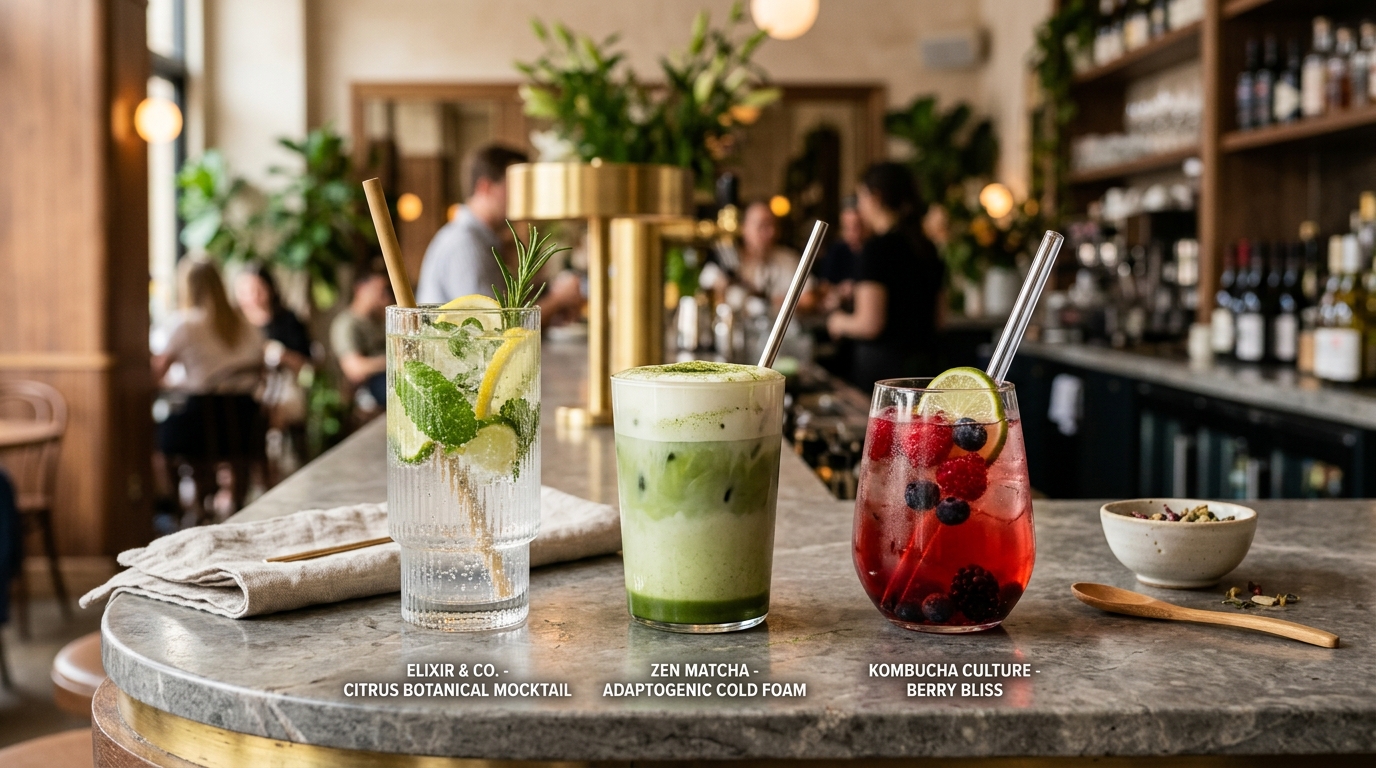
Maximizing off-peak snack sales relies heavily on strategic beverage pairing. Operators bundle mini meals with high-margin drinks—such as pairing a mini chicken skewer bowl with a sparkling prebiotic lemonade or botanical iced tea for a single bundled price. Promoting these 'Bite & Beverage' combos during mid-afternoon hours (2:00 PM to 4:30 PM) lifts average check totals and optimizes kitchen labor during quiet daypart windows.
Menu Board Placement & Visual Snack Categories
Visual menu hierarchy plays a crucial role in converting casual visitors into snack buyers. Structuring self-service kiosk displays and printed menu boards with dedicated 'Midday Mini Meals' or 'Small Plate Pairings' headers prevents small items from getting lost under traditional dinner entree headings. Highlighting vibrant food photography of multi-item snack platters encourages guests to sample two or three small items per order.
Optimizing Speed of Service for Off-Peak Snacking
Capturing mid-afternoon snack sales requires kitchen prep speed under 3 minutes per order. Pre-portioning mini protein bowl bases, skewer portions, and dipping sauces during morning prep shifts allows line cooks to assemble and package snack orders rapidly without delaying main kitchen prep workflows.
10. Related FoodColumn Insights
Explore protein trends in The Rise of High-Protein Foods, check menu restructuring in How Restaurant Menus Are Changing, examine social media trends in Trending Foods on Menus and Social Media, and review market stats in Restaurant Industry Statistics 2026.
Frequently Asked Questions
What does 'snackification' mean in the food industry?
Snackification refers to consumers replacing traditional structured three-course meals with smaller, flexible, nutrient-dense mini meals throughout the day.
How can restaurants capture mid-afternoon off-peak sales?
By offering dedicated snack menus, mini protein bowls, and special beverage-and-bite combos between 2:00 PM and 4:30 PM.
Are mini meals profitable for restaurant operators?
Yes. Small plates use smaller protein portions, prep rapidly, and yield strong profit margins while encouraging multi-item orders.
Which menu items work best for snackification?
Mini grain bowls, chicken skewers, sliders, stuffed bao, and pre-packaged protein snack boxes deliver top sales performance.
How does snackification affect off-peak labor costs?
Mini meals assemble quickly from existing line ingredients, allowing existing staff to handle off-peak snack orders without adding labor hours.